

The Mystery Of Kansas’s Vanishing Tallgrass Prairies
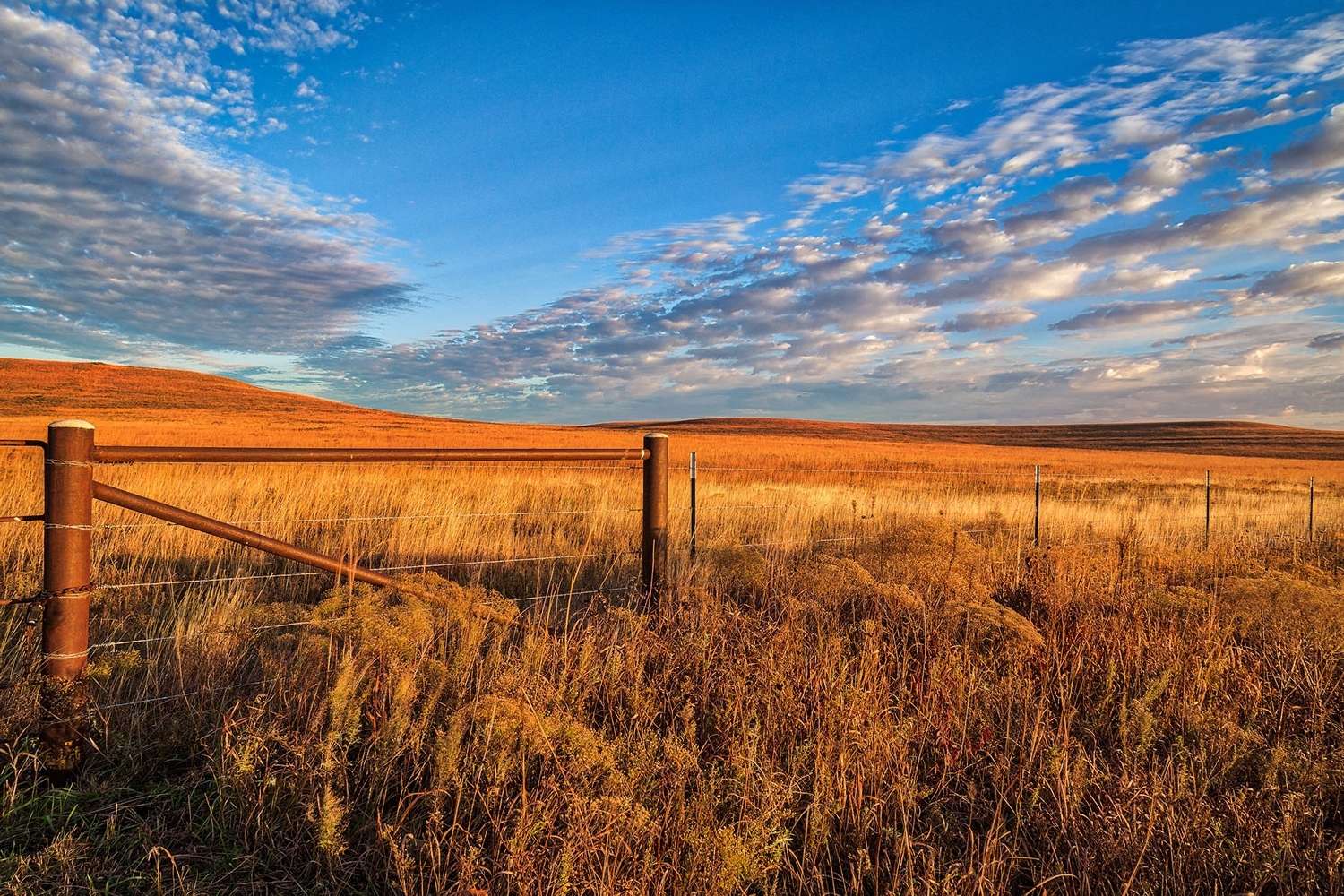
Have you ever wondered why Kansas's tallgrass prairies are disappearing? These vast landscapes once covered millions of acres, providing a home for countless plants and animals. Today, only a fraction remains. The reasons behind this decline are complex but fascinating. Urban development, agriculture, and climate change all play significant roles. As cities expand, more land gets converted into buildings and roads. Farming practices also contribute by transforming prairies into crop fields. Climate change adds another layer of challenges, altering weather patterns and affecting plant growth. Understanding these factors helps us appreciate the delicate balance of nature and the importance of preserving these unique ecosystems.
The Enigma of Kansas's Tallgrass Prairies
Kansas, known for its vast landscapes and endless skies, once boasted sprawling tallgrass prairies. These prairies, rich with biodiversity, have dwindled over time. Let's explore some key locations where you can still witness the remnants of these majestic grasslands.
Flint Hills
The Flint Hills region stands as a testament to the enduring beauty of the tallgrass prairies. This area offers a glimpse into what once covered much of the Midwest.
Tallgrass Prairie National Preserve
Located in the heart of the Flint Hills, this preserve spans over 10,000 acres. Visitors can hike through trails, spot bison, and learn about prairie ecosystems.Konza Prairie Biological Station
Managed by Kansas State University, Konza Prairie is a research site and nature reserve. It features hiking trails that showcase the diverse flora and fauna of the tallgrass prairie.
Smoky Hills
The Smoky Hills region, with its rolling terrain and unique rock formations, also harbors patches of tallgrass prairie. This area provides a different perspective on Kansas's natural heritage.
Wilson Lake
Known for its scenic beauty, Wilson Lake is surrounded by tallgrass prairie. The lake offers recreational activities like hiking, fishing, and bird watching.Kanopolis State Park
This state park features a mix of prairie and rugged terrain. Visitors can explore trails, enjoy water activities, and camp under the stars.
Red Hills
The Red Hills, characterized by their striking red soil and gypsum formations, offer another haven for tallgrass prairie enthusiasts. This region's unique landscape adds to the allure of the prairies.
Big Basin Prairie Preserve
Home to a natural sinkhole and a bison herd, Big Basin Prairie Preserve provides a unique prairie experience. The preserve's trails offer stunning views of the landscape.Clark State Fishing Lake and Wildlife Area
This area combines prairie and water habitats, making it a great spot for wildlife observation. Fishing, hiking, and camping are popular activities here.
Glaciated Region
The Glaciated Region of Kansas, shaped by ancient glaciers, also contains remnants of tallgrass prairie. This area offers a mix of prairie and woodland environments.
Pillsbury Crossing Wildlife Area
Known for its picturesque waterfall, Pillsbury Crossing also features prairie landscapes. It's a great spot for picnicking, hiking, and wildlife photography.Tuttle Creek State Park
This state park offers a variety of outdoor activities, including hiking, boating, and camping. The park's trails wind through prairie and forested areas.
Osage Cuestas
The Osage Cuestas region, with its rolling hills and limestone outcrops, provides another glimpse into Kansas's prairie past. This area is perfect for those seeking a quieter, more secluded prairie experience.
Cross Timbers State Park
Nestled in the Osage Cuestas, this park offers a mix of prairie and woodland. Visitors can enjoy hiking, fishing, and camping in a serene setting.Elk City State Park
This park features diverse landscapes, including tallgrass prairie. It's a great spot for hiking, bird watching, and enjoying the natural beauty of Kansas.
Kansas's tallgrass prairies may be vanishing, but these locations offer a chance to experience their enduring beauty. Whether you're hiking through the Flint Hills or exploring the Red Hills, the prairies of Kansas continue to captivate and inspire.
Preserving Kansas's Tallgrass Prairies
Kansas's tallgrass prairies are more than just scenic landscapes. They are vital ecosystems supporting diverse wildlife and plant species. Unfortunately, these prairies are disappearing due to urban development and agricultural expansion. Protecting these areas is crucial for maintaining biodiversity and ecological balance.
Visiting these prairies offers a unique experience to connect with nature and understand the importance of conservation. Efforts to preserve these lands include promoting sustainable practices and raising awareness about their significance. By supporting local conservation initiatives, you can help ensure these prairies remain for future generations.
Next time you plan a trip, consider exploring Kansas's tallgrass prairies. Not only will you witness stunning natural beauty, but you'll also contribute to preserving an essential part of our environment. Let's work together to keep these prairies thriving.
