

Hidden History Of Kansas Fort Scott’s Officers Quarters
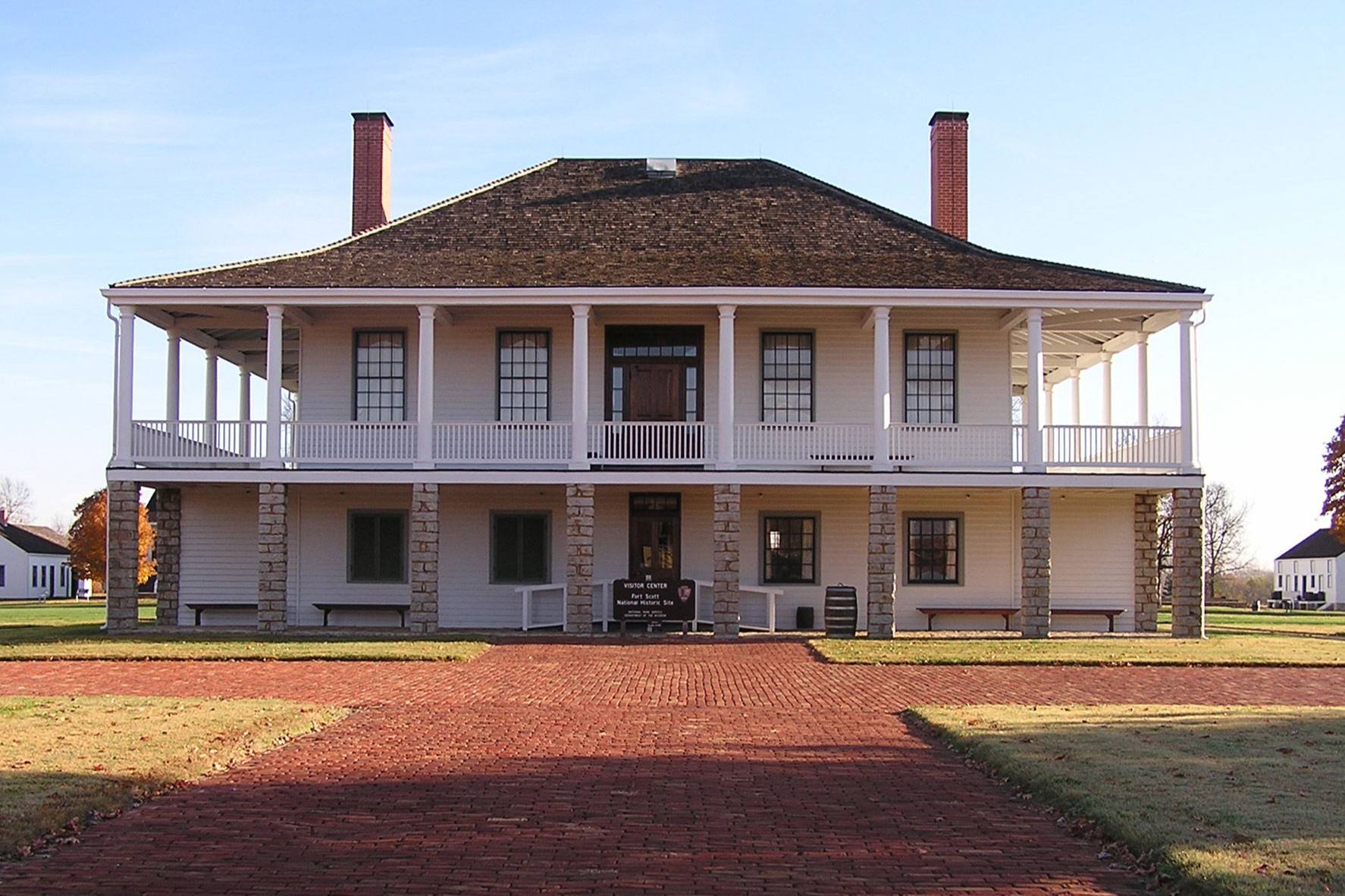
Have you ever wondered about the hidden history of Fort Scott's Officers Quarters in Kansas? This historic site offers a glimpse into the past, revealing stories of military life and frontier challenges. Built in the 1840s, these quarters housed officers who played crucial roles in westward expansion and the Civil War. Walking through these old buildings, you can almost hear the echoes of soldiers' footsteps and imagine the daily routines of those who lived there. Whether you're a history buff or just curious, exploring Fort Scott's Officers Quarters provides a unique window into a bygone era. Ready to step back in time? Let's dive in!
Discovering Fort Scott's Officers' Quarters
Fort Scott, Kansas, holds a rich tapestry of American history. The officers' quarters, in particular, offer a unique glimpse into the lives of those who served. Let's explore some of these fascinating places.
1. The Post Commander's House
The Post Commander's House stands as a testament to the authority and responsibility held by the fort's leader. This grand residence, with its spacious rooms and elegant design, reflects the importance of the commander's role.
- Historical Significance: This house was the hub of military strategy and decision-making.
- Architectural Style: Features Greek Revival architecture, popular in the mid-19th century.
- Notable Residents: Several prominent commanders, including Captain Thomas Swords, called this place home.
2. The Officer's Duplex
The Officer's Duplex provided living quarters for junior officers and their families. This building highlights the communal living arrangements that were common among military personnel.
- Living Conditions: Each side of the duplex had its own kitchen, parlor, and bedrooms.
- Community Life: Officers and their families often socialized and supported each other.
- Preservation: Today, the duplex is preserved to showcase the daily lives of junior officers.
3. The Infantry Barracks
The Infantry Barracks housed the enlisted men who served under the officers. While not as luxurious as the officers' quarters, these barracks were essential for the fort's operations.
- Construction: Built with sturdy limestone, ensuring durability.
- Daily Life: Soldiers slept in bunks and shared common areas for meals and recreation.
- Historical Events: The barracks witnessed many key events, including troop movements and training exercises.
4. The Sutler's Store
The Sutler's Store was a vital part of fort life, providing goods and supplies to officers and soldiers alike. This store was more than just a place to buy necessities; it was a social hub.
- Goods Available: Items ranged from food and clothing to luxury goods.
- Social Hub: Officers and soldiers gathered here to exchange news and stories.
- Economic Impact: The store played a crucial role in the fort's economy.
5. The Hospital
The Hospital at Fort Scott was a critical facility, providing medical care to officers, soldiers, and their families. This building highlights the challenges of 19th-century medicine.
- Medical Practices: Treatments included rudimentary surgeries and herbal remedies.
- Health Challenges: Common ailments included infections, injuries, and diseases.
- Historical Role: The hospital played a key role during epidemics and battles.
6. The Guardhouse
The Guardhouse served as the fort's jail and a place for maintaining discipline. This building underscores the importance of order and security within the fort.
- Function: Used for detaining unruly soldiers and prisoners of war.
- Structure: Built with thick walls and small windows to prevent escapes.
- Discipline: The guardhouse was a reminder of the strict military discipline enforced at the fort.
7. The Parade Ground
The Parade Ground was the heart of Fort Scott, where officers and soldiers gathered for drills, ceremonies, and social events. This open space was crucial for maintaining military readiness and morale.
- Drills and Ceremonies: Regular drills kept soldiers in top form, while ceremonies honored achievements.
- Social Events: The parade ground hosted dances, picnics, and other gatherings.
- Symbolic Importance: It symbolized the unity and strength of the fort's community.
8. The Chapel
The Chapel provided a place for spiritual reflection and community gatherings. This building highlights the role of faith and morale in military life.
- Religious Services: Regular services were held for officers, soldiers, and their families.
- Community Gatherings: The chapel also hosted weddings, funerals, and other significant events.
- Architectural Design: Simple yet elegant, reflecting the fort's practical yet respectful approach to faith.
Fort Scott's officers' quarters offer a fascinating glimpse into the past, revealing the daily lives, challenges, and triumphs of those who served. Each building tells a story, contributing to the rich history of this remarkable fort.
Reflecting on Fort Scott's Officers Quarters
Fort Scott's Officers Quarters offer a unique glimpse into Kansas history. These buildings, once home to military leaders, now stand as a testament to the past. Walking through these quarters, you can almost hear the echoes of conversations and feel the weight of decisions made within those walls. The architecture and artifacts provide a tangible connection to the 19th century, making history come alive. Visiting Fort Scott isn't just about seeing old buildings; it's about experiencing a piece of American heritage. Whether you're a history buff or just curious, the Officers Quarters at Fort Scott are worth exploring. They remind us of the sacrifices and stories that shaped our nation. So next time you're in Kansas, take a step back in time and visit Fort Scott. You won't regret it.
