Iowa State University’s Secret Pollinator Research Stations
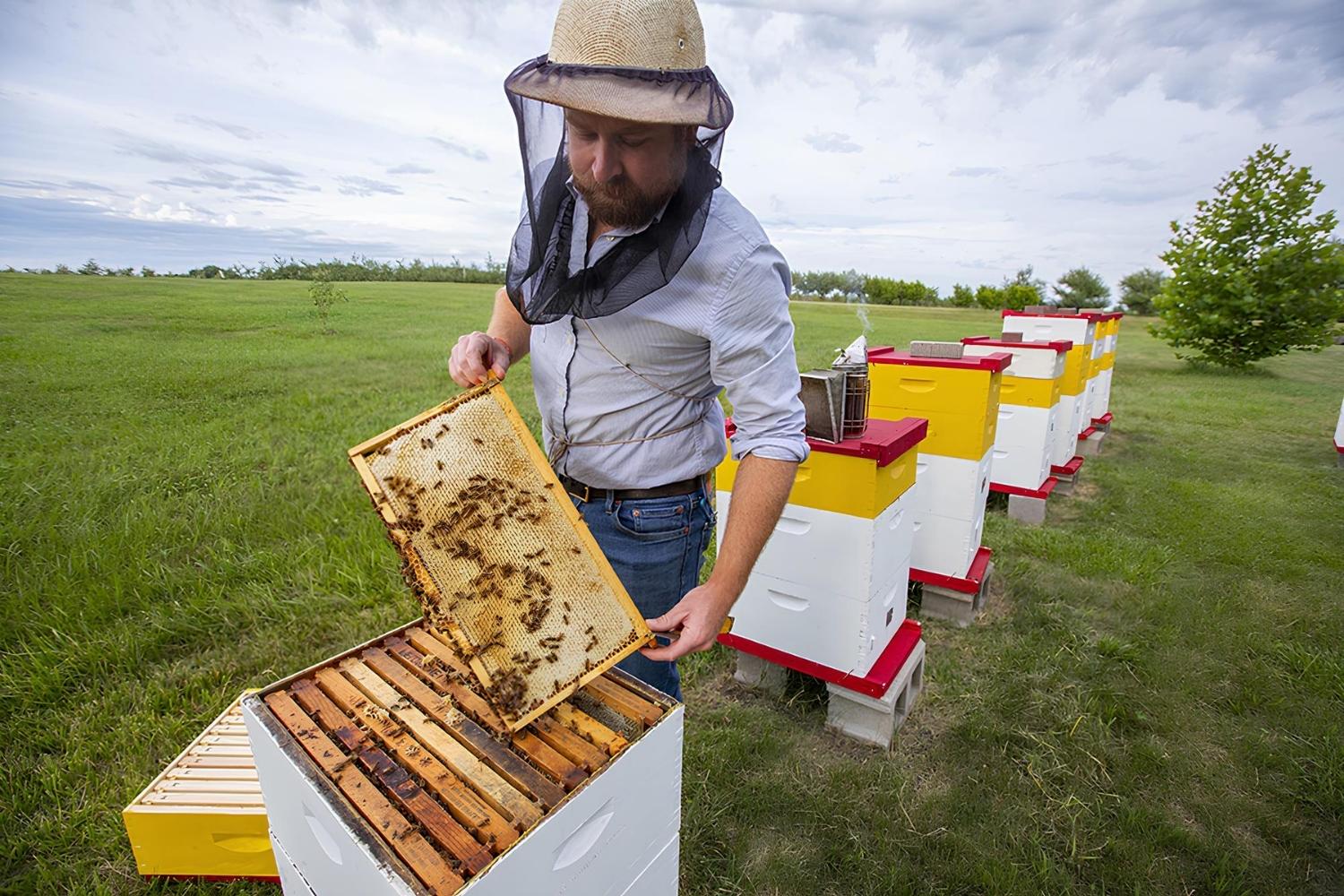
Have you ever wondered about the hidden gems on university campuses? Iowa State University has a secret worth buzzing about—its pollinator research stations. These stations are not just for scientists; they offer a unique glimpse into the world of bees, butterflies, and other pollinators. Located across the campus, these areas are designed to study and support pollinator health. They provide a sanctuary for these vital creatures, helping researchers understand their behaviors and challenges. Next time you visit, take a moment to explore these fascinating spots. You might just see the campus in a whole new light!
Discovering Iowa State University's Secret Pollinator Research Stations
Iowa State University (ISU) has hidden gems scattered across its campus and surrounding areas. These secret pollinator research stations are not only crucial for scientific studies but also offer a unique glimpse into the world of bees, butterflies, and other pollinators. Let's uncover these fascinating spots.
1. Reiman Gardens
Reiman Gardens, located on the south side of the ISU campus, is a botanical paradise. This 17-acre garden is home to a variety of plants that attract pollinators.
- Butterfly Wing: A tropical haven where butterflies flutter freely.
- Pollinator-Friendly Plants: Native flowers and plants designed to attract bees and butterflies.
- Educational Programs: Workshops and tours focused on pollinator conservation.
2. Horticulture Research Station
Just a short drive north of Ames, the Horticulture Research Station is a hub for agricultural and environmental research.
- Pollinator Plots: Specially designed areas to study the interaction between plants and pollinators.
- Bee Hives: Managed hives for research on bee behavior and health.
- Field Days: Events where the public can learn about ongoing research and its impact on pollinator populations.
3. ISU Agronomy Farm
The ISU Agronomy Farm, located west of Ames, is another key site for pollinator research. This farm focuses on sustainable agriculture and the role of pollinators in crop production.
- Cover Crops: Fields planted with cover crops that provide habitat for pollinators.
- Wildflower Strips: Borders of wildflowers that attract and support pollinator species.
- Research Projects: Studies on how different farming practices affect pollinator health and diversity.
4. Pollinator Habitat at ISU Research Park
The ISU Research Park, a hub for innovation and technology, also hosts a dedicated pollinator habitat. This area is designed to support a variety of pollinator species.
- Native Plantings: A diverse array of native plants that provide food and shelter for pollinators.
- Educational Signage: Informative signs that explain the importance of pollinators and how the habitat supports them.
- Community Involvement: Opportunities for students and community members to participate in habitat maintenance and monitoring.
5. ISU Extension and Outreach Demonstration Gardens
Located throughout Iowa, these demonstration gardens are part of ISU's Extension and Outreach program. They serve as living laboratories for studying pollinators and educating the public.
- Pollinator Gardens: Designed to showcase plants that attract and support pollinators.
- Workshops and Classes: Educational programs that teach about pollinator conservation and gardening practices.
- Citizen Science Projects: Opportunities for the public to contribute to pollinator research through data collection and observation.
6. BioCentury Research Farm
The BioCentury Research Farm, situated near Boone, Iowa, integrates research on bioenergy, bioproducts, and sustainable agriculture. Pollinators play a crucial role in many of these studies.
- Pollinator Plots: Areas dedicated to studying the impact of bioenergy crops on pollinator populations.
- Integrated Pest Management: Research on how to protect pollinators while managing pests in agricultural systems.
- Collaborative Projects: Partnerships with other institutions to advance pollinator research and conservation efforts.
7. ISU's Campus Pollinator Gardens
Scattered throughout the main campus, these gardens are designed to support pollinators and provide educational opportunities for students and visitors.
- Native Plant Gardens: Areas planted with native species that attract pollinators.
- Student Projects: Opportunities for students to design, plant, and maintain pollinator gardens as part of their coursework.
- Public Tours: Guided tours that highlight the importance of pollinators and the role of these gardens in supporting them.
8. McFarland Park
Located just northeast of Ames, McFarland Park offers a natural setting for pollinator research and observation. Managed by Story County Conservation, this park features diverse habitats that support a variety of pollinator species.
- Prairie Restoration: Efforts to restore native prairie habitats that are crucial for pollinators.
- Wildflower Meadows: Fields of wildflowers that provide food and habitat for bees, butterflies, and other pollinators.
- Educational Programs: Events and programs that teach visitors about the importance of pollinators and how to support them.
Discover Iowa State University's Hidden Gems
Iowa State University's secret pollinator research stations offer a unique glimpse into the world of pollinators. These hidden gems not only contribute to important scientific research but also provide a serene escape for nature lovers. By visiting these stations, you can witness firsthand the vital role pollinators play in our ecosystem. The university's commitment to preserving and studying these creatures highlights the importance of biodiversity and environmental stewardship. Whether you're a student, a researcher, or just someone who appreciates nature, these stations are worth exploring. They serve as a reminder of the delicate balance in our environment and the need to protect it. So next time you're in Iowa, take a detour to Iowa State University and uncover the secrets of their pollinator research stations. You won't be disappointed.