Secrets Of Illinois’s Abandoned Pioneer Stone Cellars
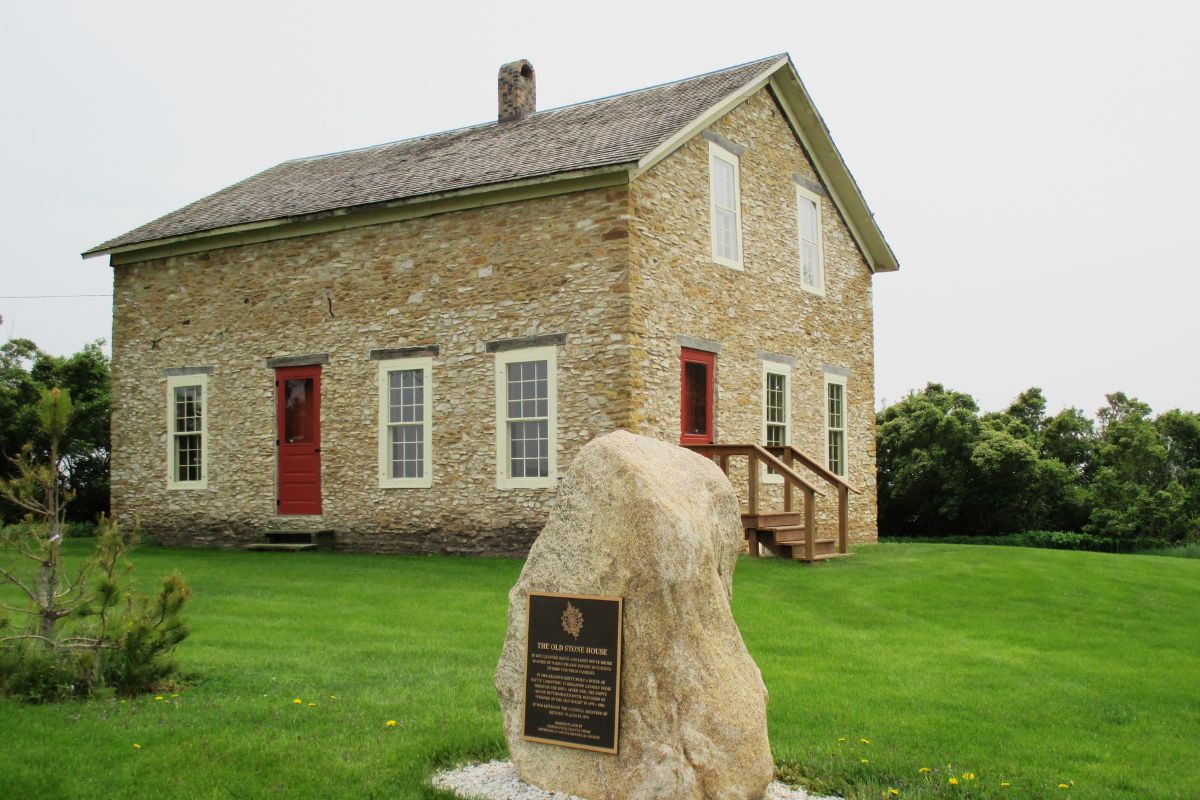
Have you ever wondered about the hidden history of Illinois? Illinois's abandoned pioneer stone cellars hold secrets from the past, waiting to be uncovered. These cellars, built by early settlers, served as storage spaces for food and supplies. Over time, they became forgotten relics, blending into the landscape. Exploring these cellars offers a glimpse into the lives of those who built them. Imagine walking through the woods and stumbling upon one of these stone structures. Each cellar tells a story of hard work, survival, and ingenuity. Ready to learn more about these fascinating pieces of history? Let's dive into the world of Illinois's abandoned pioneer stone cellars.
Hidden Gems of Illinois
Illinois is known for its bustling cities and vast farmlands. However, tucked away in its countryside are abandoned pioneer stone cellars. These hidden gems offer a glimpse into the past, showcasing the craftsmanship and resilience of early settlers. Let's explore some of these fascinating sites.
1. Apple River Fort
Located in Elizabeth, Illinois, Apple River Fort is a reconstructed site of a Black Hawk War battle. While the fort itself is a replica, the surrounding area contains original stone cellars used by pioneers for storage and protection.
- Historical Significance: The fort played a crucial role during the Black Hawk War.
- What to See: Original stone cellars and reconstructed fort.
2. Galena's Hidden Cellars
Galena, a town rich in history, boasts several hidden stone cellars. These cellars, built by early settlers, were used for storing food and supplies.
- Historical Significance: Galena was a major lead mining town in the 19th century.
- What to See: Stone cellars hidden beneath historic buildings.
3. Starved Rock State Park
Starved Rock State Park, known for its stunning canyons and waterfalls, also hides some pioneer stone cellars. These cellars were used by settlers for food preservation.
- Historical Significance: The park was a significant site for Native American tribes.
- What to See: Hidden stone cellars amidst natural beauty.
4. Lincoln's New Salem
Lincoln's New Salem, a reconstructed village where Abraham Lincoln lived in the 1830s, features several stone cellars. These cellars provide insight into the daily lives of early settlers.
- Historical Significance: Abraham Lincoln's early adult life.
- What to See: Reconstructed village with original stone cellars.
5. Cahokia Mounds
Cahokia Mounds, a UNESCO World Heritage site, was once a thriving Native American city. While primarily known for its earthen mounds, the site also contains stone cellars used by early European settlers.
- Historical Significance: Largest pre-Columbian settlement north of Mexico.
- What to See: Stone cellars and ancient mounds.
6. Vandalia State House
The Vandalia State House, Illinois's oldest surviving capitol building, has stone cellars that were used for storage. These cellars offer a glimpse into the state's early political history.
- Historical Significance: Illinois's state capital from 1820 to 1839.
- What to See: Historic building with original stone cellars.
7. Apple River Canyon State Park
Apple River Canyon State Park, with its rugged terrain and scenic views, hides stone cellars used by early settlers. These cellars are a testament to the ingenuity of pioneers.
- Historical Significance: Area settled by pioneers in the early 19th century.
- What to See: Stone cellars amidst natural beauty.
8. Kaskaskia Island
Kaskaskia Island, once the capital of Illinois, has several stone cellars dating back to the 18th century. These cellars were used for storing goods and protecting them from floods.
- Historical Significance: First capital of Illinois.
- What to See: Historic stone cellars and remnants of early settlements.
9. Fort de Chartres
Fort de Chartres, a French colonial fort, features stone cellars used for storing supplies. These cellars provide a glimpse into the lives of French settlers in the 18th century.
- Historical Significance: French colonial fort from the 18th century.
- What to See: Reconstructed fort with original stone cellars.
10. Prairie du Rocher
Prairie du Rocher, a small village with French colonial roots, has several stone cellars. These cellars were used for storing wine and other goods.
- Historical Significance: One of the oldest European settlements in Illinois.
- What to See: Historic stone cellars and charming village.
Discovering Hidden History
Illinois's abandoned pioneer stone cellars offer a unique glimpse into the past. These structures, often overlooked, tell stories of early settlers' lives and their resourcefulness. Exploring these cellars can be an exciting adventure, revealing hidden gems of history and architecture.
While some may see them as mere ruins, they are valuable links to our heritage. Visiting these sites can be a fun way to learn about the state's history while enjoying a bit of adventure. Remember to respect these historical sites and preserve them for future generations.
Next time you find yourself in Illinois, take a moment to seek out these hidden treasures. You might be surprised at what you discover. Whether you're a history buff or just looking for a unique outing, these stone cellars are worth the visit.