

Secrets Of Hawaii’s Pu’u Pehe Vents
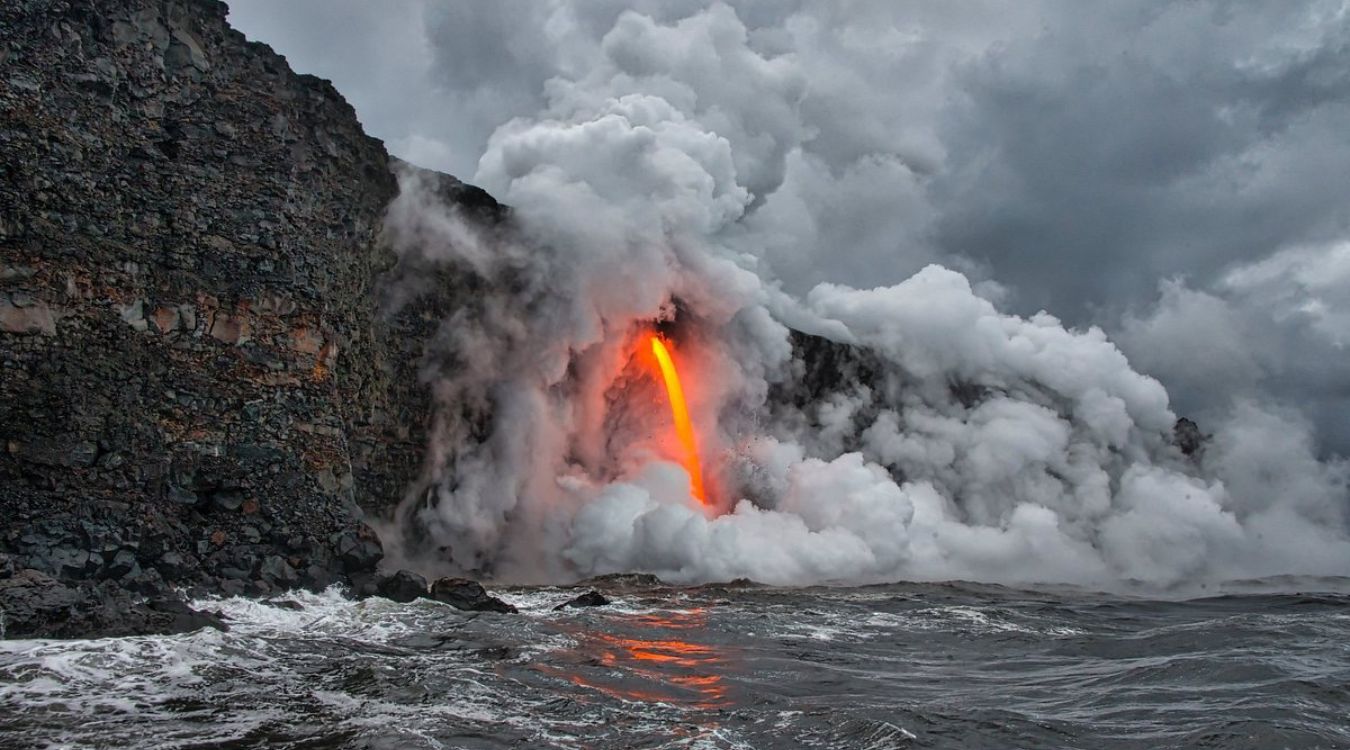
Have you ever wondered about the hidden gems of Hawaii? One such marvel is Pu'u Pehe, also known as Sweetheart Rock. Located on the island of Lana'i, this natural wonder offers breathtaking views and a rich history. Legend has it that a heartbroken warrior buried his beloved here, giving the rock its romantic name. The hike to Pu'u Pehe is short but steep, rewarding adventurers with panoramic ocean views. Whether you're a history buff or a nature lover, this spot has something for everyone. Ready to explore the beauty and mystery of Pu'u Pehe? Let's dive in!
Secrets of Hawaii's Pu'u Pehe Vents
Hawaii's Pu'u Pehe, also known as Sweetheart Rock, is a place of mystery and beauty. The vents around this iconic landmark hold secrets waiting to be uncovered. Let's dive into the hidden wonders of these natural formations.
1. The Legend of Pu'u Pehe
The story behind Pu'u Pehe is as captivating as the rock itself. According to Hawaiian legend, a warrior named Makakehau fell in love with a beautiful maiden named Pehe. When she died, he buried her in a sea cave beneath the rock, then leaped to his death from the top. This tale adds a layer of mystique to the vents surrounding the rock.
2. Unique Marine Life
The vents around Pu'u Pehe are teeming with unique marine life. These underwater openings release warm water, creating a perfect environment for various species.
- Colorful Coral Reefs: The warm water from the vents supports vibrant coral reefs. These reefs are home to countless fish, crustaceans, and other sea creatures.
- Rare Fish Species: Some fish found near the vents are rare and not seen elsewhere. The warm, nutrient-rich water provides an ideal habitat for these unique species.
- Marine Plants: The vents also support diverse marine plant life. Algae and other plants thrive in the warm waters, contributing to the ecosystem's health.
3. Geological Wonders
The geological formations around Pu'u Pehe are fascinating. The vents play a significant role in shaping the landscape.
- Lava Tubes: The vents are connected to ancient lava tubes. These tubes were formed by flowing lava and now serve as pathways for warm water.
- Basalt Columns: The rock formations around the vents include striking basalt columns. These columns were created by the cooling and cracking of lava.
- Sea Caves: The vents have helped carve out sea caves in the rock. These caves are not only beautiful but also provide shelter for marine life.
4. Snorkeling and Diving Adventures
For those seeking adventure, the vents around Pu'u Pehe offer excellent snorkeling and diving opportunities.
- Clear Waters: The water around the vents is crystal clear, providing excellent visibility for snorkelers and divers.
- Diverse Marine Life: Exploring the vents allows you to see a wide variety of marine life up close. From colorful fish to intricate coral formations, there's always something new to discover.
- Underwater Photography: The unique underwater landscape around the vents makes for stunning photographs. Capture the beauty of the marine life and geological formations.
5. Environmental Importance
The vents around Pu'u Pehe play a crucial role in the local ecosystem.
- Nutrient-Rich Waters: The warm water from the vents is rich in nutrients, supporting a diverse range of marine life.
- Habitat Creation: The vents create unique habitats for various species. These habitats are essential for the survival of many marine organisms.
- Ecosystem Balance: The vents help maintain the balance of the local ecosystem. By providing a steady supply of nutrients, they support the health and diversity of marine life.
6. Cultural Significance
Pu'u Pehe and its vents hold cultural significance for the Hawaiian people.
- Ancient Legends: The legend of Pu'u Pehe is an important part of Hawaiian culture. It reflects the deep connection between the people and the land.
- Traditional Practices: The vents have been used in traditional Hawaiian practices. They are considered sacred and are respected by the local community.
- Cultural Preservation: Efforts are being made to preserve the cultural heritage of Pu'u Pehe. This includes protecting the vents and the surrounding environment.
7. Visiting Pu'u Pehe
Planning a visit to Pu'u Pehe? Here are some tips to make the most of your trip.
- Guided Tours: Consider taking a guided tour to learn more about the history and significance of Pu'u Pehe and its vents.
- Respect the Environment: When visiting, be mindful of the environment. Avoid disturbing the marine life and geological formations.
- Safety First: The waters around Pu'u Pehe can be unpredictable. Always prioritize safety when snorkeling or diving.
Pu'u Pehe's vents are a hidden gem in Hawaii. From unique marine life to cultural significance, these natural formations offer a glimpse into the island's rich heritage and natural beauty.
Why Pu'u Pehe Vents Should Be on Your Bucket List
Pu'u Pehe Vents in Hawaii offers a unique blend of natural beauty and mystery. The stunning rock formations and the legend of the "Sweetheart Rock" make it a must-see. The area is perfect for hiking, photography, and simply soaking in the breathtaking views. Whether you're an adventurer or someone who loves to relax in nature, this spot has something for everyone. The vents themselves are a geological wonder, showcasing the island's volcanic history. Visiting Pu'u Pehe Vents provides a deeper appreciation for Hawaii's natural landscape and cultural stories. Don't miss out on this hidden gem during your next trip to the islands. It's an experience that will leave you with lasting memories and a newfound respect for the power and beauty of nature. Make sure to add Pu'u Pehe Vents to your travel plans.
