Hidden Wonders Of Hawaii’s Waipio Valley Taro Fields
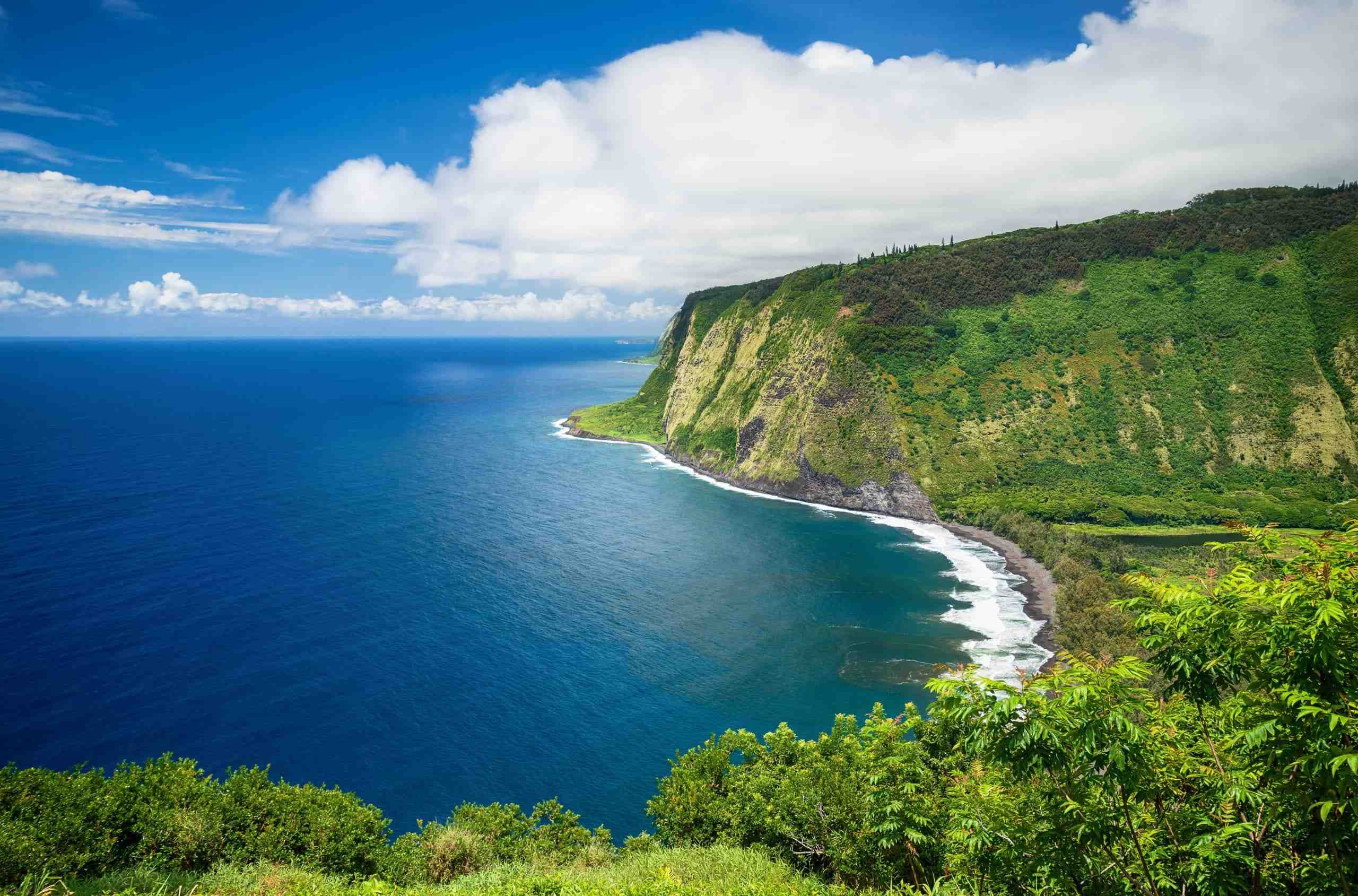
Have you ever wondered what makes Hawaii's Waipio Valley so special? Nestled on the Big Island, this lush valley is home to the ancient Waipio Valley Taro Fields. These fields have been cultivated for centuries, producing taro, a staple in Hawaiian cuisine. Surrounded by towering cliffs and cascading waterfalls, the valley offers a glimpse into Hawaii's rich agricultural history. The taro fields are not just a feast for the eyes but also a testament to the island's enduring traditions. Whether you're a history buff or a nature lover, the Waipio Valley Taro Fields provide a unique experience that connects you to the heart of Hawaiian culture.
The Enchanting Waipio Valley
Waipio Valley, often called the "Valley of the Kings," is a lush paradise on Hawaii's Big Island. Known for its stunning landscapes, it also holds a secret treasure: the ancient taro fields. These fields have been cultivated for centuries, providing a glimpse into Hawaii's rich agricultural history.
Ancient Taro Fields
The taro fields in Waipio Valley are not just any fields; they are a living testament to the ingenuity and resilience of the Hawaiian people. Here are some of the most fascinating spots to visit:
Waipio Valley Lookout
- Start your journey with a breathtaking view from the Waipio Valley Lookout. This vantage point offers a panoramic view of the valley, including the taro fields below. It's the perfect spot to appreciate the valley's vastness and beauty.
Hi'ilawe Falls
- As you venture deeper into the valley, you'll come across Hi'ilawe Falls, one of Hawaii's tallest waterfalls. The falls cascade down into the valley, nourishing the taro fields with fresh water. The sight of the falls is awe-inspiring and adds to the valley's mystical charm.
Waipio River
- The Waipio River meanders through the valley, providing essential irrigation for the taro fields. Walking along the riverbanks, you'll see how the ancient Hawaiians ingeniously diverted water to their crops. It's a serene and educational experience.
Cultural Significance
The taro fields are not just about agriculture; they hold deep cultural significance for the Hawaiian people. Each field tells a story of tradition, community, and respect for the land.
Kalo Patches
- Kalo, or taro, is a staple in Hawaiian cuisine and culture. Visiting the kalo patches, you'll learn about the traditional methods of taro cultivation. Farmers here still use ancient techniques passed down through generations, making it a living museum of Hawaiian heritage.
Hale O Lono Heiau
- This ancient temple, dedicated to Lono, the god of agriculture, is nestled among the taro fields. The heiau is a sacred place where rituals and ceremonies were performed to ensure bountiful harvests. It's a powerful reminder of the spiritual connection between the land and its people.
Natural Beauty
Beyond the taro fields, Waipio Valley is a haven of natural beauty. The lush greenery, diverse wildlife, and tranquil atmosphere make it a perfect escape from the hustle and bustle of modern life.
Black Sand Beach
- At the mouth of the valley lies a stunning black sand beach. The contrast between the dark sand and the vibrant green surroundings is striking. It's a great spot to relax, take in the scenery, and maybe even spot some wild horses roaming the beach.
Waipio Valley Trails
- For the adventurous, the valley offers numerous hiking trails. These trails take you through dense forests, past hidden waterfalls, and, of course, alongside the taro fields. Each step reveals a new facet of Waipio's natural splendor.
A Living Legacy
Waipio Valley's taro fields are more than just a beautiful sight; they are a living legacy of Hawaii's past. Visiting these fields offers a unique opportunity to connect with the island's history, culture, and natural beauty.
Local Farmers
- Meeting the local farmers who tend to the taro fields is a highlight of any visit. These dedicated individuals are the keepers of ancient knowledge and traditions. Their stories and insights provide a deeper understanding of the valley's significance.
Community Efforts
- The preservation of Waipio Valley and its taro fields is a community effort. Various organizations and volunteers work tirelessly to maintain the valley's ecological balance and cultural heritage. Their efforts ensure that future generations can continue to enjoy this hidden wonder.
A Visit Worth Making
Waipio Valley's taro fields offer a unique glimpse into Hawaii's rich culture and history. The lush greenery, ancient farming techniques, and serene atmosphere make it a must-see for anyone visiting the Big Island. Walking through the fields, you can feel the deep connection between the land and its people. This isn't just a tourist spot; it's a living, breathing part of Hawaiian heritage.
Exploring these fields provides more than just scenic beauty. It offers a chance to understand the importance of taro in Hawaiian life. Whether you're a history buff, nature lover, or just looking for a peaceful escape, Waipio Valley delivers. Don't miss out on this hidden gem. Make sure to add it to your travel itinerary. You'll leave with a deeper appreciation for Hawaii's natural and cultural treasures.