

Secrets Of Georgia’s Sapelo Island Tidal Marsh Terrapin Nesting Beaches
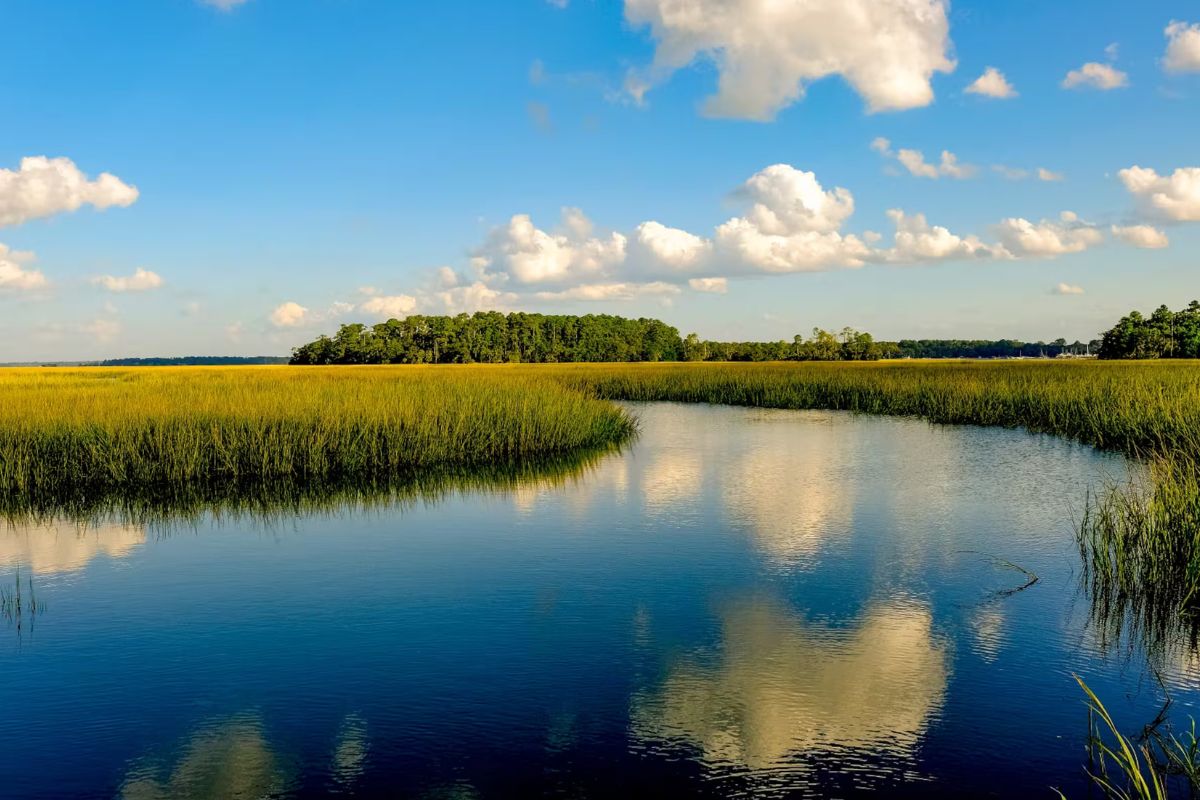
Have you ever wondered where to find some of the most unique wildlife in Georgia? Sapelo Island is home to the tidal marsh terrapin nesting beaches, a hidden gem for nature lovers. This island offers a rare glimpse into the lives of diamondback terrapins, a species that thrives in these unique habitats. Visiting these nesting beaches not only provides an opportunity to see these fascinating creatures but also to explore the rich biodiversity of the marshlands. Whether you're a seasoned traveler or a curious explorer, Sapelo Island's terrapin nesting beaches promise an unforgettable experience. Ready to learn more about this natural wonder? Let's dive in!
Discovering Sapelo Island
Sapelo Island, a hidden gem off the coast of Georgia, is a sanctuary for wildlife and a paradise for nature lovers. Its tidal marshes and nesting beaches are home to the elusive diamondback terrapin. Let's explore some of the best spots to witness these fascinating creatures.
Nannygoat Beach
Nannygoat Beach is a prime location for spotting terrapins. This serene beach offers a perfect blend of sandy shores and marshy areas, creating an ideal habitat for nesting.
- Nannygoat Beach: Known for its pristine sands and tranquil waters, this beach is a favorite nesting spot for terrapins. The mix of sand and marshland provides the perfect environment for these creatures to lay their eggs.
Cabretta Island
Cabretta Island, part of the larger Sapelo Island, is another excellent spot for terrapin nesting. Its untouched beauty and diverse ecosystems make it a must-visit.
- Cabretta Island: This island boasts a variety of habitats, from sandy beaches to lush marshes. Terrapins find this diversity perfect for nesting, making it a hotspot for wildlife enthusiasts.
Blackbeard Island
Blackbeard Island, though not directly part of Sapelo, is close enough to be included in your terrapin-spotting adventure. Its rich history and natural beauty add to the experience.
- Blackbeard Island: With its dense forests and expansive marshes, Blackbeard Island offers a unique setting for terrapin nesting. The island's secluded beaches are perfect for these shy creatures.
Marsh Landing
Marsh Landing, located on the western side of Sapelo Island, provides a different perspective on terrapin habitats. The marshes here are teeming with life, offering a glimpse into the island's rich biodiversity.
- Marsh Landing: This area is characterized by its extensive marshlands, which are crucial for terrapin nesting. The abundance of food and shelter makes it an ideal spot for observing these reptiles.
Long Tabby
Long Tabby, with its historical significance and natural beauty, is another excellent location for terrapin nesting. The area is steeped in history, adding an extra layer of intrigue to your visit.
- Long Tabby: Known for its historical ruins and scenic views, Long Tabby is also a haven for terrapins. The combination of sandy beaches and marshy areas provides a perfect nesting ground.
Dean Creek
Dean Creek, a lesser-known spot on Sapelo Island, offers a peaceful retreat for both terrapins and visitors. Its quiet, undisturbed environment makes it a great place to observe wildlife.
- Dean Creek: This secluded area is ideal for terrapin nesting due to its calm waters and abundant marshland. The tranquility of Dean Creek makes it a perfect spot for nature observation.
South End Beach
South End Beach, located at the southern tip of Sapelo Island, is a picturesque location for terrapin nesting. The beach's remote location ensures minimal human disturbance, making it a safe haven for wildlife.
- South End Beach: This remote beach is a prime nesting site for terrapins. Its isolation from human activity provides a safe environment for these creatures to lay their eggs.
Behavior of Diamondback Terrapins
Understanding the behavior of diamondback terrapins can enhance your experience on Sapelo Island. These reptiles are known for their unique nesting habits and fascinating life cycle.
Nesting Habits: Terrapins typically nest in sandy areas close to marshes. They dig nests in the sand to lay their eggs, which hatch after about 60 days.
Life Cycle: After hatching, young terrapins make their way to the marshes, where they spend most of their lives. They are excellent swimmers and can often be seen basking in the sun on marsh banks.
Conservation Efforts
Efforts to protect diamondback terrapins and their habitats are crucial for their survival. Various organizations are working to ensure these unique creatures continue to thrive on Sapelo Island.
Protection Programs: Conservation programs focus on protecting nesting sites and reducing threats from human activity. These efforts are vital for maintaining the terrapin population.
Community Involvement: Local communities play a significant role in conservation. Education and awareness programs help residents and visitors understand the importance of protecting terrapin habitats.
Embracing Sapelo Island's Natural Wonders
Sapelo Island's tidal marshes offer a unique glimpse into the nesting habits of terrapins. These beaches are not just beautiful; they are vital for the survival of these fascinating creatures. Visiting Sapelo Island means more than just a trip; it's a chance to witness nature's delicate balance. Protecting these nesting sites ensures future generations can enjoy and learn from this special place. Whether you're a nature enthusiast or just looking for a peaceful escape, Sapelo Island has something to offer. Remember to respect the environment and leave no trace behind. By doing so, you help preserve this incredible habitat for terrapins and other wildlife. Plan your visit, enjoy the serene landscapes, and take part in conserving one of Georgia's hidden gems.
