

Secrets Of Georgia’s Etowah Mounds Burial Grounds
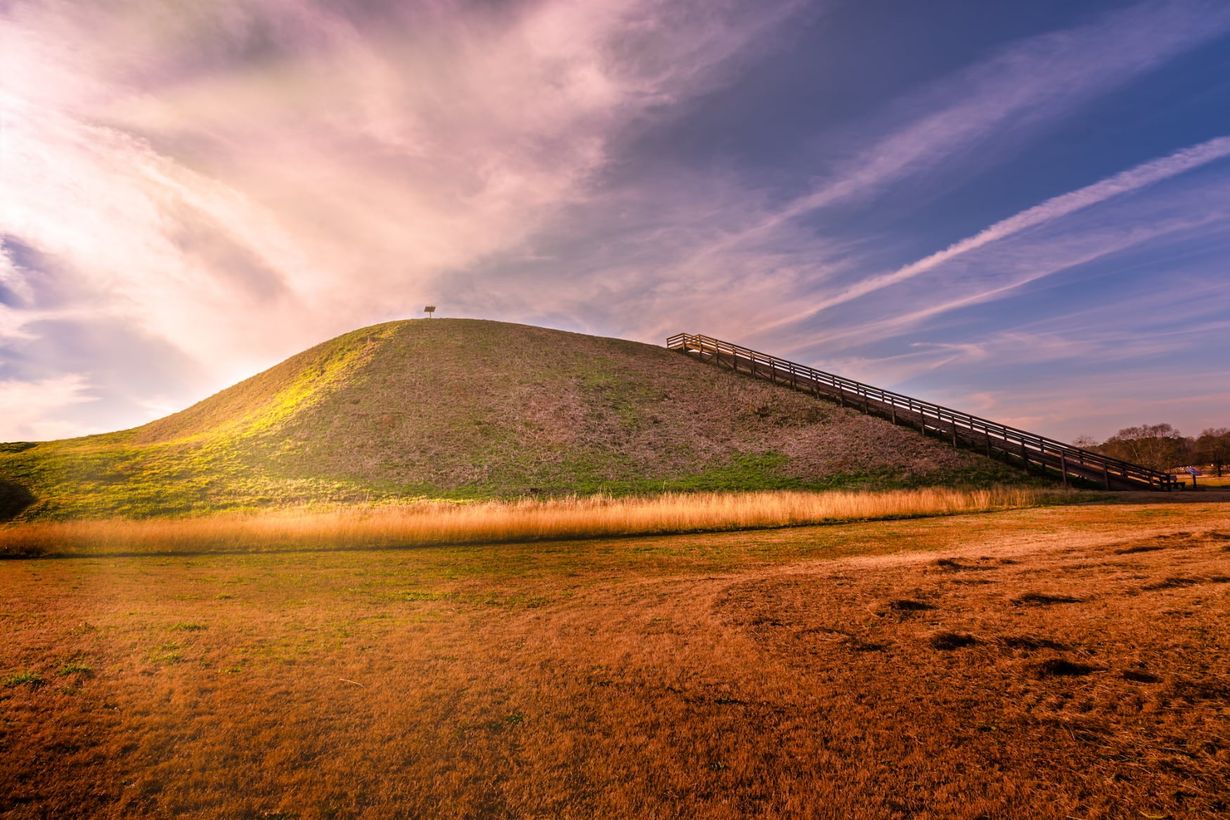
Have you ever wondered about the ancient secrets hidden in Georgia? Etowah Mounds Burial Grounds hold fascinating stories from a time long past. Located near Cartersville, these mounds date back to 1000 AD and were once home to a thriving Native American community. The site includes six earthen mounds, a plaza, village area, borrow pits, and a defensive ditch. Visitors can explore the museum, which showcases artifacts like pottery, tools, and jewelry. Walking through the grounds, you can almost feel the presence of the people who lived there centuries ago. Ready to step back in time and uncover the mysteries of the Etowah Mounds?
Unveiling the Mysteries of Etowah Mounds
Etowah Mounds in Georgia is a fascinating archaeological site that offers a glimpse into the lives of the Mississippian culture. These ancient burial grounds hold secrets waiting to be uncovered. Let's dive into the wonders of this historic site.
The Majestic Mounds
The Etowah Mounds are composed of three main mounds, each with its own unique story and significance. These mounds were constructed by the Mississippian people between 1000 and 1550 AD.
Mound A: The largest mound, standing at 63 feet tall, served as the platform for the chief's house. Imagine the view from the top, overseeing the entire village and the surrounding landscape.
Mound B: This mound, slightly smaller, was likely used for ceremonial purposes. Artifacts found here suggest it played a crucial role in the spiritual life of the community.
Mound C: The smallest of the three, Mound C, is believed to be a burial mound. Excavations have revealed numerous burials, providing insights into the burial practices and social hierarchy of the Mississippian people.
Artifacts and Treasures
The Etowah Mounds site is rich with artifacts that tell the story of the people who once lived there. These items offer a glimpse into their daily lives, beliefs, and craftsmanship.
Stone Effigies: Intricately carved stone figures, representing animals and humans, have been found at the site. These effigies likely held religious or ceremonial significance.
Copper Plates: Beautifully crafted copper plates, often depicting intricate designs and figures, were discovered in the burial mounds. These plates highlight the advanced metalworking skills of the Mississippian people.
Shell Gorgets: These decorative ornaments, made from marine shells, were worn as necklaces. The intricate designs on the gorgets provide clues about the symbolism and artistry of the culture.
The Etowah River
The Etowah River played a vital role in the lives of the Mississippian people. It provided water, food, and transportation, making it a lifeline for the community.
Fishing Weirs: Ingenious stone structures built in the river to trap fish. These weirs demonstrate the resourcefulness and ingenuity of the Mississippian people in utilizing their natural environment.
Canoe Routes: The river served as a highway for trade and communication. Canoes carved from large trees were used to navigate the waterways, connecting the Etowah Mounds to other Mississippian sites.
The Surrounding Landscape
The area around the Etowah Mounds is rich in natural beauty and resources. The landscape played a crucial role in the daily lives and survival of the Mississippian people.
Agricultural Fields: The fertile land around the mounds was used for farming. Crops such as corn, beans, and squash were grown, providing sustenance for the community.
Hunting Grounds: The surrounding forests and fields were teeming with wildlife. Hunting provided meat, hides, and other resources essential for the community's survival.
Preservation and Education
Today, the Etowah Mounds site is a protected area, offering educational opportunities for visitors to learn about this ancient culture.
Etowah Indian Mounds Historic Site: This state park features a museum with exhibits showcasing artifacts and providing information about the Mississippian culture. Guided tours and educational programs are available for visitors of all ages.
Archaeological Research: Ongoing research and excavations continue to uncover new information about the Etowah Mounds and the people who built them. This research helps to preserve and share the history of this remarkable site.
Discovering Etowah Mounds
Etowah Mounds offers a unique glimpse into ancient Native American culture. These burial grounds reveal much about the Mississippian people who lived there centuries ago. Walking through the site, you can see the impressive mounds, artifacts, and structures that tell stories of a rich history. The museum on-site provides further context, showcasing pottery, tools, and ornaments found during excavations.
Visiting Etowah Mounds isn't just about seeing old relics; it's about connecting with a past civilization. The landscape and river add to the experience, making it a peaceful yet educational trip. Whether you're a history buff or just curious, Etowah Mounds offers something for everyone. It's a reminder of the complex societies that existed long before modern times, right in the heart of Georgia.
