

Secret Nesting Spots Of Georgia’s Jekyll Island Diamondback Terrapins
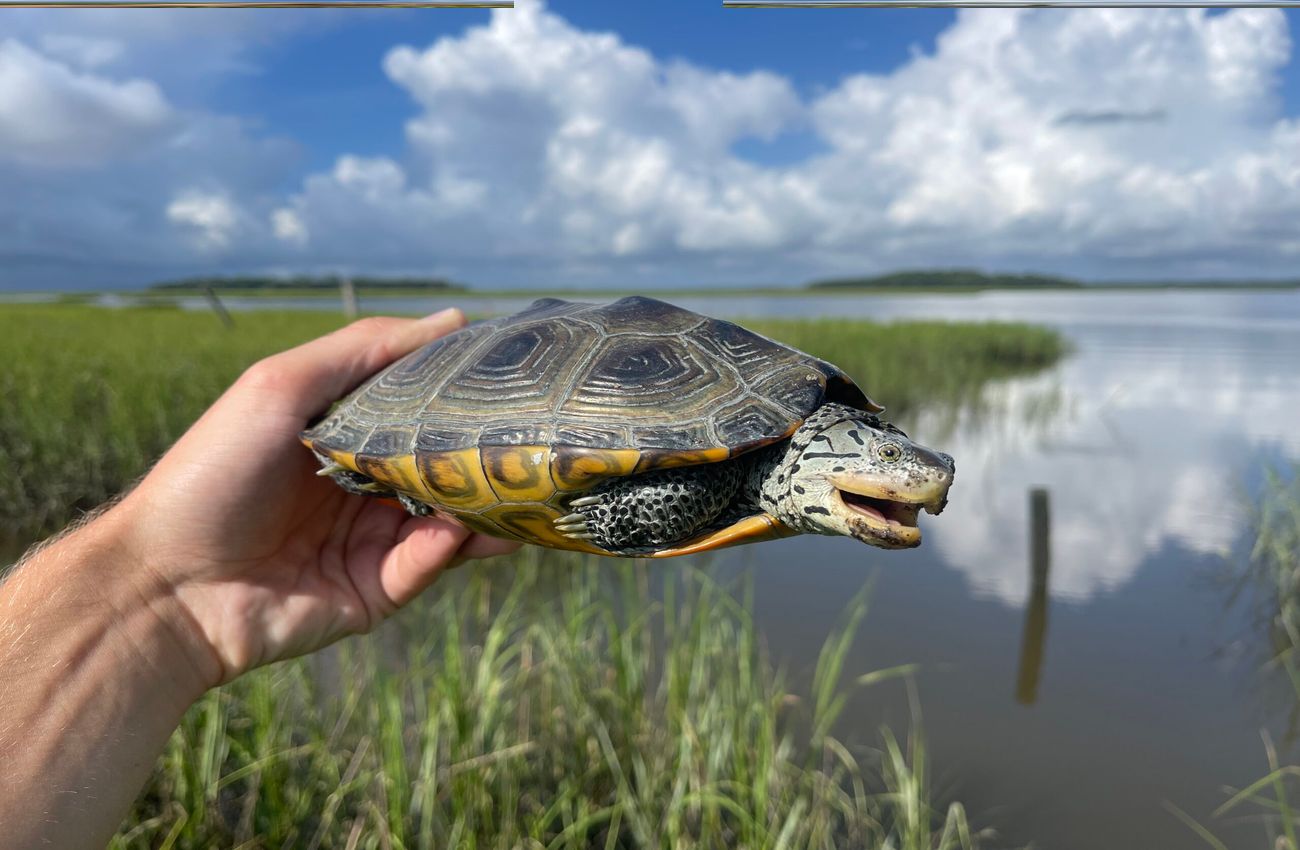
Have you ever wondered where the diamondback terrapins of Jekyll Island lay their eggs? These fascinating creatures have some secret nesting spots that are both intriguing and essential for their survival. Jekyll Island, a gem on Georgia's coast, offers a unique habitat for these turtles. The island's sandy dunes, marshes, and quiet beaches provide the perfect environment for terrapins to nest. Understanding these nesting areas helps protect the species and ensures their continued presence on the island. Join us as we explore the hidden corners of Jekyll Island where these amazing turtles make their homes.
Secret Nesting Spots of Georgia's Jekyll Island Diamondback Terrapins
Jekyll Island, a gem on Georgia's coast, is home to the elusive Diamondback Terrapins. These turtles, known for their unique diamond-patterned shells, have specific nesting spots on the island. Let's uncover these hidden locations where you might spot these fascinating creatures.
1. Clam Creek Picnic Area
Clam Creek Picnic Area offers more than just a place to enjoy a meal. This spot, with its sandy shores and calm waters, provides an ideal nesting ground for Diamondback Terrapins. Early morning or late afternoon visits increase your chances of seeing these turtles.
2. Jekyll Island Causeway
The Jekyll Island Causeway, a vital link to the island, is also a significant nesting area. Terrapins often cross the road to reach their nesting sites, so keep an eye out, especially during nesting season. Drive carefully to avoid harming these precious creatures.
3. Horton Pond
Horton Pond, a serene freshwater pond, attracts many Diamondback Terrapins. The pond's edges, with their soft, sandy soil, make perfect nesting spots. A quiet walk around the pond might reward you with a glimpse of a nesting terrapin.
4. Great Dunes Park
Great Dunes Park, known for its expansive sandy dunes, is another favorite nesting site. The dunes provide the perfect environment for terrapins to lay their eggs. Visit during the early summer months for the best chance to see nesting activity.
5. Driftwood Beach
Driftwood Beach, famous for its picturesque driftwood, is also a nesting haven for Diamondback Terrapins. The beach's unique landscape offers plenty of secluded spots for terrapins to nest. Early morning walks here can be particularly rewarding.
6. South Dunes Picnic Area
South Dunes Picnic Area, with its mix of dunes and vegetation, provides excellent nesting conditions. The area is less crowded, giving terrapins the peace they need to lay their eggs. Visit during the nesting season to increase your chances of spotting them.
7. St. Andrews Beach Park
St. Andrews Beach Park, located on the island's southern tip, is a quieter spot favored by nesting terrapins. The park's sandy shores and calm environment make it an ideal nesting ground. A stroll along the beach might lead to an exciting terrapin encounter.
8. Tidelands Nature Center
Tidelands Nature Center, dedicated to preserving Jekyll Island's natural beauty, is surrounded by prime nesting habitats. The center offers educational programs about Diamondback Terrapins, making it a great place to learn and possibly see these turtles in action.
9. Jekyll Island Golf Club
Jekyll Island Golf Club, with its lush greens and water hazards, surprisingly serves as a nesting site. The club's ponds and sandy areas attract terrapins looking for safe nesting spots. Golfers might get lucky and spot a terrapin during their game.
10. Beach Village
Beach Village, a bustling area with shops and restaurants, also has nearby nesting spots. The mix of human activity and natural habitats creates a unique environment where terrapins feel safe to nest. Evening walks around the village can be quite revealing.
Protecting Jekyll Island's Hidden Gems
Jekyll Island's diamondback terrapins are more than just fascinating creatures; they are vital to the island's ecosystem. Their secret nesting spots, often hidden in plain sight, need our attention and protection. By understanding their habits and habitats, we can help ensure these turtles thrive for generations to come. Simple actions like respecting nesting areas, reducing plastic waste, and supporting local conservation efforts make a big difference. Next time you visit Jekyll Island, take a moment to appreciate these incredible turtles and consider how you can contribute to their preservation. Protecting these hidden gems isn't just about saving a species; it's about maintaining the natural beauty and balance of Jekyll Island for everyone to enjoy. Let's work together to keep this unique part of Georgia's wildlife thriving.
