Part of our Florida guide.
28 places and guides from our Hidden Fort coverage, gathered into one page.
Forgotten Seminole War Forts
Florida’s forgotten Seminole War forts hold stories of bravery, conflict, and survival that shaped the state’s history. Built during the 19th-century Seminole Wars, these military outposts and refuges once dotted the frontier. Today, many lie in ruins or are completely overlooked, overshadowed by beaches and theme parks—yet they offer a raw glimpse into a turbulent past. Walking these grounds, you can almost hear the echoes of soldiers and Seminole warriors. For travelers willing to dig deeper, these sites are among the best secrets hidden in Florida, rewarding those who venture off the main paths with a tangible connection to a conflict often left out of guidebooks. Exploring them feels like stepping back in time, where every crumbling foundation and overgrown earthwork marks a moment of tension and resilience.
Hidden Spanish Colonial Missions
Florida’s Spanish Colonial Missions are among the state’s most understated historic sites. Established by Spanish settlers in the 16th and 17th centuries, these missions were central to shaping the region’s cultural identity. Each location preserves distinct architecture and the layered stories of Indigenous peoples and European colonizers who lived and labored there. Walking through the weathered walls, you can trace the daily rhythms of mission life—worship, trade, and survival—that defined early Florida. These sites offer a quiet counterpoint to crowded modern attractions, letting you step back in time without leaving the state. Whether you’re a history buff or just seeking a slower pace, the missions reward curiosity with tangible remnants of a complex past. For travelers mapping out an itinerary, they pair well with the secrets hidden in Florida—a chance to see beyond the theme parks and into the state’s deeper, often overlooked, layers.
Spanish Colonial Forts
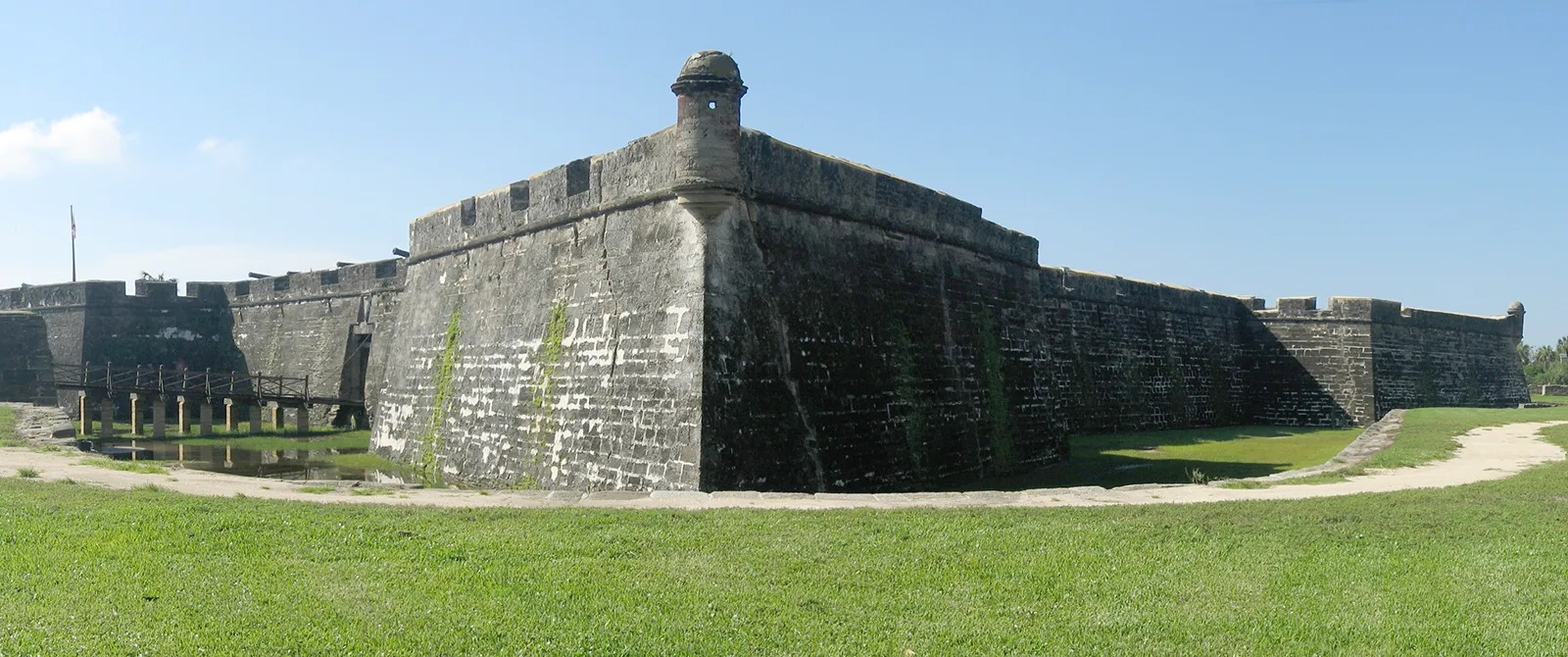
Florida’s Spanish Colonial forts are more than old stone walls—they’re time capsules of adventure, conflict, and survival. Erected by Spanish explorers in the 16th and 17th centuries, these strongholds shielded settlements from pirates and rival European powers. Today, they stand as quiet sentinels to that turbulent era. Castillo de San Marcos in St. Augustine boasts sturdy coquina walls that still bear cannon scars, while the remote ruins of Fort Matanzas offer a wilder, less-traveled glimpse of the past. Each fort tells its own story of sieges, shifting borders, and the soldiers who manned the ramparts. Walk their corridors, and you’ll feel the weight of history in every stone.
Ancient Timucuan Sites
The Timucuan sites preserve evidence of a culture that flourished here for thousands of years. These locations feature mysterious mounds and ancient artifacts, each offering a direct window into the daily lives and ingenuity of the Timucua people. A visit goes beyond a simple history lesson—it’s a tangible connection to the deep roots of Florida’s past. Whether you’re tracing the contours of a shell mound or examining pottery shards, the stories feel immediate. These grounds are not just relics; they are a living part of the landscape, waiting for you to walk them and piece together the traditions that shaped this region long before recorded history.
Fort Pierce
Fort Pierce’s hidden past goes deeper than its beaches and marine life. During World War II, this coastal city became a major training ground where U.S. soldiers practiced beach landings and combat skills for missions that would alter the course of history. Those secrets hidden in Florida are still visible today—scattered remnants of military installations and training structures remain throughout the area. Walking the shoreline, you can almost picture the troops preparing for deployment. For history buffs, these weathered relics offer a tangible link to a time when Fort Pierce itself was a crucial piece of the global war effort, a role that most visitors never suspect as they enjoy the sun and surf.
Paynes Prairie Trading Paths
Paynes Prairie hides a rich past along its trading paths, where Native Americans and Spanish explorers once walked. Today, these same trails let you step into that history while watching for wild horses, bison, or even alligators. Birders will appreciate the chance to spot over 270 species in this unique landscape. The park’s trails weave through marshes and uplands, offering a quiet escape that feels far from the usual tourist stops. It’s the kind of place that rewards curiosity—each turn might reveal a glimpse of wildlife or a trace of the old trading routes. Whether you’re hiking, biking, or simply pausing to take in the scenery, Paynes Prairie delivers a genuine slice of Florida’s natural and cultural heritage. Come ready to explore, and you’ll leave with stories worth sharing.
Fort Cooper
Fort Cooper State Park in Inverness hides a layered past tied to the Second Seminole War. Walk the same trails where soldiers once marched, and you’ll find the landscape quietly marks those turbulent years. The park covers over 700 acres, blending open woods and wetland views. Hiking and birdwatching draw most visitors, but the real draw is the sense of stepping back in time without leaving Florida’s familiar scenery. It’s the kind of place that rewards slow exploration—pause at the lake, listen for the birds, and let the history settle in. For anyone tracing the secrets hidden in Florida, this is a stop worth making. Or, if you prefer your escapes off the beaten path, the paths secrets hidden in Florida often lead here too.
Unveil The Mysteries Of Castillo De San Marcos Fort
Step back in time at this 300-year-old Spanish fortress in St. Augustine. Run your hands along the coquina stone walls, built by the Spanish in the late 17th century, and imagine the soldiers who once stood guard. The fort’s unique architecture—designed to withstand cannon fire—and its strategic coastal position made it a key stronghold for centuries. Wander the ancient corridors, climb to the gun deck for sweeping views, and trace the layers of history etched into every wall. Whether you’re a history buff or just curious, this landmark offers a tangible connection to Florida’s colonial past. Don’t rush; let the quiet corners and weathered battlements reveal their own stories, from sieges to pirate threats. It’s more than a monument—it’s a journey through time.
Ponce Inlet Mines
While most visitors come to Ponce Inlet for its beaches and historic lighthouse, the area also holds traces of old mining tunnels that hint at a lesser-known past. These tunnels offer a raw, adventurous contrast to the typical seaside day—imagine stepping into shaded, historic passageways just a short walk from the coast, then emerging to sweeping scenic views. The site blends natural terrain with remnants of extraction efforts, making it a quiet detour for those who enjoy unearthing the secrets hidden in Florida. It’s a compact stop, so pair it with a lighthouse visit or a shoreline stroll. For travelers who like their history with a side of solitude, this is a memorable, off-the-beaten-path pause.
Lost Colony Secrets
Florida’s Lost Colony, established in the late 16th century, vanished without a trace, leaving historians and archaeologists puzzled for centuries. Some believe the colonists integrated with local Native American tribes, while others suggest disease, starvation, or Spanish attacks sealed their fate. Despite numerous excavations, the true story remains elusive. As you explore these enduring mysteries, you might also uncover other secrets hidden in Florida. Join us as we delve into the ongoing efforts to uncover the colony’s fate, a puzzle that continues to intrigue researchers and visitors alike.
Dry Tortugas Fort Jefferson Moat Walls
The Dry Tortugas’ Fort Jefferson, located about 70 miles west of Key West, is one of the largest masonry structures in the Americas. Its moat walls were built in the 19th century not just for looks—they were a key part of the fort’s defense. Today, you can walk along these walls and picture the soldiers who once stood guard there. The walls frame the fort’s perimeter, offering a tangible link to its military past while you take in the surrounding crystal-clear waters. It’s a chance to see firsthand how this remote outpost combined engineering with protection.
Hidden Military Space Tech At Florida's Kennedy Space Center
Behind the launch pads and astronaut training facilities at Florida's Kennedy Space Center lies a lesser-known layer of activity: military space technology. This isn't just about rockets—it's about the advanced satellites and secure communication systems that protect national interests while enabling deeper space exploration. These technologies quietly shape everything from global navigation to missile warning systems, often in ways visitors never see. The same facilities that send civilian missions skyward also host classified payloads and experiments, blending civilian ambition with defense priorities. For those who dig past the public tours, the center reveals a dual-purpose legacy where innovation serves both exploration and security. It's a reminder that the space race was never purely civilian—and that the secrets hidden in Florida's space coast run deeper than any launch schedule suggests.
Unveil The Mysteries Of Fort Zachary Taylor
Fort Zachary Taylor in Key West, Florida, combines Civil War and Spanish-American War history with outdoor recreation. Explore the fort’s walls and exhibits, then head to the beach for some of the best snorkeling and swimming in the area. The park also offers scenic trails and picnic areas, making it an easy stop for families. While you’re in the Keys, you might also uncover other secrets hidden in Florida—but this fort alone rewards a half-day visit. Bring water shoes, a snorkel, and sun protection; the rocky shoreline and clear shallows are the main draw. The fort’s role in coastal defense is well-documented on interpretive signs, so you can pair a self-guided tour with a swim. It’s a practical mix of history and leisure without the crowds of other Key West attractions.
Natural Bridge Battlefields
Natural Bridge Battlefields in Florida marks the site of a Civil War clash in 1865. Union forces attempted to capture Tallahassee, but Confederate troops held their ground. The fighting was fierce, with soldiers on both sides showing bravery. Today, the area is a peaceful park. Visitors can walk the trails and picture the events that unfolded there. It’s a quiet place where history and nature meet, offering a window into a divided nation’s past.
Fort Jefferson
Located in Dry Tortugas National Park, this massive coastal fortress sits where turquoise waters meet ancient brick walls. Accessible only by boat or seaplane, getting there is part of the adventure. Snorkeling, bird watching, and camping are among the top activities here. The journey reveals some of the secrets hidden in Florida’s most remote national park. Whether you’re exploring the fort’s towering ramparts or swimming in the clear shallows, the isolation keeps crowds thin and the experience raw. Plan for a full day, as the ferry ride alone takes over two hours each way. For those who stay overnight, the sunset and star-filled skies are unmatched. Fort Jefferson isn’t just a history lesson—it’s a hands-on adventure that rewards the effort it takes to reach.
Fort Caroline
Have you ever wondered about the hidden trading posts of Florida's Fort Caroline? This historic site, nestled along the St. Johns River, holds secrets from the past. Established by the French in 1564, Fort Caroline served as a hub for trade and exploration. The fort's strategic location made it a prime spot for exchanging goods with Native American tribes. These trading posts were bustling centers where European settlers and indigenous people met, shared, and traded. Today, the remnants of these posts offer a glimpse into the vibrant interactions that shaped early Florida, and they remain among the most intriguing of the secrets hidden in Florida.
Fort Clinch Villages
The villages around Fort Clinch hold the everyday stories of soldiers, families, and communities who lived in the fort’s shadow. Walking through these areas, you can almost hear the echoes of the past—from soldiers preparing for battle to quiet domestic moments. Each corner has a tale to tell, and these settlements are part of the fort’s larger history. While the fort itself draws attention, the villages nearby offer a deeper layer of the site’s past, connecting visitors to the people who sustained it. These are among the secrets hidden in Florida, often missed by those who only stop at the fort’s walls. Take time to explore the grounds beyond the ramparts; the stories there are just as enduring as the fort’s.
Suwannee River Trading Posts
Along Florida’s Suwannee River, historic trading posts still operate as living museums of local commerce. These spots offer more than kayak launches—they hold unique items, handcrafted goods, and stories passed down through generations. Visitors can browse shelves stocked with regional crafts, old-fashioned provisions, and artifacts that reflect the river’s role in early settlement. Each post has its own character, often tied to the steamboat era or turpentine and cotton trades. The river itself winds through remote landscapes, so stopping at these posts feels like uncovering secrets hidden in Florida. Whether you’re after a hand-tied fishing fly, a jar of local honey, or just a cold drink and a chat with the owner, the trading posts reward slow travel. They’re practical waypoints, not polished attractions—and that’s exactly their charm. Plan to linger, ask questions, and let the river’s history unfold one shelf at a time.
St. Marks National Wildlife Refuge Lighthouse
Established in 1831, the St. Marks National Wildlife Refuge Lighthouse has long guided ships through Apalachee Bay. Beyond its history, the surrounding refuge spans over 70,000 acres of protected land, offering diverse habitats from salt marshes to pine forests. It’s a prime spot for wildlife enthusiasts and bird watchers, blending coastal views with quiet nature trails. While you’re exploring, you might uncover some of the secrets hidden in Florida’s less-traveled corners. The lighthouse itself remains a striking landmark, and the refuge around it rewards those who linger with sightings of migratory birds and native flora. Whether you’re here for the history or the outdoors, this spot delivers a genuine slice of Florida’s wild side without the crowds.
Fort Caroline
Tucked near Jacksonville, Fort Caroline was established by the French in 1564, marking a pivotal moment in the early European colonization of North America. This historic site witnessed fierce clashes between French and Spanish forces, conflicts that helped shape the region’s destiny. Today, visitors can stroll the grounds and picture the skirmishes that once erupted here. The fort’s story is one of those secrets hidden in Florida, waiting for history buffs to explore. Walking the paths, you’ll find echoes of a turbulent past, where the struggle for control left an indelible mark on the landscape. It’s a quiet spot, but one that rewards those who pause to imagine the drama that unfolded centuries ago.
Fort Foster
Nestled in the lush landscape of Hillsborough River State Park, this historic site offers a glimpse into Florida’s past. Built during the Second Seminole War, Fort Foster served as a strategic trading post and military fortification. Today, visitors can explore the reconstructed fort, complete with blockhouses, a powder magazine, and a bridge. Guided tours and reenactments bring history to life, making it a perfect spot for history buffs and curious minds alike. It’s one of those secrets hidden in Florida that rewards those who venture off the main roads. The park’s trails also wind past quiet riverbanks, where the fort’s story feels close at hand—a true path secret hidden in Florida for anyone seeking a deeper connection to the state’s early conflicts.
Jacksonville's Oldest Plantation House
Step back in time at Jacksonville's oldest plantation house, built in the early 1800s. This home showcases the craftsmanship and elegance of a bygone era. Wander through its beautifully preserved rooms, each revealing stories of the families who lived here. The surrounding gardens offer a peaceful escape, ideal for a leisurely stroll. As you explore, you might uncover some of the secrets hidden in Florida’s historic corners. Admire the architecture and soak in a tangible piece of Jacksonville's history—a quiet retreat from the modern bustle, where every corner holds a whisper of the past.
San Felasco
San Felasco Hammock Preserve State Park holds battlefields from the Second Seminole War, a conflict that unfolded on ground now crossed by hikers and bikers. Walking its trails means treading over land where history was made, though today the park is a quiet retreat. Ancient trees and open fields line the paths, offering a sense of peace that contrasts with the area’s past. As you move through the preserve, the weight of what happened here lingers—whispers of the past carried on the breeze. It’s a place where nature and history intertwine, giving visitors a chance to reflect on the secrets hidden in Florida’s landscape.
Fort Gadsden
Fort Gadsden sits along the Apalachicola River, a historic site tied to trading posts and layered stories of the past. This location marks where soldiers once stood, exchanging goods and narratives with local tribes. It saw significant action during the War of 1812 and the Seminole Wars, offering a direct window into those conflicts. For anyone tracing the secrets hidden in Florida, the fort’s remote river setting feels far from the usual tourist paths. It’s a place where history isn’t just told—it’s grounded in the landscape itself. Whether you’re a dedicated history buff or simply curious about the state’s deeper layers, Fort Gadsden rewards a stop with its quiet, storied grounds.
Unveil The Mysteries Of Paynes Creek Trading Post
Step back to the 19th century at Paynes Creek Trading Post in Florida, a historic site along the banks of Paynes Creek. Once a busy hub for trade between settlers and the Seminole Indians, the park now lets you explore a reconstructed trading post, walk scenic trails, and picnic by the creek. A small museum displays artifacts and exhibits from this era. For those seeking more off-the-beaten-path destinations, this spot offers one of the secrets hidden in Florida. It’s an easy, unhurried stop that pairs well with a broader trip through the state’s Park State in Florida network, where history and nature intersect.
Unveil The Secrets Of Yellow Bluff Fort's Civil War Past
Curious about Civil War life? Yellow Bluff Fort in Jacksonville, Florida, offers a direct window into that era. Once a strategic military post, it now serves as a peaceful park where visitors can examine the remaining earthworks and cannons. Walking these grounds, you follow the same paths where soldiers kept watch. The fort’s earthworks and cannons still hint at the battles and daily hardships endured there. It’s a quiet place that rewards those who pause to read the interpretive signs and imagine the fort’s active years. For travelers already exploring Florida’s hidden corners, this site fits neatly into a broader itinerary of secrets hidden in Florida. No crowds, just history under the oaks.
Indian Key Villages
Indian Key Villages hide in the Florida Keys, remnants of communities that once thrived here. These spots offer a direct look at the past—walk paths where Native Americans traded and lived with the land. Today, you can explore the ruins, from ancient artifacts to stories passed down through generations. It’s a quiet, tangible window into Florida’s rich history, far from the crowds. For travelers already exploring the Keys, these villages are an easy detour, blending mystery with a real sense of place. If you’re after secrets hidden in Florida, this is where the old paths lead.
Ancient Storm Gates
Florida’s ancient storm gates were built by early settlers to withstand hurricanes, floods, and other natural disasters—structures that often outlast modern ones. Their construction reveals how these communities channeled storm surges and reinforced openings using local materials and clever engineering. The gates worked by redirecting water pressure and sealing entry points before impact, a method that proved remarkably effective over centuries. By studying how these gates were shaped, positioned, and maintained, we can still glean practical lessons for today’s coastal defenses. Their survival is one of the secrets hidden in Florida’s built landscape, offering a direct link between past resilience and present-day storm preparation.
More about Hidden Fort
- Secret Cenotes Of Florida's Hidden Hollows
- Secret Spots To Swim With Dolphins In Florida
- Hidden Gems Of Florida's Fishing Villages
- Florida's Hidden Turpentine Camps
- Secrets Inside Florida's Solomon's Castle
- Hidden Fishing Camps Along Florida's St. Johns River
- Hidden Springs Of Florida's Lake Kissimmee
- Secret Spots For Manatees In Florida's Crystal River
- Florida's Seminole Villages Hidden In The Everglades
- Secrets Of Florida's Coquina Rock Formations
- Hidden Battlefields Of Florida's Fort Gates
- Secrets Of Florida's Myakka River State Park Gator Holes
- Hidden Battlefields Of Florida's Olustee
- Secret Sandhill Crane Dancing Grounds In Florida
- Secrets Of Florida's Shell Mound Shell Middens
- Hidden Gems Of Florida's Historic Sponge Diving Towns
- Secrets Of Florida's Panhandle Blue Holes
- Secrets Of Tampa's Cigar Factories
- Hidden Storm Kings Of Florida's Sugarloaf Mountain
- Secrets Of Florida's Lake Okeechobee Creatures
- Florida's Hidden Phosphate Mine Lakes Revealed
- Florida's Flamingo Villages Secrets
- The Secret Wildlife Sanctuaries Of The Florida Everglades
- Hidden Stories Of Florida's Forgotten Cracker Homesteads
- Secret Mangrove Tunnels Of The Florida Keys
- Secret Springs Of Florida's Peace River
- Secrets Of Florida's Towering Mangrove Forests
- Secret Neon Sign Workshops Of Miami
- Secret Paths Of Florida's Fort Jefferson
- Lost Coral Castle Of Florida: A Hidden Megalithic Marvel
- Hidden Springs Of Florida's Ocala Forest
- Secrets Of Florida's Moss-Draped Oak Hammocks