The Mystery Of Colorado’s Vanishing Prairie Dog Towns
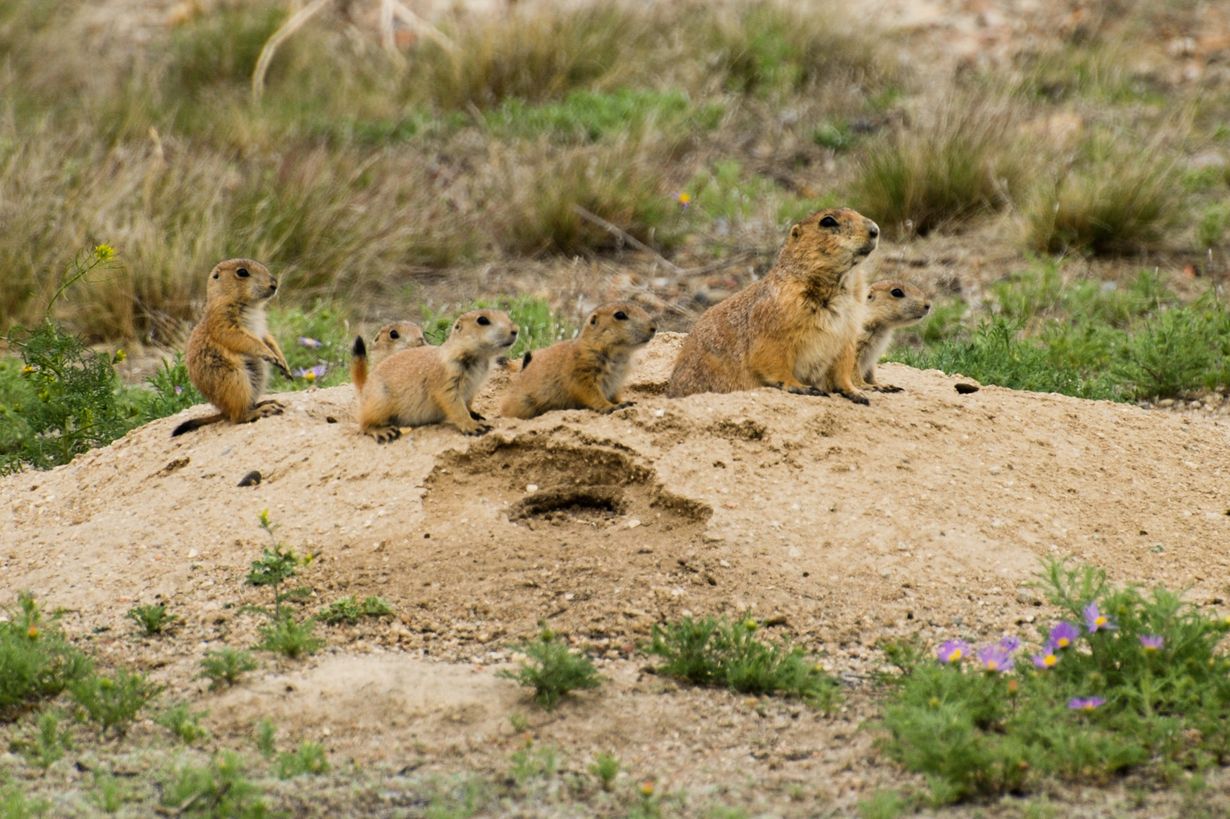
Have you ever wondered why Colorado's prairie dog towns are disappearing? These bustling communities, once teeming with life, now face numerous threats. Urban development, agriculture, and disease have all taken a toll on these small creatures and their habitats. Prairie dogs play a crucial role in the ecosystem, supporting other wildlife like hawks, foxes, and snakes. Their burrows even help aerate the soil, promoting plant growth. Understanding the reasons behind their decline can help us find ways to protect them. Let's dive into the factors causing this decline and explore what can be done to save these important animals.
The Disappearing Prairie Dog Towns of Colorado
Colorado's vast plains once teemed with prairie dog towns, bustling with activity. These small creatures, known for their complex burrow systems and social structures, are now facing a mysterious decline. Let's explore some of the places where these prairie dog towns have vanished.
1. Rocky Flats National Wildlife Refuge
Once a thriving habitat for prairie dogs, Rocky Flats National Wildlife Refuge has seen a significant drop in their population. This area, known for its diverse wildlife, now struggles to maintain its prairie dog colonies.
2. Pawnee National Grassland
Pawnee National Grassland, famous for its sweeping vistas and rich biodiversity, has also experienced a decline in prairie dog towns. These grasslands, once dotted with their burrows, now show fewer signs of these creatures.
3. Comanche National Grassland
Comanche National Grassland, located in southeastern Colorado, was once a stronghold for prairie dogs. However, recent years have seen a sharp decrease in their numbers, leaving many burrows abandoned.
4. Soapstone Prairie Natural Area
Soapstone Prairie Natural Area, known for its conservation efforts, has not been immune to the vanishing prairie dog towns. Despite efforts to protect these animals, their numbers continue to dwindle.
5. Fort Collins Natural Areas
Fort Collins Natural Areas, a network of protected lands, has also reported a decline in prairie dog populations. These areas, once bustling with prairie dog activity, now face the challenge of maintaining their ecological balance.
6. Boulder Open Space and Mountain Parks
Boulder Open Space and Mountain Parks, a popular destination for nature enthusiasts, has seen a noticeable reduction in prairie dog towns. Efforts to understand and mitigate this decline are ongoing.
7. Arapaho National Wildlife Refuge
Arapaho National Wildlife Refuge, located in North Park, has historically been a habitat for prairie dogs. However, recent observations indicate a troubling decrease in their populations.
8. Great Sand Dunes National Park and Preserve
Great Sand Dunes National Park and Preserve, known for its unique landscapes, has also witnessed the mysterious disappearance of prairie dog towns. These changes have raised concerns among conservationists.
9. Gunnison National Forest
Gunnison National Forest, with its diverse ecosystems, has not been spared from the decline of prairie dog populations. The reasons behind their disappearance remain unclear, prompting further investigation.
10. San Luis Valley
San Luis Valley, a region known for its agricultural and natural beauty, has also reported a reduction in prairie dog towns. This decline has implications for the local ecosystem and biodiversity.
11. Black Forest
Black Forest, an area rich in history and natural resources, has seen a decrease in prairie dog activity. The reasons for this decline are still being studied by researchers.
12. Pikes Peak Region
The Pikes Peak Region, famous for its stunning views and outdoor activities, has also experienced a drop in prairie dog populations. Conservation efforts are underway to address this issue.
13. Colorado Springs
Colorado Springs, a city surrounded by natural beauty, has reported fewer prairie dog towns in recent years. This decline has sparked interest among local wildlife enthusiasts and researchers.
14. Denver Metro Area
The Denver Metro Area, despite its urban setting, has historically supported prairie dog populations. However, recent trends show a decline in their numbers, raising questions about the future of these animals in the region.
15. South Park
South Park, a high-altitude basin known for its unique landscapes, has also seen a reduction in prairie dog towns. This decline has prompted efforts to understand and address the underlying causes.
The Future of Colorado's Prairie Dogs
Colorado's prairie dog towns are disappearing. Urban development, agriculture, and disease are major threats. These small creatures play a big role in the ecosystem. They help aerate the soil and provide food for predators. Losing them could harm other wildlife and plant life.
Conservation efforts are underway. Wildlife organizations and local communities are working to protect these animals. Creating protected areas and educating the public are key steps. Everyone can help by supporting these initiatives.
Understanding the importance of prairie dogs is crucial. They are more than just small rodents. Their presence indicates a healthy environment. Protecting them means preserving Colorado's natural heritage.
The future of prairie dogs depends on collective action. By working together, we can ensure these towns thrive once again. Let's make sure these vital creatures remain a part of Colorado's landscape.