

Secrets Of Colorado’s Vanishing Prairie Dog Cities
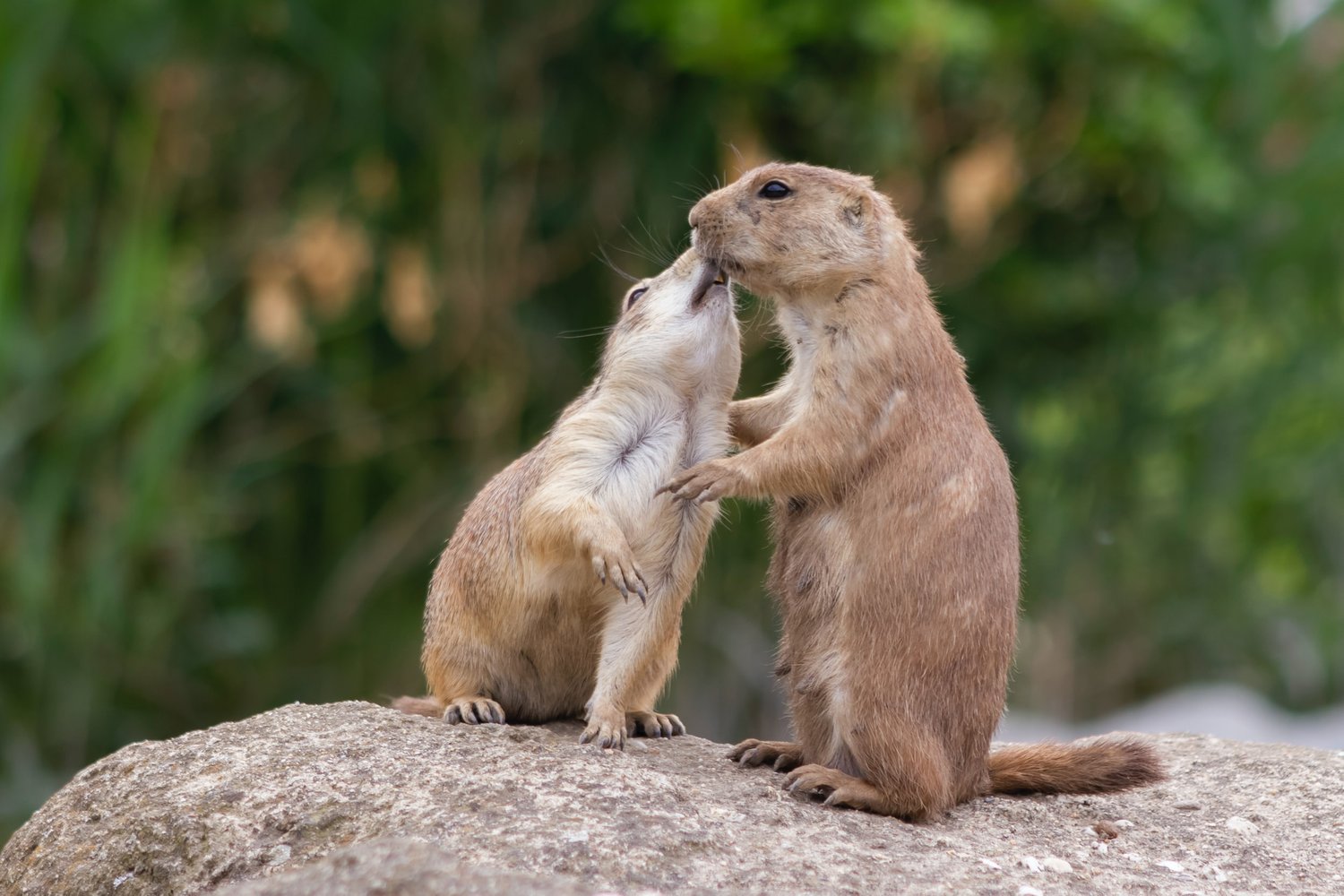
Have you ever wondered why prairie dogs are disappearing from Colorado's grasslands? These small, burrowing rodents play a crucial role in their ecosystem, yet their numbers are dwindling. Habitat loss, disease, and human activities are major threats to their survival. As urban areas expand, prairie dog colonies face destruction, pushing them to the brink. Understanding the reasons behind their decline can help us take steps to protect these important creatures. In this article, we'll explore the challenges prairie dogs face, their importance to the environment, and what can be done to ensure their survival. Let's dive into the world of Colorado's vanishing prairie dog cities.
The Enigmatic Prairie Dog Cities of Colorado
Colorado's vast landscapes hide some of nature's most intriguing secrets. Among them, the prairie dog cities stand out. These bustling underground metropolises are home to thousands of prairie dogs, creating a unique ecosystem. However, many of these cities are vanishing. Let's uncover some of the most fascinating prairie dog cities in Colorado and understand why they are disappearing.
1. Rocky Mountain Arsenal National Wildlife Refuge
Located just outside Denver, this refuge offers a glimpse into the lives of prairie dogs. The refuge is home to a thriving prairie dog town, where visitors can observe these creatures in their natural habitat. However, urban development and habitat loss threaten their existence.
2. Pawnee National Grassland
This expansive grassland in northeastern Colorado is a haven for wildlife, including prairie dogs. The grassland's open spaces provide an ideal environment for prairie dog colonies. Yet, agricultural activities and land use changes pose significant risks to their survival.
3. Soapstone Prairie Natural Area
Situated near Fort Collins, Soapstone Prairie is known for its rich biodiversity. The area supports several prairie dog colonies, contributing to the ecosystem's health. Unfortunately, climate change and human encroachment are impacting these colonies.
4. Comanche National Grassland
In southeastern Colorado, Comanche National Grassland is another critical habitat for prairie dogs. The grassland's rolling plains and sparse vegetation make it perfect for prairie dog towns. However, disease outbreaks and predator pressures are causing population declines.
5. Great Sand Dunes National Park and Preserve
This unique park, famous for its towering sand dunes, also hosts prairie dog colonies. The diverse landscape provides a mix of habitats for various wildlife, including prairie dogs. Despite this, recreational activities and environmental changes threaten their habitats.
6. Arapaho National Wildlife Refuge
Nestled in North Park, this refuge is a sanctuary for many species, including prairie dogs. The refuge's wetlands and grasslands offer a safe haven for these animals. Nevertheless, water management practices and invasive species are challenges they face.
7. Gunnison National Forest
Gunnison National Forest, with its diverse terrain, supports several prairie dog colonies. The forest's meadows and open areas are ideal for prairie dog towns. However, forest management practices and climate variability are affecting their populations.
8. Pawnee Buttes
These striking geological formations in the Pawnee National Grassland are surrounded by prairie dog colonies. The buttes provide a scenic backdrop for observing these creatures. Yet, oil and gas exploration in the area pose significant threats to their habitats.
9. Chico Basin Ranch
This working cattle ranch near Colorado Springs is also a conservation area. The ranch's grasslands support a variety of wildlife, including prairie dogs. However, balancing ranching activities with conservation efforts remains a challenge.
10. South Park National Heritage Area
Located in central Colorado, this heritage area encompasses a diverse landscape. Prairie dog colonies thrive in the open grasslands, contributing to the area's ecological richness. Nonetheless, land development and recreational pressures are impacting their habitats.
11. Baca National Wildlife Refuge
Part of the San Luis Valley, Baca National Wildlife Refuge is a critical habitat for prairie dogs. The refuge's wetlands and grasslands provide essential resources for these animals. However, water scarcity and habitat fragmentation are ongoing concerns.
12. Piceance Basin
This remote area in western Colorado is known for its energy resources. Despite the industrial activities, prairie dog colonies persist in the basin's grasslands. Yet, energy development and land use changes are significant threats to their survival.
13. Rabbit Valley
Located near the Colorado-Utah border, Rabbit Valley is a hidden gem for wildlife enthusiasts. The valley's open spaces and rocky outcrops are home to prairie dog colonies. However, off-road vehicle use and habitat degradation are challenges they face.
14. Blanca Wetlands
These wetlands in the San Luis Valley are a vital habitat for many species, including prairie dogs. The wetlands' unique ecosystem supports diverse wildlife. Nonetheless, water management and climate change are impacting their habitats.
15. Dinosaur National Monument
Straddling the Colorado-Utah border, this monument is famous for its dinosaur fossils. It also hosts prairie dog colonies in its grasslands. However, tourism and environmental changes pose threats to their survival.
The Future of Colorado's Prairie Dogs
Colorado's prairie dog cities face serious challenges. Urban development, agriculture, and disease threaten their survival. These small creatures play a big role in maintaining the health of grasslands. They help aerate the soil, which benefits other animals and plants.
Conservation efforts are crucial. Protecting their habitats and creating awareness can make a difference. Organizations and volunteers are working hard to ensure these animals don't disappear. Supporting these efforts can help preserve the unique ecosystems they support.
Next time you visit Colorado, take a moment to appreciate the prairie dogs. Their survival depends on our actions today. By understanding their importance and advocating for their protection, we can help ensure they remain a part of Colorado's landscape for generations to come.
