

Secrets Of Colorado’s Square Tower House
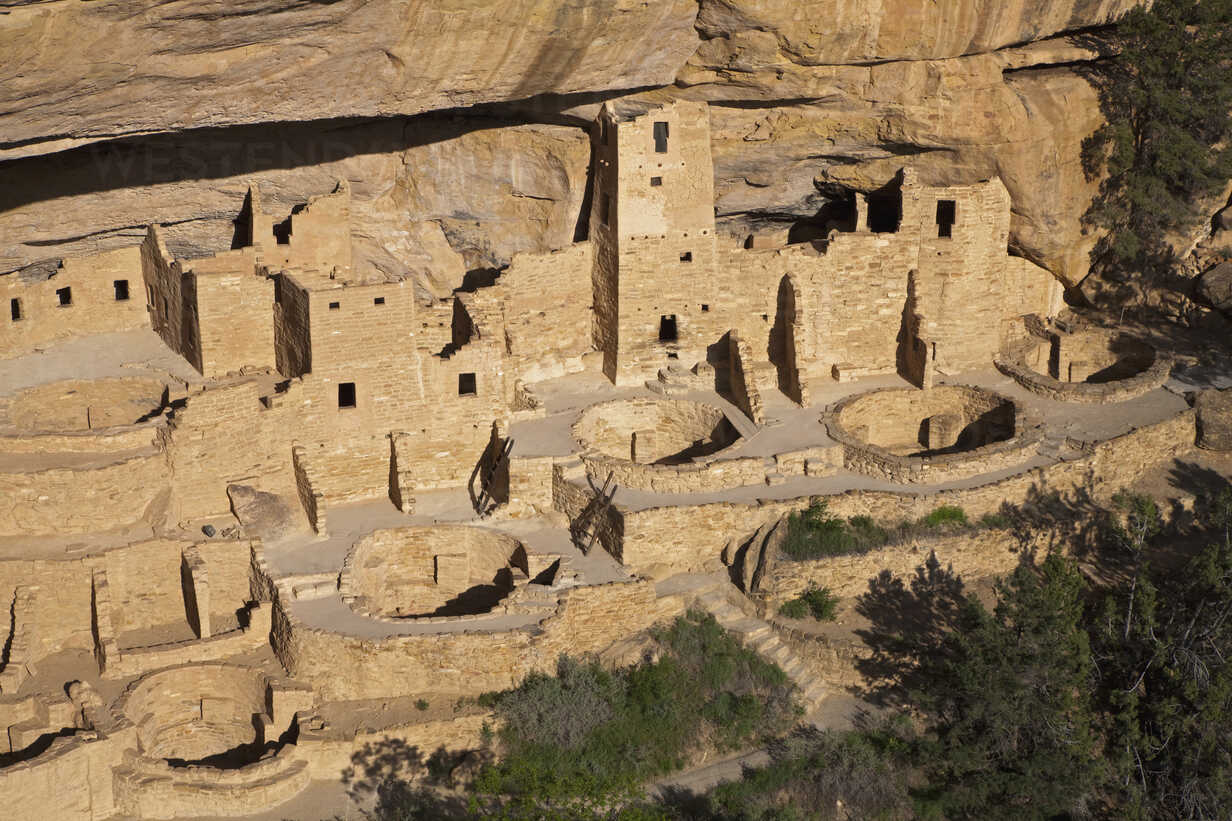
Have you ever wondered what secrets lie within Colorado's Square Tower House? This ancient cliff dwelling, located in Mesa Verde National Park, offers a glimpse into the lives of the Ancestral Puebloans. Built over 700 years ago, the Square Tower House stands as one of the tallest structures in the park, reaching four stories high. Visitors marvel at its intricate design, which includes kivas, storage rooms, and living spaces. The surrounding landscape, with its rugged cliffs and sweeping vistas, adds to the site's mystique. Whether you're a history buff or just love exploring unique places, the Square Tower House is a must-see destination.
Secrets of Colorado's Square Tower House
Colorado's Square Tower House, a marvel of ancient architecture, holds many secrets. This cliff dwelling, located in Mesa Verde National Park, offers a glimpse into the lives of the Ancestral Puebloans. Let's uncover some of the most intriguing aspects of this historical site.
The Tower Itself
The Square Tower House stands out due to its unique structure. This four-story tower is the tallest in Mesa Verde, showcasing the architectural prowess of its builders.
Height and Structure: The tower reaches an impressive height of 26 feet. Its construction demonstrates advanced masonry skills, with carefully shaped stones and mud mortar.
Purpose: The exact purpose of the tower remains a mystery. It might have served as a lookout, a ceremonial space, or even a storage area.
Interior Layout: Inside, the tower features multiple rooms and levels. Each floor has small windows, possibly for ventilation or defense.
The Kivas
Kivas are circular, subterranean rooms found in many Ancestral Puebloan sites. They played a crucial role in the community's spiritual and social life.
Design: The kivas at Square Tower House are built into the cliff face. They have a distinctive circular shape, with a fire pit in the center and a ventilator shaft.
Function: These rooms were likely used for religious ceremonies and community gatherings. The kiva's design reflects the importance of these activities in daily life.
Symbolism: The kiva's circular shape symbolizes the earth and sky. The fire pit represents the hearth, a central element in Puebloan culture.
The Cliff Dwellings
The cliff dwellings at Square Tower House provide insight into the daily lives of the Ancestral Puebloans. These homes were ingeniously built into the cliff face, offering protection and stability.
Construction: The dwellings were constructed using sandstone blocks and mud mortar. The builders utilized natural rock formations to create sturdy, weather-resistant homes.
Living Spaces: Each dwelling contained multiple rooms, including living quarters, storage areas, and workspaces. The layout reflects a well-organized community.
Access: Residents accessed their homes using hand-and-toe holds carved into the cliff face. This method provided security and limited access to outsiders.
Artifacts and Tools
Artifacts found at Square Tower House offer a glimpse into the daily activities and craftsmanship of its inhabitants.
Pottery: The Ancestral Puebloans created intricate pottery, often decorated with geometric patterns. These pieces were used for cooking, storage, and ceremonial purposes.
Tools: Stone tools, such as axes and knives, were essential for daily tasks. These tools were expertly crafted and demonstrate a deep understanding of materials and techniques.
Textiles: Fragments of woven textiles have been discovered, showcasing the skill of Puebloan weavers. These textiles were made from plant fibers and animal hair.
The Environment
The environment surrounding Square Tower House played a significant role in the lives of its inhabitants. The Ancestral Puebloans adapted to their surroundings, utilizing natural resources for survival.
Water Sources: Springs and seeps provided essential water for drinking, cooking, and agriculture. The proximity to water sources influenced the location of the dwellings.
Agriculture: The Puebloans practiced dry farming, growing crops such as corn, beans, and squash. They used terraces and check dams to manage water and soil.
Wildlife: The area was home to various animals, including deer, rabbits, and birds. These animals provided food, clothing, and tools for the community.
Preservation Efforts
Preserving Square Tower House is crucial for understanding and appreciating the Ancestral Puebloan culture. Ongoing efforts ensure that this historical site remains intact for future generations.
Restoration: Archaeologists and conservators work to stabilize and restore the structures. This involves repairing masonry, reinforcing walls, and protecting the site from erosion.
Research: Ongoing research helps uncover new information about the site and its inhabitants. This includes studying artifacts, analyzing construction techniques, and interpreting the cultural significance of the dwellings.
Education: Educational programs and guided tours help visitors appreciate the history and significance of Square Tower House. These efforts promote awareness and encourage preservation.
Square Tower House stands as a testament to the ingenuity and resilience of the Ancestral Puebloans. By exploring its secrets, we gain a deeper understanding of their remarkable culture and achievements.
Discovering Square Tower House
Square Tower House in Colorado offers a unique glimpse into ancient Puebloan life. This site, located in Mesa Verde National Park, stands out for its well-preserved structures and rich history. Visitors can explore the multi-story towers, kivas, and living spaces that once housed a thriving community.
The intricate masonry and strategic location of Square Tower House highlight the ingenuity of its builders. Guided tours provide deeper insights into the daily lives, culture, and challenges faced by the Puebloans. The surrounding landscape adds to the experience, offering stunning views and a sense of connection to the past.
Whether you're a history buff or just looking for a unique adventure, Square Tower House is a must-see. Its blend of natural beauty and historical significance makes it a standout destination in Colorado. Plan your visit to step back in time and appreciate this remarkable archaeological site.
