

Hidden Military Bunkers In Colorado’s Cheyenne Mountain Complex
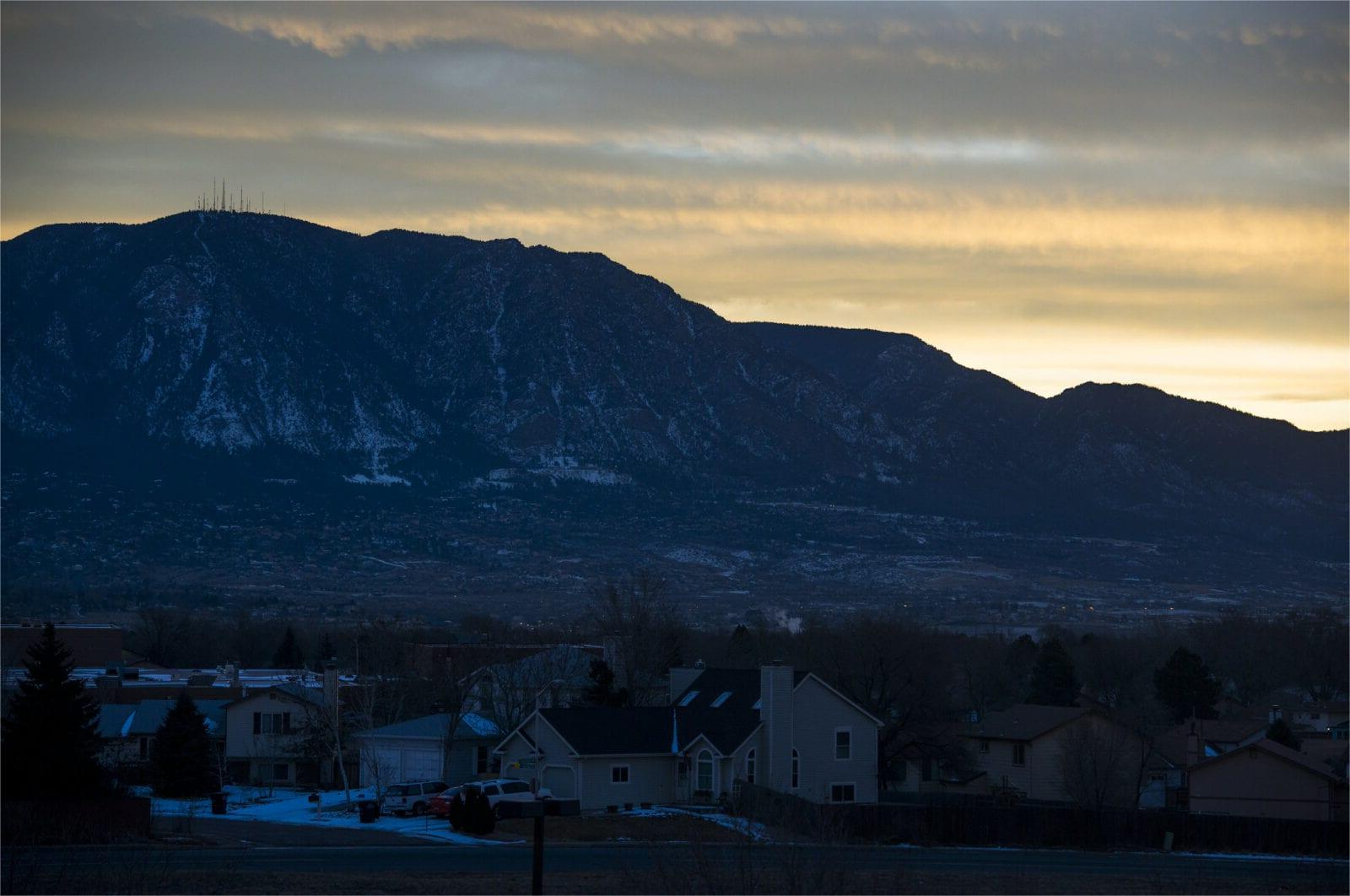
Ever wondered about the secrets hidden deep within Colorado's mountains? The Cheyenne Mountain Complex is one of those intriguing places. Built during the Cold War, this massive bunker system was designed to withstand a nuclear attack. Today, it serves as a critical military installation, housing operations for NORAD and the U.S. Northern Command. Imagine a place where tunnels stretch for miles, filled with high-tech equipment and bustling with activity. It's not just a relic of the past; it's a vital part of national security. Curious to learn more about this hidden fortress? Let's take a closer look at what makes the Cheyenne Mountain Complex so fascinating.
Hidden Military Bunkers in Colorado's Cheyenne Mountain Complex
The Cheyenne Mountain Complex in Colorado is a marvel of military engineering. Nestled deep within the Rocky Mountains, this facility has been shrouded in mystery and intrigue for decades. Let's take a closer look at some of the hidden military bunkers within this iconic complex.
The Main Operations Center
The heart of the Cheyenne Mountain Complex is the Main Operations Center. This is where the magic happens, with military personnel monitoring global threats 24/7.
- Blast Doors: Massive 25-ton blast doors protect the entrance, designed to withstand a nuclear blast.
- Command Center: Equipped with advanced technology, the command center coordinates defense operations.
- Survival Facilities: Includes living quarters, medical facilities, and food supplies to sustain personnel for extended periods.
The Alternate Command Post
In case the Main Operations Center becomes compromised, the Alternate Command Post serves as a backup.
- Redundant Systems: Mirrors the capabilities of the main center to ensure continuous operations.
- Secure Communications: Features secure lines for uninterrupted communication with military and government leaders.
- Emergency Power: Independent power sources keep the post operational during outages.
The Missile Warning Center
The Missile Warning Center is crucial for detecting and responding to missile threats.
- Radar Systems: Advanced radar systems track missile launches worldwide.
- Data Analysis: Teams analyze data to determine the threat level and appropriate response.
- Alert Systems: Immediate alerts are sent to military and government officials.
The Space Control Center
Monitoring space activities is vital for national security, and the Space Control Center handles this task.
- Satellite Tracking: Tracks satellites and space debris to prevent collisions.
- Space Surveillance: Monitors potential threats from space, including enemy satellites.
- Coordination with NASA: Works closely with NASA for space missions and threat assessments.
The Civil Engineering Support
Maintaining the complex requires a dedicated team of engineers and support staff.
- Infrastructure Maintenance: Ensures all systems and structures remain in top condition.
- Environmental Controls: Manages air quality, temperature, and other environmental factors.
- Logistics: Coordinates the supply of necessary materials and equipment.
The Cyber Defense Center
In the digital age, cyber threats are a significant concern. The Cyber Defense Center protects against these dangers.
- Network Security: Monitors and defends against cyber-attacks on military networks.
- Incident Response: Quickly addresses and mitigates cyber incidents.
- Cyber Intelligence: Gathers intelligence on potential cyber threats and adversaries.
The Medical Facilities
Ensuring the health and well-being of personnel is a top priority, and the medical facilities are equipped to handle various emergencies.
- Emergency Care: Provides immediate medical attention for injuries and illnesses.
- Long-term Care: Facilities for extended medical treatment and recovery.
- Mental Health Support: Offers counseling and support for mental health issues.
The Training and Simulation Center
Preparing personnel for various scenarios is essential, and the Training and Simulation Center plays a key role.
- Simulated Environments: Realistic simulations for training in different scenarios.
- Skill Development: Programs to enhance the skills and readiness of military personnel.
- Continuous Learning: Ongoing training to keep up with evolving threats and technologies.
The Secure Storage Vaults
Sensitive materials and equipment require secure storage, and the vaults provide this protection.
- Classified Documents: Secure storage for top-secret documents and information.
- Special Equipment: Safeguards specialized military equipment.
- Access Control: Strict access control measures to prevent unauthorized entry.
The Enduring Mystery of Cheyenne Mountain Complex
Cheyenne Mountain Complex remains a fascinating piece of military history. Its hidden bunkers, built during the Cold War, still capture imaginations. This underground fortress, designed to withstand nuclear attacks, showcases human ingenuity and resilience. While much of the complex's operations remain classified, its role in national defense is undeniable. Visiting Colorado Springs offers a glimpse into this mysterious world, where past and present intersect. The complex stands as a testament to the lengths taken to protect a nation. Whether you're a history buff or just curious, Cheyenne Mountain Complex is a must-see. Its enduring mystery continues to intrigue, reminding us of the hidden stories beneath our feet. Exploring this site offers a unique perspective on military history and the efforts to safeguard our future.
