

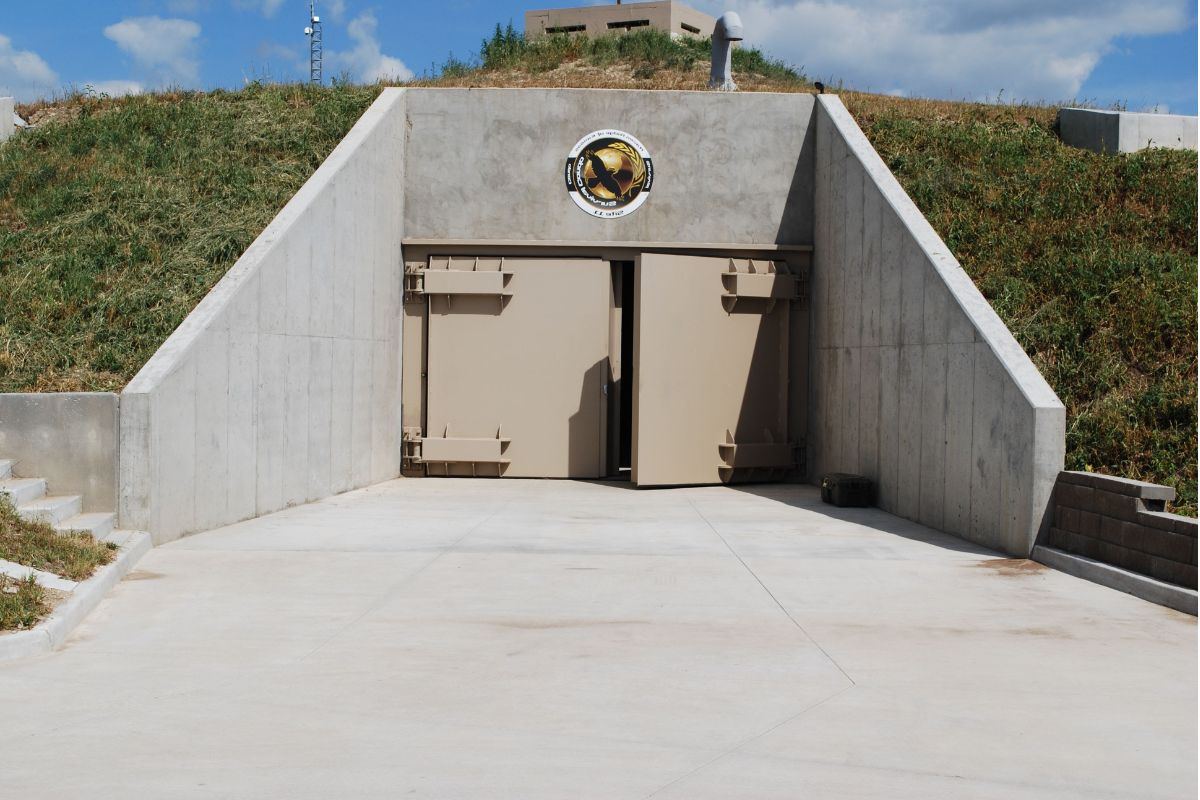
What lies beneath the Midwest’s quiet fields and small towns? A hidden network of underground bunkers, built for war, secrecy, and survival, still waits to be explored. These subterranean structures—some abandoned, some repurposed—offer a rare window into a past shaped by nuclear fear and military strategy.
Hidden Underground Bunkers in the Midwest
The Midwest is known for its vast plains, rolling hills, and charming small towns. But beneath this serene landscape lies a network of hidden underground bunkers. These bunkers, built during different periods, served various purposes from military defense to emergency shelters.
Military Bunkers
During the Cold War, the fear of nuclear attacks led to the construction of numerous military bunkers across the Midwest. These bunkers were designed to withstand blasts and protect vital personnel and equipment.
-
Wright-Patterson Air Force Base, Ohio
This base reportedly houses several underground bunkers built to protect against nuclear threats. Some of these bunkers are still in use today for secure storage and command centers. -
Whiteman Air Force Base, Missouri
Known for its B-2 Spirit bombers, Whiteman AFB reportedly also has a network of underground bunkers. These bunkers were designed to safeguard military assets and personnel during potential attacks.
Government Bunkers
Government agencies also constructed bunkers to ensure continuity of operations during emergencies. These bunkers were often top-secret and heavily guarded.
-
Mount Weather Emergency Operations Center, Virginia
Although not strictly in the Midwest, Mount Weather is a critical government bunker that reportedly serves as a model for similar structures in the region. It provides a secure location for government officials during crises. -
Raven Rock Mountain Complex, Pennsylvania
Another key government bunker, Raven Rock, is reportedly designed to serve as an alternate command center for the Pentagon. Its construction inspired similar facilities in the Midwest.
Civil Defense Bunkers
During the height of the Cold War, civil defense bunkers were built to protect civilians from potential nuclear attacks. These bunkers were often located in public buildings or private homes.
-
Greenbrier Bunker, West Virginia
Hidden beneath the Greenbrier Resort, this bunker was reportedly intended to house Congress in the event of a nuclear war. Its existence was a closely guarded secret until it was declassified in the 1990s. -
Kansas City Public Library, Missouri
The library’s basement once served as a civil defense bunker, complete with supplies and equipment to support the local population during emergencies.
Private Bunkers
Some individuals and families built private bunkers for personal safety. These bunkers range from simple shelters to elaborate underground homes.
-
Survival Condo, Kansas
This luxury bunker, reportedly built in a former missile silo, offers high-end amenities and security features. It provides a safe haven for those who can afford its steep price tag. -
Vivos xPoint, South Dakota
Located in a former military munitions depot, Vivos xPoint reportedly offers private bunkers for families. Each bunker can be customized to meet the owner’s needs, providing a secure retreat in times of crisis.
Abandoned Bunkers
Not all bunkers remain in use. Some have been abandoned and forgotten, left to decay beneath the surface.
-
Nike Missile Sites, Illinois
These sites, part of a nationwide defense network, were reportedly abandoned after the Cold War. Many of the bunkers remain, hidden beneath overgrown vegetation and forgotten by time. -
Atlas E Missile Silo, Nebraska
Once a critical part of the U.S. nuclear arsenal, this missile silo reportedly now stands empty. Its underground bunker, however, still exists, a relic of a bygone era.
Hidden underground bunkers in the Midwest offer a glimpse into a world of secrecy and preparedness. Whether built for military, government, civil defense, or private use, these bunkers tell a story of the region’s history and resilience.
Discovering the Midwest’s Hidden Bunkers
Exploring hidden underground bunkers in the Midwest offers a unique glimpse into history. These bunkers, often overlooked, tell stories of past conflicts and preparations for uncertain times. Visiting places like the Greenbrier Bunker or the Cheyenne Mountain Complex can be both educational and thrilling. Each site has its own tale, from Cold War secrets to modern-day uses.
Planning a trip to these bunkers can be an exciting adventure. Remember to check for any visitor restrictions or required permissions. Whether you’re a history buff or just looking for something different, these hidden gems provide a fascinating experience. So next time you’re in the Midwest, consider adding a bunker tour to your itinerary. You might just uncover a piece of history you never knew existed.
Related travel guides: Hidden Underground Bunkers In Colorado and Hidden Bunkers Beneath Nevada.
