Secrets Of Marine Conservation In Monterey Bay
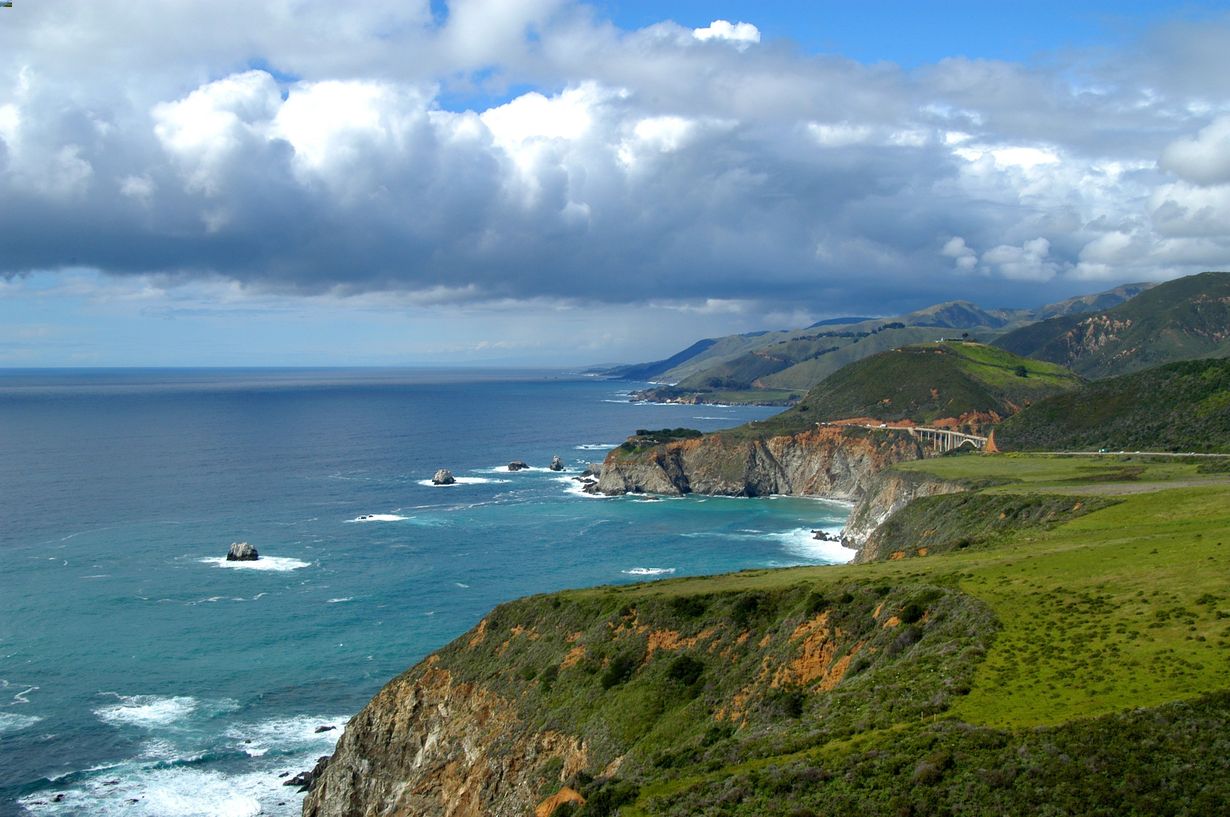
Have you ever wondered what makes Monterey Bay such a special place for marine life? This stunning coastal area in California is not just a beautiful spot for tourists. It's also a vital hub for marine conservation. The bay is home to a diverse range of species, from playful sea otters to majestic whales. Efforts to protect these creatures and their habitats are ongoing, involving scientists, volunteers, and local communities. By learning about these conservation efforts, you can gain a deeper appreciation for the natural world and maybe even get inspired to help protect it. Ready to dive into the secrets of Monterey Bay?
Secrets of Marine Conservation in Monterey Bay
Monterey Bay is a treasure chest of marine life, offering a glimpse into the wonders of the ocean. This area is not just about stunning views but also about the incredible efforts to conserve marine life. Let's dive into some of the best spots to witness these conservation efforts firsthand.
Monterey Bay Aquarium
The Monterey Bay Aquarium is a must-visit for anyone interested in marine conservation. This world-renowned facility offers a deep dive into the ocean's mysteries and the efforts to protect them.
Kelp Forest Exhibit: This towering exhibit showcases the importance of kelp forests in marine ecosystems. Watch as leopard sharks, wolf eels, and other marine creatures navigate through the swaying kelp.
Open Sea Exhibit: Witness the vastness of the ocean in this massive tank. Schools of sardines, sea turtles, and even hammerhead sharks swim gracefully, highlighting the need for open sea conservation.
Sea Otter Exhibit: These playful creatures are a joy to watch. Learn about the efforts to rescue and rehabilitate sea otters, a keystone species in the marine environment.
Elkhorn Slough
Elkhorn Slough is one of California's largest wetlands and a crucial habitat for many species. It's a fantastic place to see conservation in action.
Kayak Tours: Paddle through the slough and get up close with sea otters, harbor seals, and a variety of bird species. Guides often share insights into the conservation efforts underway.
Bird Watching: With over 340 species of birds, Elkhorn Slough is a bird watcher's paradise. Spotting rare and endangered species highlights the importance of preserving these habitats.
Research Center: Visit the Elkhorn Slough National Estuarine Research Reserve to learn about the scientific research aimed at protecting this vital ecosystem.
Point Lobos State Natural Reserve
Point Lobos is often called the "crown jewel" of California's state park system. Its rich marine life and stunning landscapes make it a prime spot for conservation.
Whale Watching: From December to May, gray whales migrate along the coast. Seeing these majestic creatures emphasizes the importance of marine conservation.
Diving and Snorkeling: The underwater world of Point Lobos is teeming with life. Divers and snorkelers can witness the vibrant marine ecosystems that conservation efforts aim to protect.
Hiking Trails: Trails like the Cypress Grove Trail offer breathtaking views of the ocean and opportunities to spot sea lions, harbor seals, and sea otters.
Moss Landing
Moss Landing is a small town with a big role in marine conservation. It's home to several research institutions and offers unique ways to engage with marine life.
Marine Laboratories: Institutions like the Moss Landing Marine Laboratories conduct crucial research on marine ecosystems. Tours often provide a behind-the-scenes look at their work.
Boat Tours: Take a boat tour to see dolphins, whales, and sea otters. These tours often include information on conservation efforts and the importance of protecting marine habitats.
Harbor Seals: The beaches around Moss Landing are popular haul-out spots for harbor seals. Watching these animals in their natural habitat underscores the need for conservation.
Pacific Grove
Pacific Grove, known for its stunning coastline, also plays a significant role in marine conservation. Its efforts to protect marine life are evident in various spots around town.
Lover's Point Park: This park offers beautiful views and a chance to see marine life up close. Tide pools here are teeming with life, showcasing the importance of preserving these delicate ecosystems.
Monarch Butterfly Sanctuary: While not marine life, the sanctuary highlights the interconnectedness of ecosystems. Protecting one species often helps others, including marine life.
Asilomar State Beach: This beach is a great spot for tide pooling and observing marine life. Conservation efforts here help maintain the health of the coastal ecosystem.
Protecting Monterey Bay's Marine Life
Monterey Bay's marine conservation efforts are crucial for preserving its rich biodiversity. The bay's unique ecosystem supports countless species, from playful sea otters to majestic whales. By supporting local conservation programs, reducing plastic use, and respecting marine life, everyone can contribute to protecting this natural treasure.
Visiting Monterey Bay offers a chance to witness the beauty of marine life up close. Whether exploring the Monterey Bay Aquarium, kayaking through kelp forests, or simply enjoying the scenic coastline, each experience highlights the importance of conservation.
Every small action helps. Participate in beach cleanups, support sustainable seafood choices, and spread awareness about marine conservation. Together, these efforts ensure that Monterey Bay remains a vibrant sanctuary for future generations. Protecting this marine haven is a shared responsibility, and every visitor can make a positive impact.