

Secrets Of Arizona’s Mount Graham Observatories
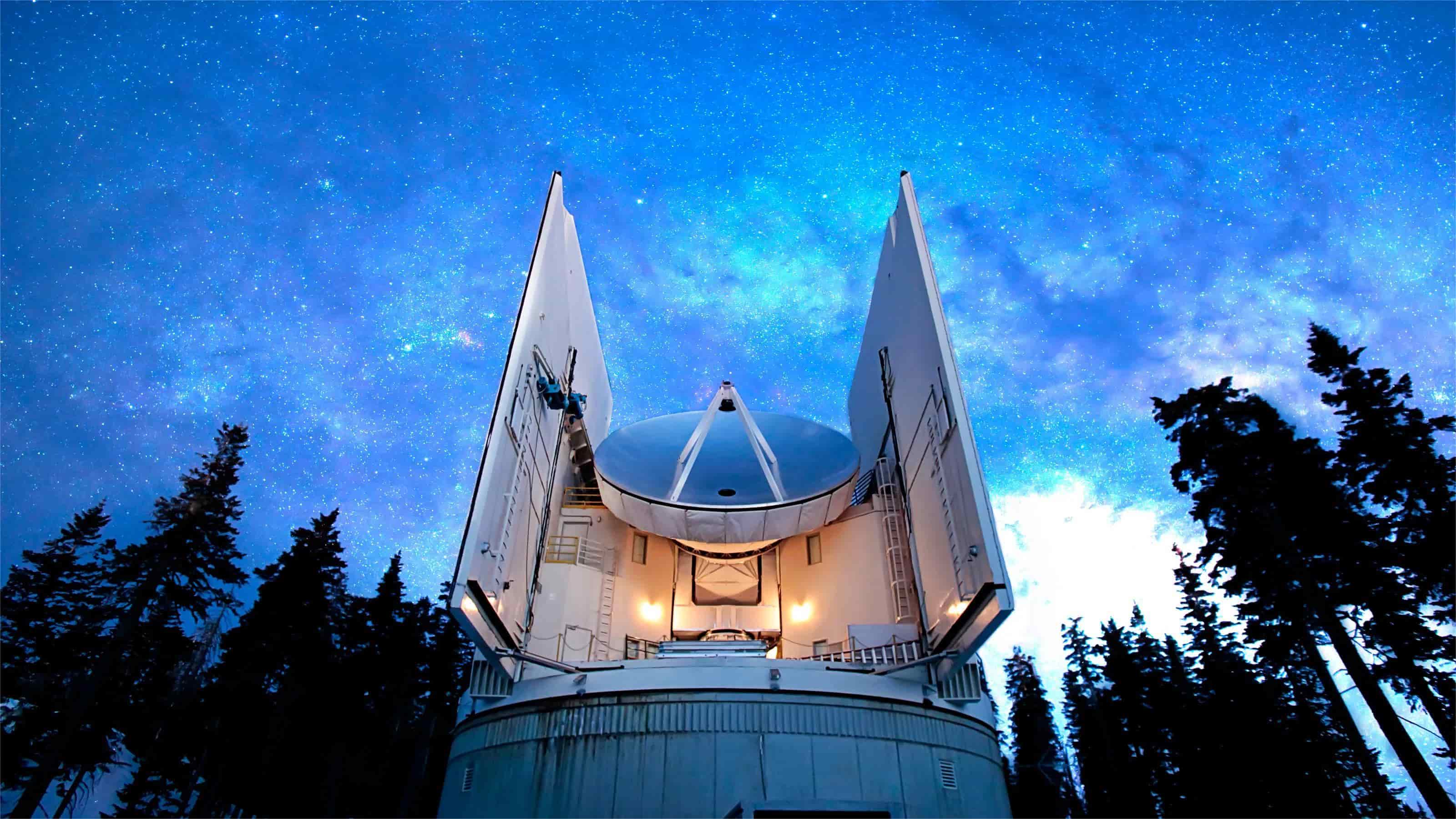
Have you ever wondered what makes Mount Graham in Arizona so special? This towering peak isn't just a natural wonder; it’s also home to some of the world's most advanced observatories. Perched high above the desert, these observatories offer a unique glimpse into the universe. Scientists from around the globe flock here to study the stars, planets, and galaxies. But it's not just for researchers. Visitors can also experience the magic of the night sky through guided tours and special events. Whether you're an astronomy buff or just curious, Mount Graham has something to offer everyone.
Secrets of Arizona's Mount Graham Observatories
Mount Graham in Arizona is home to some of the world's most advanced observatories. Nestled in the Pinaleño Mountains, these observatories offer a unique glimpse into the universe. Let's explore the secrets of these astronomical marvels.
The Large Binocular Telescope
The Large Binocular Telescope (LBT) is one of the most powerful optical telescopes in the world. It boasts two 8.4-meter mirrors that work together to provide unparalleled views of the cosmos.
- Dual Mirrors: The LBT's twin mirrors allow it to capture images with incredible detail, making it possible to observe distant galaxies and nebulae.
- Adaptive Optics: This technology corrects for atmospheric distortions, ensuring that the images are sharp and clear.
- Infrared Capabilities: The LBT can observe in the infrared spectrum, revealing objects that are invisible to the naked eye.
The Vatican Advanced Technology Telescope
The Vatican Advanced Technology Telescope (VATT) is a testament to the Vatican's long-standing interest in astronomy. This telescope is known for its innovative design and cutting-edge technology.
- Lightweight Mirror: VATT features a lightweight, 1.8-meter mirror that reduces the overall weight of the telescope, making it easier to maneuver.
- High-Resolution Imaging: The telescope's advanced optics provide high-resolution images of celestial objects, aiding in the study of stars and galaxies.
- Collaborative Research: VATT is used by astronomers from around the world, fostering international collaboration in the field of astronomy.
The Submillimeter Telescope
The Submillimeter Telescope (SMT) specializes in observing the universe at submillimeter wavelengths. This allows astronomers to study cold, dusty regions of space that are otherwise difficult to observe.
- Cold Universe: SMT excels at detecting emissions from cold objects, such as molecular clouds and star-forming regions.
- Interstellar Medium: The telescope helps researchers understand the composition and behavior of the interstellar medium, the matter that exists between stars.
- Cosmic Dust: By studying cosmic dust, SMT provides insights into the formation and evolution of galaxies.
The Heinrich Hertz Submillimeter Telescope
The Heinrich Hertz Submillimeter Telescope (HHST) is another key player in the study of submillimeter astronomy. It shares many similarities with SMT but has its own unique features.
- High Sensitivity: HHST's high sensitivity allows it to detect faint signals from distant objects, making it ideal for studying the early universe.
- Polarization Studies: The telescope can measure the polarization of light, providing valuable data on magnetic fields in space.
- Star Formation: HHST contributes to our understanding of star formation by observing the dense cores of molecular clouds where stars are born.
The Discovery Channel Telescope
The Discovery Channel Telescope (DCT) is a relatively new addition to Mount Graham's observatories. It combines modern technology with a focus on public outreach and education.
- Public Engagement: DCT offers programs and events that engage the public, making astronomy accessible to everyone.
- Wide Field of View: The telescope's wide field of view allows it to survey large areas of the sky, making it ideal for discovering new celestial objects.
- Cutting-Edge Instruments: DCT is equipped with state-of-the-art instruments that enhance its observational capabilities, from imaging to spectroscopy.
The Mount Graham International Observatory
The Mount Graham International Observatory (MGIO) is a collective effort involving multiple institutions. It serves as a hub for astronomical research and collaboration.
- Diverse Telescopes: MGIO hosts a variety of telescopes, each specializing in different areas of astronomy.
- Research Opportunities: The observatory provides opportunities for researchers to conduct groundbreaking studies in various fields of astronomy.
- Educational Programs: MGIO offers educational programs that inspire the next generation of astronomers and scientists.
Why You Should Visit Mount Graham Observatories
Mount Graham Observatories offer a unique experience for astronomy lovers. The clear skies and high elevation make it perfect for stargazing. You can see planets, stars, and galaxies like never before. The Large Binocular Telescope is one of the most powerful in the world. It provides amazing views of the universe. Guided tours give you a chance to learn from experts. They explain how the telescopes work and what you are seeing. The area around the observatories is also beautiful. You can enjoy hiking and nature watching during the day. Visiting Mount Graham Observatories is a great way to connect with the universe and nature. It’s an adventure you won’t forget. Plan your trip and get ready for an unforgettable experience.
