

Secrets Of Arizona’s Desert Climate Change Research
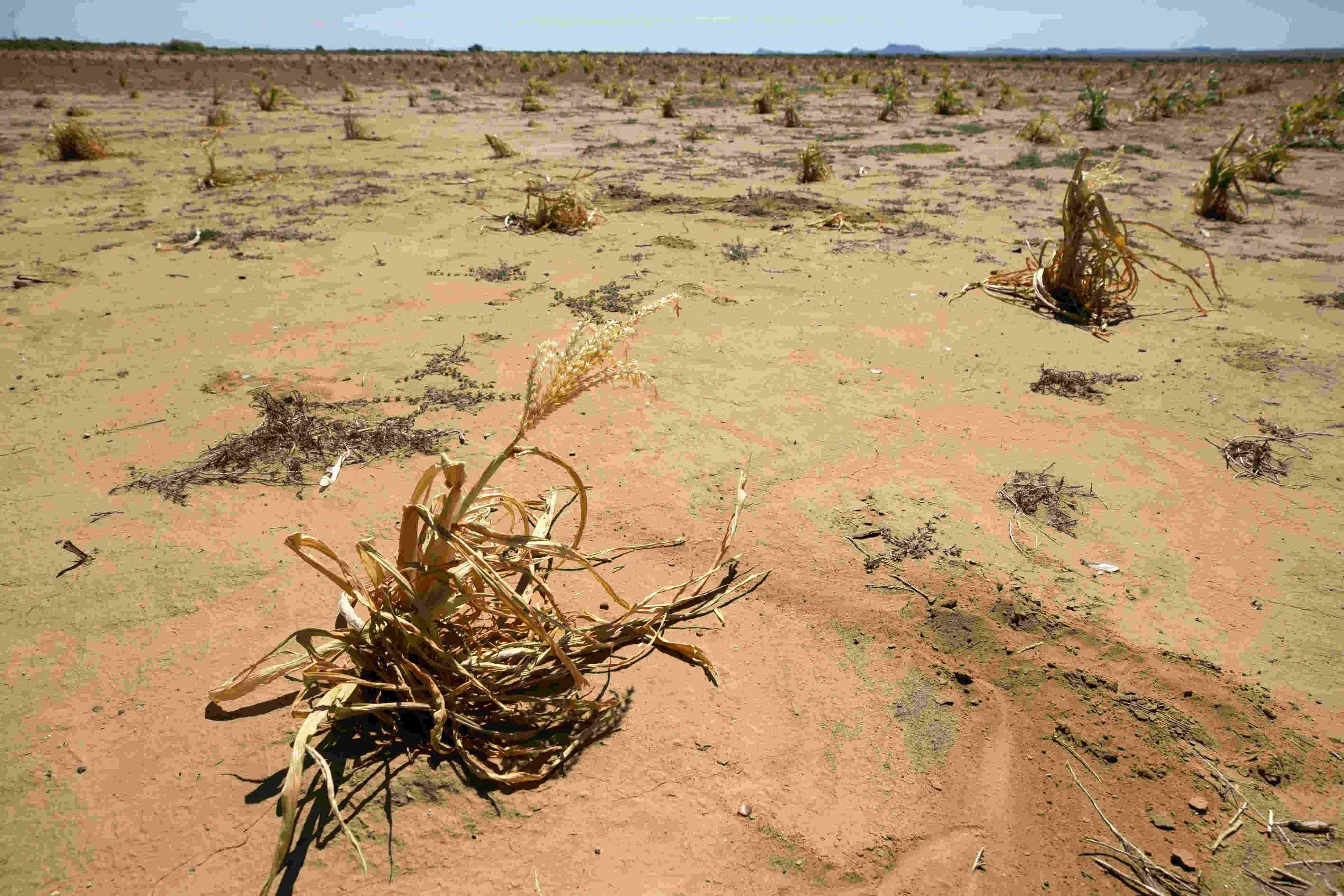
Have you ever wondered how Arizona's desert climate is changing? Scientists are studying this unique environment to understand the effects of climate change. The desert might seem unchanging, but it's actually very sensitive to shifts in temperature and rainfall. Researchers are finding out how plants, animals, and even the landscape itself are adapting. This information helps predict future changes and guides efforts to protect these fragile ecosystems. Whether you're a nature lover or just curious about the world, learning about Arizona's desert climate change research can be both fascinating and important. Let's dive into what scientists have discovered so far.
Arizona's Unique Desert Climate
Arizona's desert climate is a fascinating subject for researchers. The state offers a unique environment where extreme temperatures and arid conditions create a natural laboratory for studying climate change. Here are some key places where groundbreaking research is happening.
1. University of Arizona's Biosphere 2
Biosphere 2 is a massive research facility in Oracle, Arizona. It houses various ecosystems under one roof, allowing scientists to study how climate change affects different environments. The facility includes a rainforest, an ocean with a coral reef, and even a desert. Researchers use these controlled settings to simulate future climate scenarios.
2. Arizona State University's Global Institute of Sustainability
Located in Tempe, Arizona State University's Global Institute of Sustainability focuses on finding solutions to environmental challenges. The institute conducts extensive research on desert ecosystems, water management, and renewable energy. Their work aims to make desert living more sustainable in the face of climate change.
3. Desert Botanical Garden
Situated in Phoenix, the Desert Botanical Garden is more than just a beautiful place to visit. It serves as a research hub for studying desert plants and their adaptations to extreme conditions. Scientists here are particularly interested in how these plants can survive prolonged droughts and high temperatures, offering insights into future agricultural practices.
4. Saguaro National Park
Saguaro National Park, near Tucson, is home to the iconic saguaro cactus. Researchers study these giant cacti to understand how they cope with the harsh desert climate. The park provides valuable data on plant resilience and adaptation, crucial for predicting how desert ecosystems will respond to climate change.
5. Arizona-Sonora Desert Museum
The Arizona-Sonora Desert Museum in Tucson combines a zoo, botanical garden, and natural history museum. It offers a comprehensive look at the Sonoran Desert's flora and fauna. Researchers here focus on the interactions between different species and their environment, providing a holistic view of desert ecosystems.
6. Walnut Gulch Experimental Watershed
Located near Tombstone, the Walnut Gulch Experimental Watershed is a key site for hydrological research. Scientists study how water moves through the desert landscape, which is vital for managing water resources in arid regions. This research helps predict how climate change will impact water availability in the future.
7. Northern Arizona University's Center for Ecosystem Science and Society
In Flagstaff, Northern Arizona University's Center for Ecosystem Science and Society conducts research on how climate change affects ecosystems. Their work includes studying soil health, plant growth, and carbon cycling in desert environments. This research is essential for understanding the broader impacts of climate change on desert landscapes.
8. Santa Rita Experimental Range
The Santa Rita Experimental Range, south of Tucson, is one of the oldest research areas in the United States. Scientists here study the effects of grazing, fire, and climate change on desert grasslands. The data collected helps develop sustainable land management practices that can be applied globally.
9. Grand Canyon National Park
Grand Canyon National Park is not just a natural wonder; it's also a research site for studying climate change. Scientists examine how changing temperatures and precipitation patterns affect the park's diverse ecosystems. This research is crucial for preserving the Grand Canyon's unique environment for future generations.
10. Meteor Crater
Meteor Crater, near Winslow, offers a unique opportunity to study the impact of sudden environmental changes. Researchers use this site to understand how meteor impacts can alter climate and ecosystems. This research provides valuable insights into how sudden events can influence long-term climate patterns.
The Impact of Arizona's Desert Climate Research
Arizona's desert climate research is crucial for understanding how our planet is changing. Scientists study temperature shifts, rainfall patterns, and plant responses. This helps predict future climate scenarios and guides global environmental policies. The research also aids in developing strategies to combat climate change, like water conservation and sustainable agriculture.
Local communities benefit from this research too. Farmers can adapt their practices, and residents learn how to live sustainably in a changing climate. The data collected in Arizona's deserts has a ripple effect, influencing climate action worldwide.
Understanding these changes is key to preparing for the future. Arizona's research not only sheds light on local issues but also contributes to global solutions. By paying attention to these findings, we can all play a part in protecting our planet.
