

Secrets Of Arizona’s Butterfield Route Stage Stations
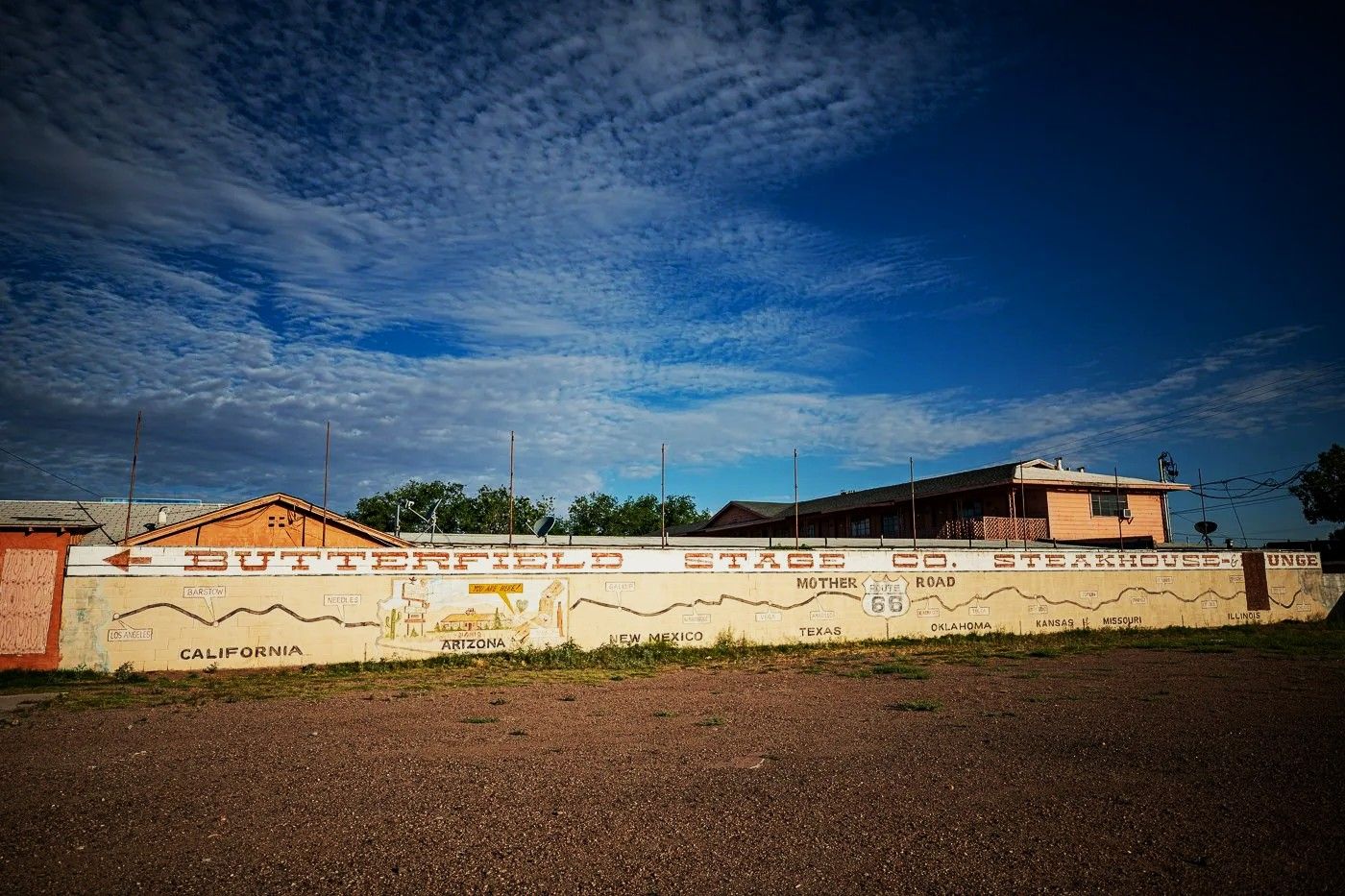
Ever wondered about the hidden gems along Arizona's historic Butterfield Route? This iconic trail, once a lifeline for mail and passengers, is dotted with fascinating stage stations. These stations served as crucial rest stops, offering weary travelers a chance to rest and recharge. From the bustling hub of Tucson to the remote outposts in the desert, each station has its own unique story. Imagine the tales of adventure, hardship, and perseverance that echo through these historic sites. Join us as we uncover the secrets of Arizona's Butterfield Route Stage Stations, where history comes alive with every step.
The Historic Butterfield Route
The Butterfield Overland Mail Route, a significant part of American history, connected St. Louis, Missouri, to San Francisco, California. This route, operational from 1857 to 1861, passed through the rugged terrain of Arizona. Along the way, stage stations provided essential services to travelers. Let's explore some of these historic stops.
1. Dragoon Springs
Dragoon Springs, located in southeastern Arizona, served as a crucial stop for the Butterfield Overland Mail. Nestled in the Dragoon Mountains, this station provided water and rest for weary travelers. Today, visitors can see the remnants of the stone corral and graves of four Butterfield employees who died in an Apache attack.
2. Apache Pass
Apache Pass, another significant stage station, lies between the Dos Cabezas and Chiricahua Mountains. This station was known for its reliable water source, Apache Spring. Fort Bowie, established nearby to protect the route from Apache attacks, now stands as a historic site where visitors can learn about the area's turbulent past.
3. San Pedro River
The San Pedro River station, situated near modern-day Benson, Arizona, offered a vital water source in the arid landscape. This station was a lifeline for travelers and their horses. Although little remains of the original structure, the site is a reminder of the challenges faced by those who traversed the desert.
4. Tucson
Tucson, a bustling town even in the mid-1800s, served as a major stop on the Butterfield Route. The stage station here provided not only rest and supplies but also a connection to the growing community. Today, Tucson's rich history can be explored through its many museums and historic sites.
5. Picacho Peak
Picacho Peak, located between Tucson and Casa Grande, was another important stage station. The peak itself served as a landmark for travelers. The station provided water and a place to rest before continuing the journey. Picacho Peak State Park now offers hiking trails and historical markers detailing the area's significance.
6. Maricopa Wells
Maricopa Wells, near present-day Maricopa, Arizona, was a bustling hub on the Butterfield Route. This station was known for its abundant water supply and fertile land, making it a critical stop for travelers. The site now offers a glimpse into the agricultural history of the region.
7. Gila Bend
Gila Bend, named for the bend in the Gila River, was a vital stage station providing water and rest. The station's location made it a key stop before travelers ventured into the harsh desert terrain. Today, Gila Bend is a small town with historical markers commemorating its past.
8. Stanwix Station
Stanwix Station, located west of Gila Bend, was another essential stop on the Butterfield Route. This station is historically significant as the site of the westernmost skirmish of the Civil War. Visitors can explore the area and learn about its unique place in history.
9. Oatman Flat
Oatman Flat, situated along the Gila River, provided a much-needed water source for travelers. This station was named after the Oatman family, who were famously attacked by Native Americans in the area. The site remains a poignant reminder of the dangers faced by early pioneers.
10. Fort Yuma
Fort Yuma, located on the California-Arizona border, marked the end of the Butterfield Route in Arizona. This military post provided protection and supplies for travelers crossing the Colorado River. Today, the fort's remains offer a glimpse into the military history of the region.
Discovering Arizona's Hidden History
Arizona's Butterfield Route Stage Stations offer a glimpse into the past. These stations were vital for travelers and mail carriers in the 19th century. Visiting these sites today, you can almost hear the echoes of stagecoaches and the stories of those who passed through.
Exploring these historic spots, you’ll find remnants of a bygone era. Each station has its own unique story, from the bustling hub of Tucson to the remote outpost of Dragoon Springs. These places remind us of the challenges and triumphs of early travel in the American West.
Next time you’re in Arizona, take a detour to visit these hidden gems. They’re not just historical sites; they’re pieces of a larger story that shaped the region. Enjoy the journey and let the history of the Butterfield Route enrich your travels.
