

Hidden Insights Of Arizona’s Climate Research
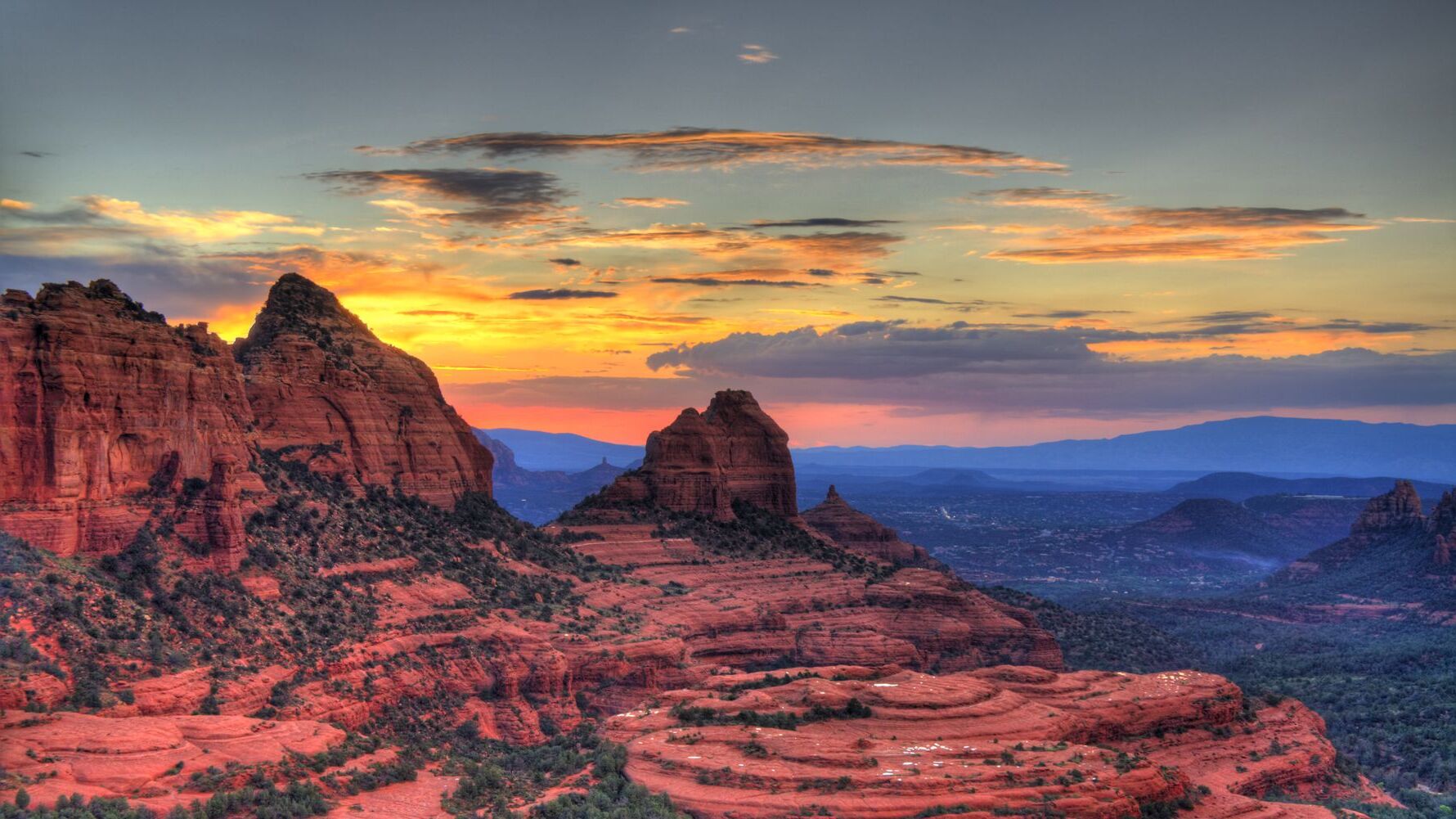
Ever wondered why Arizona's climate research is so important? This state is not just about stunning deserts and the Grand Canyon. It's a hub for understanding weather patterns, climate change, and environmental shifts. Researchers here study everything from monsoon rains to extreme heatwaves. Their findings help predict future weather events and develop strategies to combat climate change. Arizona's unique landscape offers a perfect natural laboratory for scientists. Whether you're a weather enthusiast or just curious about how climate affects our world, Arizona's research provides valuable insights. Dive into the world of Arizona's climate research and see how it shapes our understanding of the environment.
Arizona's Climate: A Diverse Landscape
Arizona's climate is as varied as its stunning landscapes. From scorching deserts to cool mountain ranges, the state offers a unique opportunity for climate research. Here are some key places where groundbreaking studies are taking place.
1. Phoenix: Urban Heat Island Effect
Phoenix, one of the hottest cities in the U.S., is a prime location for studying the urban heat island effect. Researchers here focus on how urbanization impacts local temperatures.
- Arizona State University: ASU's Urban Climate Research Center examines how buildings, roads, and other infrastructure contribute to higher temperatures.
- City of Phoenix: The city collaborates with scientists to implement cooling strategies like reflective pavements and increased green spaces.
2. Tucson: Monsoon Studies
Tucson experiences a unique weather pattern known as the North American Monsoon. This phenomenon brings heavy rains and thunderstorms during the summer months.
- University of Arizona: The university's Department of Hydrology and Atmospheric Sciences conducts extensive research on monsoon patterns and their impact on water resources.
- National Weather Service: Tucson's NWS office plays a crucial role in monitoring and predicting monsoon activity.
3. Flagstaff: High-Altitude Climate Research
Flagstaff, located at a high elevation, offers a cooler climate compared to other parts of Arizona. This makes it an ideal spot for studying high-altitude weather patterns.
- Northern Arizona University: NAU's School of Earth Sciences and Environmental Sustainability focuses on how altitude affects temperature, precipitation, and ecosystems.
- Lowell Observatory: While known for its astronomical research, the observatory also contributes to climate studies by monitoring atmospheric conditions.
4. Yuma: Extreme Heat Studies
Yuma holds the title for the sunniest place on Earth, making it perfect for studying extreme heat and its effects on both humans and the environment.
- University of Arizona Cooperative Extension: This program conducts research on how extreme heat impacts agriculture, water usage, and public health.
- Yuma Proving Ground: This military testing site also provides valuable data on how extreme temperatures affect equipment and operations.
5. Sedona: Microclimate Research
Sedona's unique red rock formations create various microclimates within a small area. Researchers study how these microclimates affect local flora and fauna.
- Coconino National Forest: Scientists here examine how different elevations and rock formations influence temperature and precipitation.
- Sedona-Oak Creek Canyon: This area is a hotspot for studying how microclimates impact biodiversity and ecosystem health.
6. Grand Canyon: Climate Change Impact
The Grand Canyon offers a dramatic setting for studying the impact of climate change on natural wonders. Researchers focus on how changing temperatures and precipitation patterns affect the canyon's ecosystem.
- Grand Canyon Monitoring and Research Center: This center conducts long-term studies on how climate change impacts the Colorado River and surrounding areas.
- National Park Service: The NPS collaborates with scientists to monitor climate trends and develop strategies for preserving the canyon's natural beauty.
7. Prescott: Wildfire Research
Prescott's forests are increasingly affected by wildfires, making it a key location for studying fire ecology and prevention strategies.
- Prescott National Forest: Researchers here focus on how climate change influences wildfire frequency and intensity.
- Ember Research Group: This local organization studies how different vegetation types and weather conditions contribute to wildfire behavior.
8. Lake Havasu City: Water Resource Management
Lake Havasu City is crucial for studying water resource management in arid environments. Researchers examine how to balance water usage between human needs and environmental sustainability.
- Lake Havasu State Park: Scientists here study how climate change affects water levels and quality in the lake.
- Colorado River Research Group: This group focuses on sustainable water management practices for the Colorado River, which supplies water to millions of people.
Arizona's diverse climate offers a wealth of opportunities for research, helping us understand and adapt to our changing world.
Arizona's Climate Research: Key Takeaways
Arizona's climate research offers valuable insights into weather patterns, water resources, and environmental changes. This knowledge helps scientists predict future climate scenarios and develop strategies to mitigate adverse effects. By understanding the state's unique climate, residents and policymakers can make informed decisions about water conservation, agriculture, and urban planning.
The research also highlights the importance of preserving natural habitats and biodiversity. Protecting these areas ensures the survival of various species and maintains ecological balance. Additionally, climate studies in Arizona contribute to global climate models, aiding worldwide efforts to combat climate change.
Engaging with local communities and raising awareness about climate issues is crucial. Education and outreach programs can empower individuals to take action and support sustainable practices. Arizona's climate research not only benefits the state but also plays a vital role in addressing global environmental challenges.
