

Secrets Of Alaska’s Marine Mammal Center
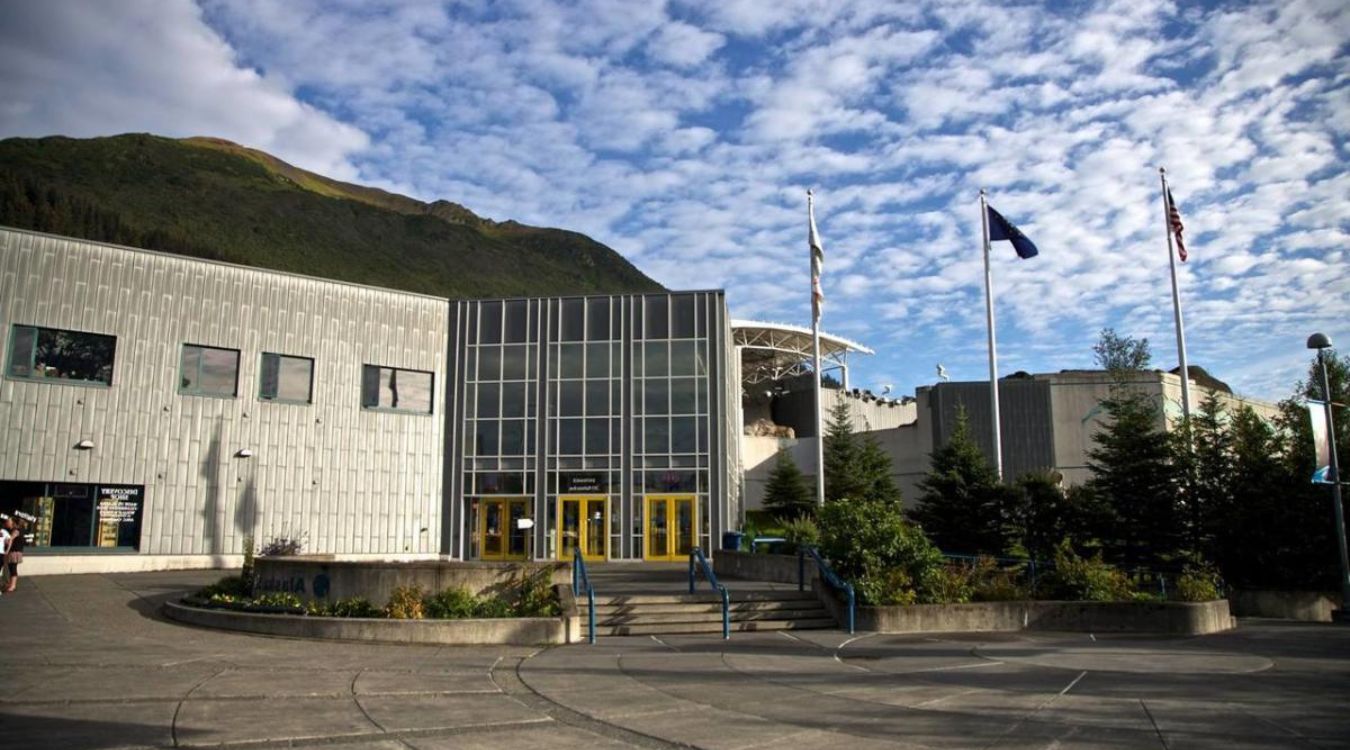
Have you ever wondered what makes Alaska's Marine Mammal Center so special? This incredible place is dedicated to rescuing, rehabilitating, and releasing marine mammals like seals, sea lions, and otters. Located in the heart of Alaska, the center offers a unique opportunity to learn about these fascinating creatures and the efforts to protect them. Visitors can get up close with animals, watch feeding sessions, and even participate in educational programs. Whether you're a wildlife enthusiast or just curious about marine life, a visit to Alaska's Marine Mammal Center promises an unforgettable experience. Ready to dive into the world of marine mammals? Let's get started!
Secrets of Alaska's Marine Mammal Center
Alaska's Marine Mammal Center is a hidden gem for those who love marine life. This center is dedicated to the rescue, rehabilitation, and research of marine mammals. Let's dive into some of the secrets that make this place so special.
The Rescue Operations
The Marine Mammal Center is renowned for its rescue operations. They have saved countless animals over the years. Here are some key spots where these rescues often take place:
Kenai Peninsula: This area is a hotspot for stranded seals and sea lions. The center's team frequently conducts rescue missions here, especially during the spring and summer months.
Kodiak Island: Known for its diverse marine life, Kodiak Island often sees young sea otters in need of help. The center's experts are always ready to assist.
Prince William Sound: This region is famous for its orcas and humpback whales. The center has a dedicated team that monitors and rescues these majestic creatures when they are in distress.
Rehabilitation Facilities
Once rescued, the animals are brought to the center's state-of-the-art rehabilitation facilities. These facilities are designed to provide the best care possible. Let's take a look at some of these amazing places:
Seal Pools: These pools are specially designed for seals to recover and regain their strength. They mimic the natural environment, helping the seals feel at home.
Sea Otter Nursery: This nursery is a cozy haven for orphaned sea otters. Here, they receive round-the-clock care and attention until they are strong enough to be released back into the wild.
Whale Tanks: These massive tanks are used for the rehabilitation of injured whales. They provide ample space for the whales to swim and recover.
Research and Education
The center is not just about rescue and rehabilitation. It also plays a crucial role in research and education. They conduct groundbreaking research and educate the public about marine conservation. Here are some key areas of focus:
Marine Mammal Lab: This lab is where scientists study the health and behavior of marine mammals. Their research helps improve rescue and rehabilitation techniques.
Educational Programs: The center offers various educational programs for schools and the general public. These programs aim to raise awareness about marine conservation and inspire the next generation of marine biologists.
Volunteer Opportunities: The center relies heavily on volunteers. They offer various opportunities for people to get involved and make a difference in the lives of marine mammals.
Community Involvement
The Marine Mammal Center thrives on community support. They have built strong relationships with local communities to ensure the well-being of marine life. Here are some ways they engage with the community:
Local Partnerships: The center collaborates with local organizations and businesses to promote marine conservation. These partnerships help fund rescue operations and educational programs.
Public Events: They host various public events throughout the year, such as beach cleanups and educational workshops. These events encourage community participation and raise awareness about marine conservation.
Adoption Programs: The center offers adoption programs where people can symbolically adopt a marine mammal. This helps fund the care and rehabilitation of the animals.
Future Plans
The Marine Mammal Center is always looking ahead. They have ambitious plans to expand their facilities and improve their services. Here are some of their future goals:
New Rehabilitation Center: They plan to build a new, larger rehabilitation center to accommodate more animals and provide even better care.
Advanced Research Facilities: The center aims to expand its research facilities to conduct more in-depth studies on marine mammals.
Global Collaboration: They are working towards building stronger connections with marine mammal centers worldwide. This will help share knowledge and improve global marine conservation efforts.
Alaska's Marine Mammal Center: A Must-Visit
Alaska's Marine Mammal Center offers a unique experience. Visitors can see rescued marine animals up close. The center's work in rehabilitation and education is vital. Learning about the animals' stories adds a personal touch. The center also plays a key role in conservation efforts. Supporting the center helps protect Alaska's marine life.
Planning a visit is easy. The center is accessible and family-friendly. Interactive exhibits make learning fun for all ages. Don't forget to check out the gift shop for souvenirs. Every purchase supports the center's mission.
A trip to Alaska's Marine Mammal Center is more than just a visit. It's an opportunity to connect with nature and contribute to a worthy cause. Make sure to add it to your travel itinerary. You won't regret it.
