

Part of our Alaska guide.
Hidden wild Alaska means cloudberry bogs, lingonberry patches, and birch syrup taps scattered across the state’s remote terrain. The Tongass National Forest spans most of the southeastern panhandle, while the Brooks Range holds ancient medicine trees that indigenous communities have used for generations.
Alaska
Cloudberry bogs sit in cool, wet tundra, where the golden-orange berries ripen into a flavor between raspberry and red currant. You will find them in remote areas, often a short hike from gravel roads or floatplane drop-offs. The bogs are low-lying, waterlogged ground, so wear rubber boots and expect to wade through soft moss. Local foragers time their visits for late July through August, when the berries are firm but juicy. Each berry grows singly on a low stem, and a good hour of bending yields only a quart or two. You stand in open tundra with the Brooks Range or the Alaska Range on the horizon, and the only sound is wind through sedges.
Alaska
Lingonberry patches carpet coastal regions and interior forests, favoring the same cool, moist climate as cloudberries. These tiny red berries are tart, and locals use them for jam, sauce, and baked goods. You can find them from the Kenai Peninsula north to the Yukon River, often on open slopes and under black spruce. The berries persist on the plant through winter, so some foragers return to the same patches after the first snow, when the fruit is sweeter. Sustainable picking means taking only what you need and leaving unripe berries behind. A good patch can yield several cups in an hour, but you have to bend low—the plants rarely reach above your ankle.
Tongass Forest
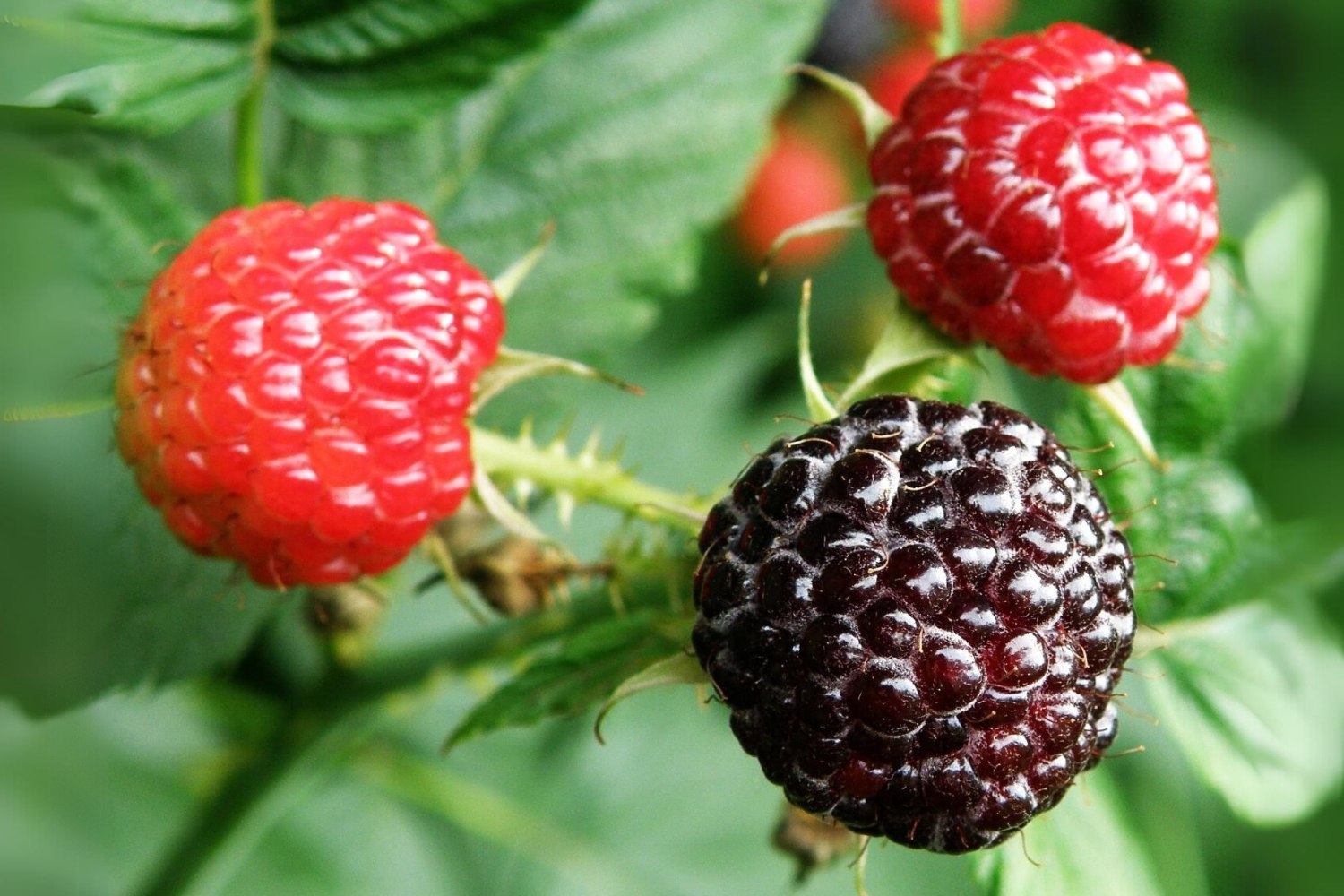
Blackcap raspberries grow in the Tongass Forest, a temperate rainforest that covers most of Southeast Alaska. The blackcap raspberry ripens in midsummer along stream banks and forest edges. The berries are small, dark purple, and sweet with a tart finish, and they grow on thorny canes that can reach six feet tall. Look for them in clearings and along logging roads, where sunlight reaches the forest floor. The Tongass receives heavy rain, so the berries are plump and juicy, but you will compete with bears for the best patches. Bring a bear bell and make noise as you walk.
Brooks Range Medicine Trees
In the Brooks Range, scattered birch and spruce trees carry scars from generations of use—strips of bark removed for medicine, pitch collected for wounds, and branches bent as trail markers. Indigenous people have used them for centuries to treat ailments ranging from colds to joint pain. The knowledge is passed down orally, and specific trees are treated with respect, with offerings left at the base. You can see these trees on guided tours out of Bettles or Anaktuvuk Pass, but you need a local guide to identify them. The Brooks Range is remote, with no roads connecting most villages, so access is by small plane or riverboat. The trees are most accessible in June and July, when the ground is free of snow and the days are long.
Discover Hidden Birch Syrup Tapping Locations in Alaska
Birch syrup comes from tapping paper birch trees in early spring, when the sap starts flowing—usually late March through mid-April, depending on latitude. The sap is clear and slightly sweet, and it takes about 100 gallons to make one gallon of syrup. Local producers in the Matanuska-Susitna Valley and the Kenai Peninsula drill a small hole, insert a spout, and hang a bucket. The sap is then boiled down over several hours, and the result is a syrup that is sweet with a hint of spice, unlike maple. You can visit these producers during tapping season, watch the process, and buy a bottle directly. Some operations offer tastings, and a small bottle runs about $15 to $25. The flavor is strong, so use it sparingly on pancakes or in glazes for meat.
Alaska
Gooseberry thickets hide in the dense forests of Southcentral and Interior Alaska, often along riverbanks and in old burn areas. The bushes are thorny and dense, growing to about three feet tall, and the berries are green to purple when ripe, with a tart, grape-like flavor. They ripen in late July and August, and you can find them near Fairbanks, along the Parks Highway, and in the Susitna River drainage. Picking them is scratchy work—wear long sleeves and gloves—but a single bush can yield a pint or more. The berries are excellent in pies and jams, but they do not keep long, so plan to use them within a day or two of picking. Local foragers often mark their spots and return year after year, so be respectful if you find a patch that looks tended.
Southeast Alaska
Wild salmonberries grow throughout the coastal rainforest, from Ketchikan to Yakutat, and they ripen in June and July. The berries are large, orange to deep red, and juicy, with a mild flavor that is best fresh off the bush. They grow on tall canes in clearings, along streams, and at the edge of the forest, and they are common enough that you can pick a cup in ten minutes. The plants prefer wet, shaded areas, so look for them near muskegs and under alder. Locals eat them raw, mix them into sourdough, or make jam. Wild salmonberries are delicate and do not ship well, so you have to pick them yourself or buy them from a roadside stand in Juneau or Sitka.
Alaska
Serviceberries grow on shrubs across the Interior and Southcentral Alaska, often on hillsides and along river terraces. The small, dark purple berries ripen in late July and August, and they are sweet and juicy, with a slight nutty flavor. The shrubs can reach ten feet tall, and they are easy to spot by their oval leaves and clusters of berries. You can find them near Talkeetna, along the Richardson Highway, and in the hills around Fairbanks. The berries are excellent fresh, but they also dry well, and many locals add them to trail mix or bake them into muffins. Picking is easy—the berries come off in clusters—and a good bush can yield a quart in minutes. Watch for bears, as serviceberry patches are a favorite food for them.
The Taiga
Snowshoe hares live throughout the boreal forest, from the Kenai Peninsula to the Brooks Range, and they are most active at dawn and dusk. They favor dense spruce and birch stands, where they can hide from predators, and they are easiest to spot in winter, when their white fur contrasts with the snow. In summer, they turn brown and are nearly invisible among the undergrowth. Their large feet leave distinctive tracks in the snow, and they are the main prey for lynx, owls, and foxes. You can see them on trails near Fairbanks, along the Dalton Highway, or in Denali National Park, but you will need patience and quiet. Early morning is best, and a pair of binoculars helps. The hares do not migrate, so they are present year-round, but their numbers cycle every 10 to 12 years, and in peak years, they are everywhere.
More about Hidden Wild
- Secrets Of Alaska's College Fjord Glaciers
- Secrets Of Alaska's Abandoned Gold Dredges
- Secrets Of Alaska's Klondike Gold Rush Equipment
- Secrets Of Alaska's Jade Creek Mines
- Alaska's Hidden WWII Bunkers And Defensive Positions
- Alaska Experience Theatre: Anchorage's Hidden Gem
- Whale Whispers: Hidden Beluga Spots In Alaska
- Mysteries Beneath Alaska's Herbert Glacier
- Meet Majestic Reindeer At Fairbanks' Hidden Gem
- Secrets Of Alaskas Kenai Lake
- Fairbanks' Secret Muskox And Caribou Experience
- Secrets Of Alaska's Abandoned Cannery Towns
- Secrets Of Alaska's Fortymile Country Gold Claims
- Secrets Of Alaska's Forgotten Mining Towns
- Mysteries Behind Alaska's Surprise Glacier
- The Hidden Secrets Of Alaska's Chilkat Range
