

Part of our Alaska guide.
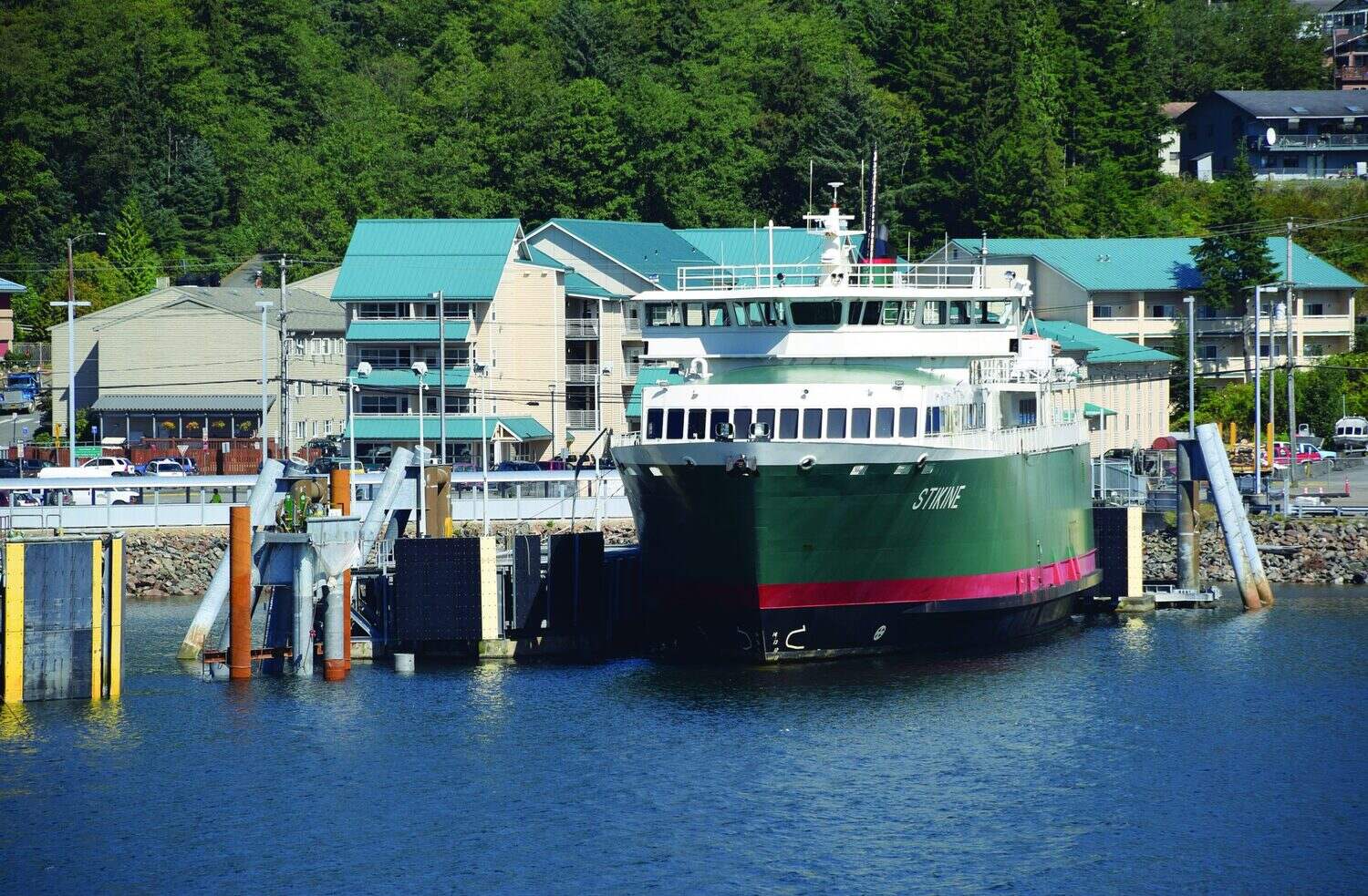
Getting around Alaska means choosing between the state’s ferry system, bush planes, and a handful of roads, each with its own trade-offs. The ferry ride from Juneau to Skagway takes about 6 to 7 hours, depending on the vessel and any stops, and runs year-round on the Alaska Marine Highway. This route threads through the Lynn Canal with glacier and mountain views you won’t see from a highway.
How Long Is The Ferry Ride From Juneau To Skagway?
The scheduled crossing between Juneau and Skagway is roughly 80 nautical miles, and the ferry typically takes between 6 and 7 hours one way. Some summer sailings are direct, while others may stop at Haines or other small ports, which can add an hour or more. The Alaska Marine Highway publishes a seasonal schedule, so check the current timetable for exact departure times and any holiday adjustments. Bring layers: the open deck is the best place to watch for eagles, seals, and the occasional whale, but the wind off the water is cold even in July.
You can’t drive to Skagway from Juneau—there’s no road connection. The ferry is the only way to take a vehicle between these two towns. Walk-on passengers don’t need a reservation on most sailings, but vehicle space books out weeks in advance in summer. The terminal in Juneau is in the downtown area, a short walk from most hotels, while the Skagway dock sits at the end of the Klondike Highway, a few blocks from the historic district.
Once you arrive in Skagway, you can explore the Gold Rush–era buildings, hike the Chilkoot Trail trailhead, or catch the White Pass & Yukon Route railroad for a separate day trip. If you’re continuing north, the ferry also connects to Haines, a 15-minute drive from the terminal, and from there you can pick up the Haines Highway toward the Alaska Highway. For a round trip, many visitors spend a night or two in Skagway and return on a later sailing, which gives you time to see the town without rushing.
Bush Plane Landing Strips
Bush planes in Alaska land on gravel bars, frozen lakes, and short tundra strips that don’t appear on any aviation chart. Pilots use these strips to reach villages, cabins, and mining camps that have no road access. The most common types are wheeled planes for summer gravel bars and ski-equipped aircraft for winter snow or ice. If you’re flying into a remote lodge, the pilot will often circle the strip once to check for moose or other animals before touching down. Follow the pilot’s instructions about where to sit and when to exit—the plane may keep its engine running if the strip is short.
Remote Bush Plane Fishing Lodges
Alaska’s remote fishing lodges are typically reachable only by floatplane, and many require a 30- to 60-minute flight from a hub like Anchorage, Dillingham, or King Salmon. These lodges sit on lakes or rivers that hold salmon, trout, and grayling, and they offer guided skiffs or wading trips depending on the water. A typical week-long package includes round-trip airfare from the hub, all meals, lodging, and a guide; prices start around $4,000 per person. The fishing season runs from late May through September, with peak salmon runs in July and August. If you’re after trophy rainbow trout or king salmon, book well ahead—many lodges fill up a year in advance.
Remote Bush Plane Destinations
Beyond fishing lodges, bush planes can take you to national park field camps, hot springs, and abandoned gold rush towns. Many of these destinations have no formal airstrip—just a beach or a gravel bar that’s dry at low water. The pilot will brief you on local hazards, such as tides, wind shifts, or soft sand. For a day trip, you can fly from Talkeetna into Denali National Park and land on a glacier, then spend a few hours walking around before the plane returns. For longer stays, you’ll need to pack in your own food and camping gear, as most remote sites have no services.
Fairbanks' Secret Pioneer Air Museum And Vintage Bush Planes
In Fairbanks, the Pioneer Air Museum sits inside the grounds of the city’s airport and houses a collection of vintage bush planes, engines, and aviation memorabilia. The museum is small but dense, with exhibits on the early days of Alaskan aviation, including aircraft that flew supply runs during the 1925 serum run and the 1930s gold rush era. You can see a restored Fairchild 71, a Boeing 247, and several piston-engine planes that once served remote villages. The museum is open daily in summer and by appointment in winter; admission is a few dollars and includes a short film. It’s a good rainy-day stop if you’re already at the airport for a flight.
Unveil The Wonders Of Denali Highway's Scenic Drive
The Denali Highway runs 135 miles between Paxson and Cantwell, and it’s mostly gravel with a few paved sections. The road is usually open from late May to September, depending on snow, and it offers views of the Alaska Range, the Nenana River, and broad tundra valleys. You’ll likely see caribou, moose, and perhaps grizzly bears, especially in the early morning or evening. There are no gas stations or services along the highway, so fill up in Paxson or Cantwell before you start. The drive takes about three hours without stops, but plan for a full day if you want to hike, fish, or picnic. A high-clearance vehicle is recommended, though a standard car can make it in dry weather.
How Long Is The Ferry Ride From Ketchikan To Hollis
The ferry from Ketchikan to Hollis on Prince of Wales Island takes about 1 hour and 15 minutes, covering roughly 35 miles across the Clarence Strait. The Inter-Island Ferry Authority operates this route, with multiple daily sailings in summer and reduced service in winter. The terminal in Ketchikan is at the south end of town, and the Hollis terminal is about 20 miles from the island’s main community of Craig. The ferry carries vehicles, so you can bring a car or truck onto the island, which has an extensive network of logging roads. Walk-on passengers don’t need a reservation, but vehicle space should be booked in advance, especially on weekends.
Soar Above Denali With Talkeetna's Flightseeing Adventures
Talkeetna is the main base for flightseeing tours over Denali, with several operators offering 45-minute to 2-hour flights. A typical 1-hour flight takes you up the Ruth Glacier and around the mountain’s south face, with views of the Kahiltna Glacier and the Alaska Range. Some tours include a landing on a glacier, which lets you step out onto the ice for 15–20 minutes. Prices for a 1-hour flight with a glacier landing start around $350 per person, and a 2-hour flight that circles the summit costs more. The best weather is usually in June and early July, but conditions can change quickly, so be prepared for a possible reschedule.
How Long Is The Ferry Ride Back To Wilderness Lodge
If you’re staying at a wilderness lodge on a lake or river, the return ferry ride depends entirely on your specific lodge and its location. Some lodges are a short 15-minute boat ride from the nearest road, while others require a 2-hour jetboat trip down a river. The article you’re reading doesn’t specify a particular lodge, so ask your lodge directly for the exact transfer time and schedule. In general, lodges reachable by road or ferry will have a set pickup time, and you’ll need to arrive at the dock 30 minutes early. For remote lodges, the return trip may be by floatplane instead of ferry, which adds a different set of logistics.
Glacier Crevasse Rescue Training In Denali
Glacier crevasse rescue training in Denali National Park teaches climbers how to self-arrest, build anchor systems, and haul a partner out of a crevasse. The course typically takes one full day and covers rope work, pulley systems, and snow anchors. You’ll practice on real crevasses near the park road, using the same gear you’d carry on a multi-day climb. The training is essential for anyone attempting the West Buttress route or any other glaciated peak. Several guide services in Talkeetna and Anchorage offer this course, with prices around $200–$300 per person for a group session. You’ll need your own harness, helmet, and locking carabiners, though some outfitters rent gear.
