

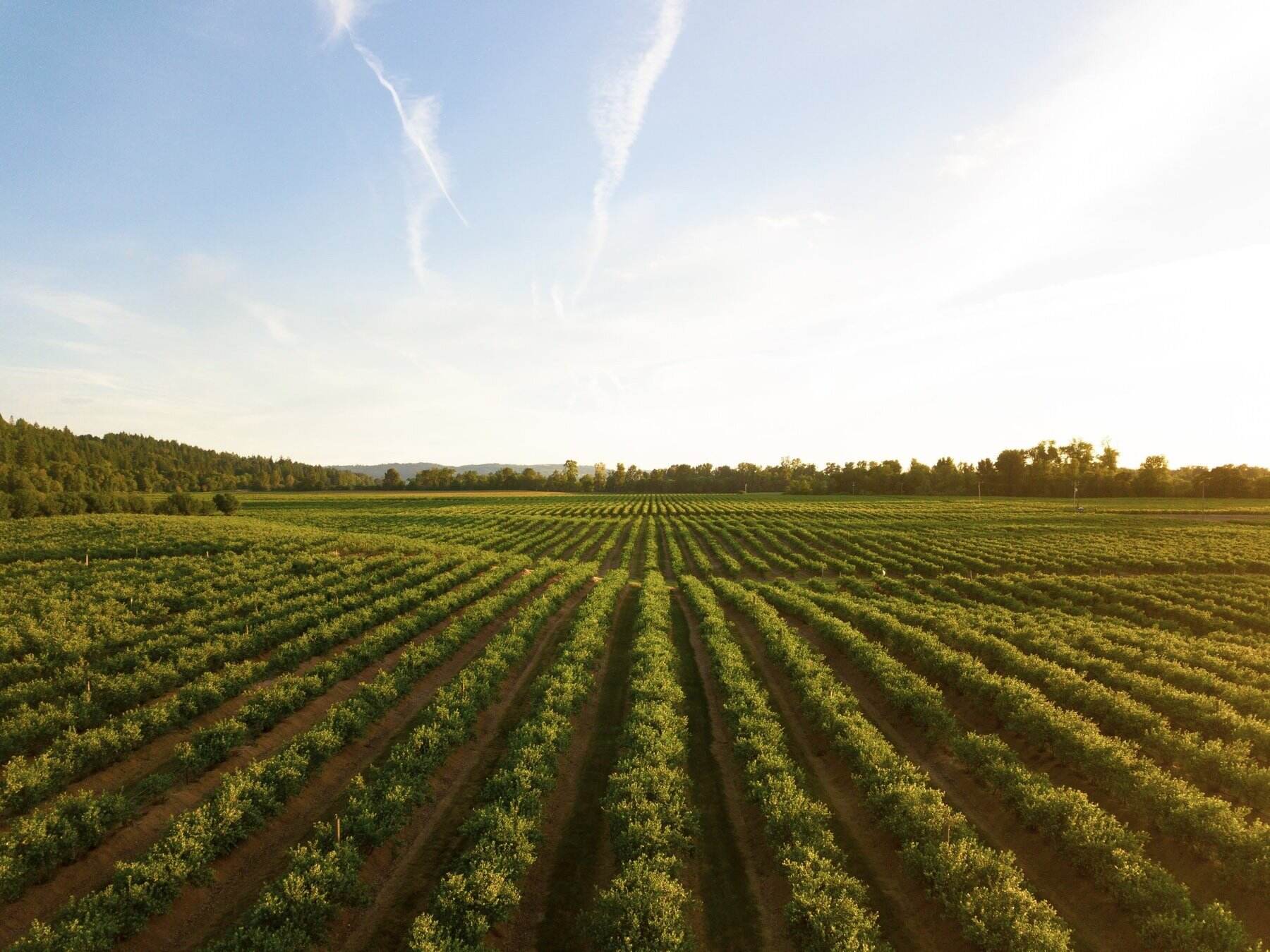

What makes Alabama’s Black Belt plantations so special? It’s the combination of preserved architecture, layered history, and the stories of both the wealthy families and the enslaved people whose labor built these estates. These sites ask you to reckon with the past, from grand columns to the fields and outbuildings where the real work happened.
Discovering Alabama’s Black Belt Plantations
Alabama’s Black Belt region, named for its dark, fertile soil, was the heart of the cotton economy before the Civil War. The plantations here were working farms and industrial operations, entirely dependent on enslaved labor. These estates tell stories of the antebellum South, showcasing architecture, culture, and the lives of those who lived and were enslaved there.
1. Gaineswood
Gaineswood in Demopolis is often called the finest Greek Revival house in Alabama. Built between 1843 and 1861, it was designed by its owner, Nathan Bryan Whitfield, a planter and slaveholder. The house features a dramatic domed parlor, fluted columns, and ornate plasterwork. Guided tours cover the architecture and daily operations, including the quarters where enslaved people lived and worked.
- Location: Demopolis
- Built: 1843–1861
- Style: Greek Revival
2. Magnolia Grove
Magnolia Grove in Greensboro is a smaller, more intimate plantation home, built in the 1840s. The house is surrounded by formal gardens and ancient magnolia trees, but the site also interprets the lives of the enslaved people who maintained the household and grounds. It’s a good stop for those interested in the contrast between the planter’s world and the labor that sustained it.
- Location: Greensboro
- Built: 1840s
- Features: Lush gardens, magnolia trees, enslaved quarters archaeology
3. Belle Mont Mansion
Belle Mont, near Tuscumbia, is a rare Jeffersonian-style house in the South, possibly designed by a builder who worked with Thomas Jefferson. Constructed in the early 1800s, its U-shaped layout and tall windows are striking. The site’s interpretation includes the stories of the dozens of enslaved people who lived in cabins behind the main house—some of those cabin foundations are still visible.
- Location: Near Tuscumbia
- Built: Early 1800s
- Style: Jeffersonian
4. Arlington Antebellum Home & Gardens
Arlington in Birmingham is a restored Greek Revival mansion from the 1840s, now run as a museum. Unlike many rural plantations, Arlington sits in an urban setting. The museum’s exhibits address the enslaved families who lived and worked here, and the gardens are a popular spot for a quiet walk. It’s one of the few sites in the state that directly discusses the slave trade that funded the house’s construction.
- Location: Birmingham
- Built: 1840s
- Features: Museum, manicured gardens, slave quarters exhibit
5. Kenworthy Hall
Kenworthy Hall in Marion is a standout for its Italianate architecture—rare for the Black Belt. Completed in 1860, it has a four-story tower and bracketed eaves. The house was built by Richard Kenworthy, who owned over 100 enslaved people. The property includes a rare surviving brick kitchen and a family cemetery that includes both the Kenworthys and enslaved individuals.
- Location: Marion
- Built: 1860
- Style: Italianate
6. The Oaks Plantation
The Oaks in Montgomery dates to the early 1800s and is one of the oldest surviving structures in the city. The main house is a simple, two-story frame building, but the real interest is the outbuildings: a detached kitchen, a smokehouse, and the remains of slave cabins. It’s a raw, unvarnished look at how a smaller plantation operated.
- Location: Montgomery
- Built: Early 1800s
- Features: Main house, outbuildings, slave cabin foundations
7. Moore-Webb-Holmes Plantation
This living history farm in Marion has been in the same family for generations. Visitors can walk through the original log cabin, barns, and fields. The site focuses on agricultural practices—both the crops grown and the enslaved labor that planted and harvested them. It’s a working farm, so you might see heritage livestock or heirloom crops being tended.
- Location: Marion
- Established: Early 1800s
- Features: Log cabin, barns, fields, living history demonstrations
8. Thornhill Plantation
Thornhill in Forkland is a Greek Revival house from the 1830s, with a double veranda and a sweeping staircase. The plantation was one of the largest in Greene County, and its records list over 200 enslaved people. The current owners offer tours that discuss the house’s architecture and the brutal realities of the cotton economy that paid for it.
- Location: Forkland
- Built: 1830s
- Style: Greek Revival
9. Rosemount Plantation
Rosemount, near Forkland, is one of Alabama’s largest antebellum homes—20 rooms, a spiral staircase, and a cupola that offers views over the river valley. Built in the 1830s, it was the center of a 2,000-acre cotton plantation. The site’s interpretation includes the enslaved community, whose quarters stood behind the main house. The gardens are expansive and worth a stroll.
- Location: Near Forkland
- Built: 1830s
- Features: 20 rooms, spiral staircase, expansive gardens, slave quarters site
10. Sturdivant Hall
Sturdivant Hall in Selma is a Greek Revival mansion from the 1850s, now a museum with guided tours. It was built by a planter who owned over 100 enslaved people, and the museum has made a point of telling their stories alongside the architecture. The house is known for its intricate ceiling medallions and period furnishings.
- Location: Selma
- Built: 1850s
- Features: Museum, guided tours, enslaved labor exhibit
Alabama’s Black Belt Plantations Await
These plantations are more than pretty facades—they are places where the secrets hidden in Alabama include the lives of thousands of enslaved people whose labor built the state’s wealth. When you visit, take time to walk the grounds, read the interpretive panels, and ask about the people who lived in the quarters, not just the big house. Many sites now offer special tours focused on slavery and resistance.
Plan your trip to include two or three sites in one day—Demopolis, Marion, and Forkland are within about 30 minutes of each other. Check each site’s website for tour times, as many operate seasonally or by appointment. And don’t skip the museums and historic sites in Alabama that are part of the Black Belt’s story—they’re often less crowded than the big-city attractions and far more honest about the past.
Pack comfortable shoes, bring water, and give yourself at least two hours per site. The beauty of these places is undeniable, but the history is heavier than it looks. That’s exactly why they matter.
Related travel guides: Secrets Of Georgia's Low Country Plantations.
