

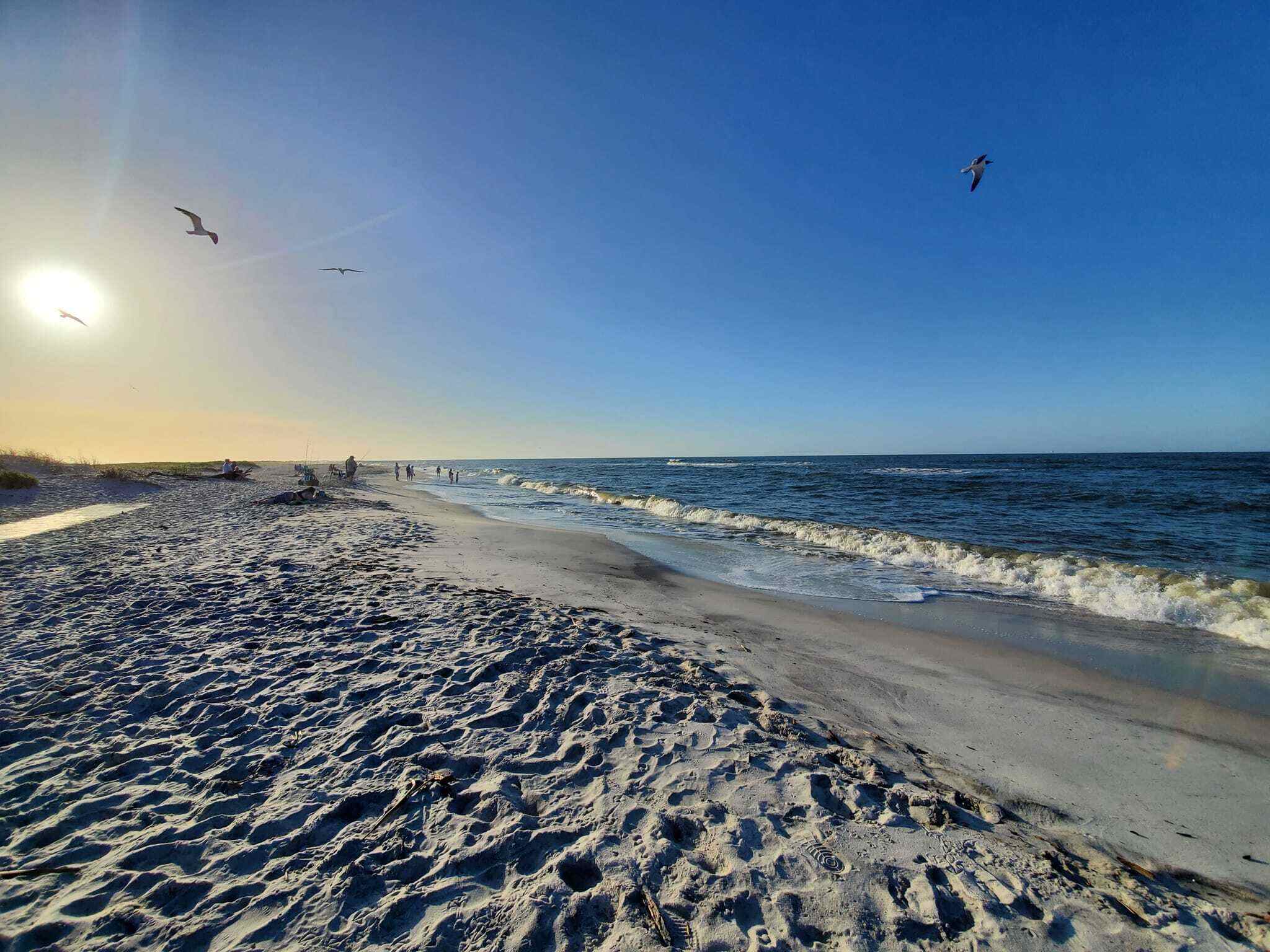
Dauphin Island’s “Shell Banks” are not a beach for collecting rare seashells—they are prehistoric Native American shell middens preserved at Indian Shell Mound Park. The park offers a glimpse into the island’s ancient past, not a modern shelling hotspot. If you’re looking for a place to dig for junonia or scotch bonnets, you’ll be disappointed; if you want to walk among ancient oyster and clam shell mounds built up over centuries, this is the spot. Here’s what you need to know before you go.
What the Shell Banks Actually Are
Indian Shell Mound Park is the official name for the site commonly called the “Shell Banks.” These are not natural sandbars or storm-tossed shell piles—they are archaeological middens, essentially ancient trash heaps left by Native Americans who lived on the island for thousands of years. The mounds are composed primarily of oyster shells, along with other shellfish remains, and they rise several feet above the surrounding marsh. The park protects these mounds, so climbing on them or digging into them is not allowed. Instead, you walk along raised boardwalks and interpretive trails that wind through the site, with signs explaining the history and ecology. The park is small, easily walked in under an hour, and it connects to the Audubon Bird Sanctuary’s trail system, making it a good stop for birders and history buffs alike.
Best Places for Actual Shelling on Dauphin Island
If you came for seashells, not archaeology, the island does have real shelling spots—just not at the Shell Banks. West End Beach is the island’s most reliable location for finding intact shells after a high tide or storm. Pelican Bay, on the north side of the island, offers calmer water and a mix of small conchs, scallops, and whelks along the shoreline. Early morning, especially right after a cold front or a full moon, produces the best results. Bring a mesh bag and a small shovel, but skip the live shells—Alabama law prohibits taking them, and the island’s ecosystem depends on leaving living creatures in place.
What You’ll Actually Find at Indian Shell Mound Park
Instead of rare shells, you’ll find the mounds themselves—layers of oyster shells, broken pottery shards, and occasional stone tools eroding out of the sides. The park’s trails are shaded by live oaks draped in Spanish moss, and the boardwalk leads to a small pier overlooking the marsh. It’s a peaceful, quiet place, and the lack of crowds means you’ll likely have it to yourself on a weekday. The park is free, open daily from sunrise to sunset, and there’s a small parking area off Audubon Drive. If you want to understand what you’re looking at, stop by the Dauphin Island Sea Lab’s Estuarium on the island’s east end, which has exhibits on local marine life and the Native American history of the region.
How to Combine the Park with Other Island Sights
Indian Shell Mound Park sits adjacent to the Audubon Bird Sanctuary, which offers several miles of walking trails through maritime forest, freshwater ponds, and beach scrub. The sanctuary is one of the best places on the Gulf Coast for spring and fall migration birding. Fort Gaines, at the island’s eastern tip, is a historic Civil War–era fortification with cannon placements and a small museum. The Dauphin Island Sea Lab, also on the east end, has touch tanks and a 3,000-gallon artificial reef tank. All three are within a 10-minute drive of the shell mounds, so you can easily spend a half-day visiting all of them.
Practical Tips for Your Visit
- Timing: Go in the morning, before the heat and before any school groups arrive. The boardwalk has no shade, so a hat and sunscreen are essential.
- Footwear: The boardwalk is well-maintained, but the trails into the sanctuary can be sandy and uneven. Closed-toe shoes are a good idea.
- Respect the mounds: Do not climb on or remove anything from the mounds. They are protected by state law, and the site is actively monitored.
- Combining with shelling: If you want both the mounds and a beach shell hunt, head to West End Beach first, then drive to the park for the afternoon. The beach has public access points with parking.
Why the Confusion Persists
Most travel articles and even some local tourism materials conflate the two very different experiences. The name “Shell Banks” sounds like a place to collect shells, and the island’s promotional materials often list it alongside beaches. But the reality is that the site is a protected archaeological resource, and the only shells you’ll leave with are the ones you bring in your pocket from the beach—not from the mounds. If you’re visiting Dauphin Island specifically for shelling, you’ll have a better time at the beaches. If you’re interested in the island’s deeper history, the mounds are a unique and underrated stop that most tourists miss.
Final Thoughts
Dauphin Island’s Indian Shell Mound Park offers a quiet, educational break from the beach scene. It’s not a place to find collectible shells, but it is a place to see how people lived on this island for thousands of years. Pair it with the bird sanctuary and Fort Gaines for a full day of exploring the island’s natural and historic side. And if you’re wondering about the “hidden mysteries in Alabama” that often get mentioned in travel guides, this park is one of the few places where you can actually see them—just not in the way you might expect.
Related travel guides: Secrets Of Florida's Shell Mound Shell Middens and Secrets Of Kansas's Ancient Grass House Villages.
