The Surprising Story Behind Iceland’s Name
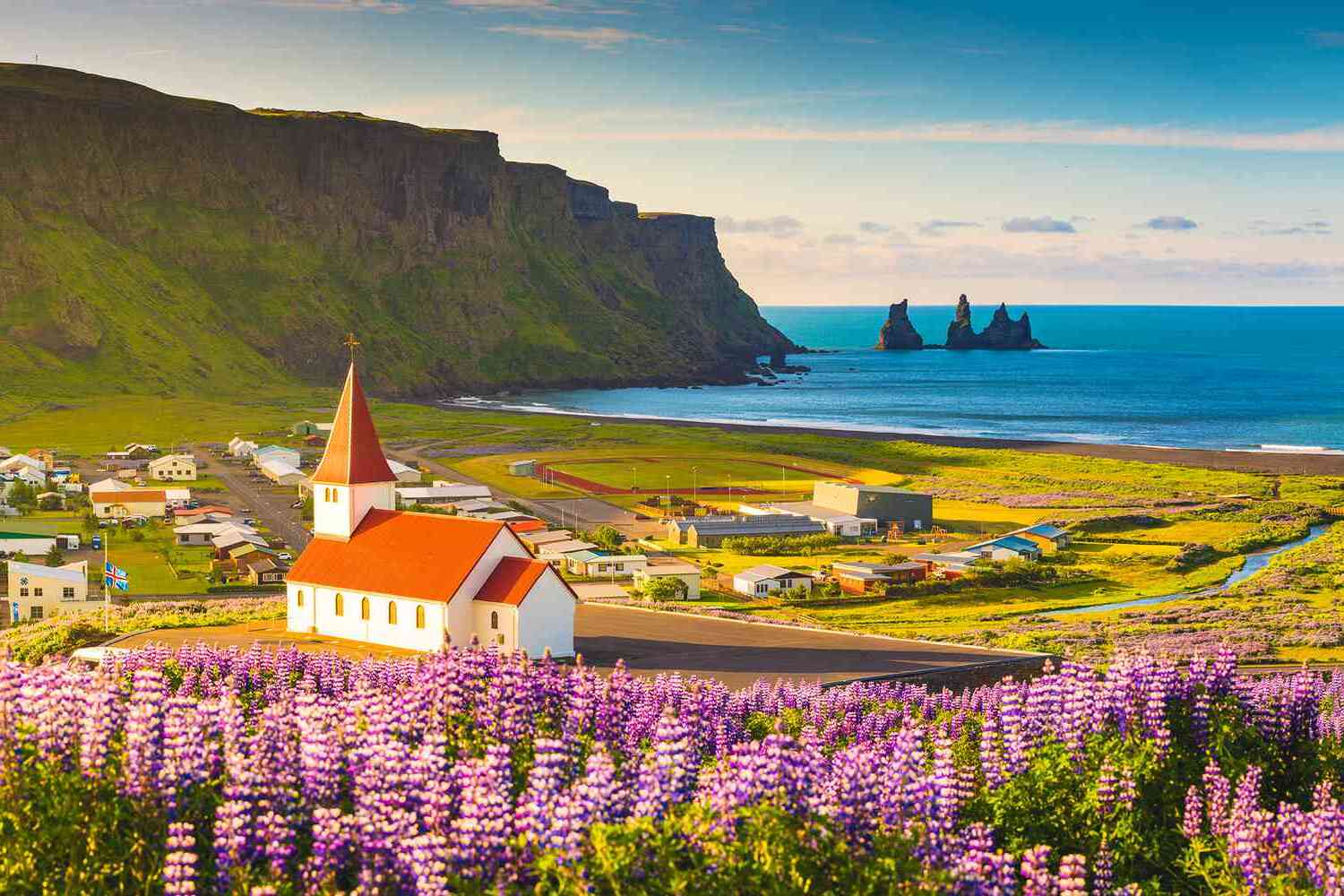
Have you ever wondered why Iceland is called Iceland? Despite its chilly name, Iceland isn't covered in ice year-round. In fact, it has lush green landscapes, hot springs, and volcanoes. The name Iceland might make you think of a frozen wasteland, but the story behind it is quite different. According to legend, early Viking settlers named it Iceland to deter others from coming to this beautiful land. They wanted to keep its natural beauty and resources for themselves. This clever naming strategy worked, and Iceland remained a hidden gem for many years. Curious to learn more about this intriguing name? Let's dive deeper into the history and myths surrounding Iceland.
The Misleading Name
Iceland, despite its icy name, is not a land covered in ice. The story behind its name is quite fascinating and involves a bit of trickery and historical context. Let's dive into the surprising origins of Iceland's name and explore some key places that highlight its true nature.
The Viking Discovery
When the Vikings first arrived in Iceland, they found a land with a mix of ice and lush greenery. The name "Iceland" was chosen strategically to deter other settlers from coming. Here are some places that show the true beauty of Iceland:
Thingvellir National Park: This UNESCO World Heritage site is where the world's first parliament was established. It’s a stunning area with rift valleys, waterfalls, and clear blue waters.
Reykjavik: Iceland’s capital is vibrant and colorful, far from the icy wasteland its name suggests. It’s filled with museums, cafes, and a lively arts scene.
Blue Lagoon: This geothermal spa is one of Iceland’s most famous attractions. The warm, mineral-rich waters are perfect for a relaxing soak, surrounded by a surreal landscape.
The Influence of Nature
Iceland’s name might make you think of endless ice, but the country is actually a land of diverse natural wonders. Here are some places that showcase Iceland’s varied landscapes:
Vatnajökull Glacier: While it is a massive ice cap, the surrounding national park includes volcanoes, hot springs, and lush valleys.
Geysir: The original geyser that gave its name to all others. This geothermal area is full of hot springs and bubbling mud pots.
Jökulsárlón Glacier Lagoon: A breathtaking lagoon filled with floating icebergs. It’s a stunning example of Iceland’s icy beauty mixed with serene waters.
The Green Side of Iceland
Contrary to its name, Iceland has plenty of green landscapes. These places highlight the lush side of the country:
Skógafoss: One of Iceland’s largest waterfalls, surrounded by green cliffs and often adorned with rainbows.
Landmannalaugar: Known for its colorful rhyolite mountains and geothermal hot springs, this area is a hiker’s paradise.
Westfjords: A remote region with dramatic cliffs, green valleys, and abundant wildlife. It’s one of the greenest parts of Iceland.
The Cultural Heritage
Iceland’s name might be misleading, but its culture is rich and vibrant. These places offer a glimpse into the country’s heritage:
Húsavík: Often called the whale-watching capital of Europe, this town also has a charming harbor and interesting museums.
Akureyri: Iceland’s second-largest city, known for its botanical gardens and vibrant cultural scene.
Snæfellsnes Peninsula: Home to the Snæfellsjökull volcano, which inspired Jules Verne’s "Journey to the Center of the Earth." The area is steeped in folklore and history.
The Modern Iceland
Today, Iceland is a blend of ancient traditions and modern innovations. These places reflect the country’s contemporary side:
Harpa Concert Hall: An architectural marvel in Reykjavik, hosting concerts, conferences, and cultural events.
Hallgrímskirkja: This iconic church in Reykjavik offers panoramic views of the city and is a symbol of modern Icelandic architecture.
Perlan: A unique building with a rotating glass dome, housing a museum, planetarium, and observation deck.
Iceland’s name might suggest a frozen land, but the reality is a country full of diverse landscapes, rich culture, and modern wonders.
Iceland's Name: A Misleading Moniker
Iceland's name might make you think of a frozen wasteland, but it's far from that. The island's history and geography tell a different story. Early settlers named it "Iceland" to deter others from coming, hoping to keep the island's resources for themselves. The name stuck, even though the climate is milder than many expect.
Today, Iceland is known for its stunning landscapes, geothermal hot springs, and vibrant culture. The name might be misleading, but it adds to the island's mystique. Visitors often find themselves surprised by the lush greenery, volcanic activity, and friendly locals.
Understanding the story behind Iceland's name gives a deeper appreciation for this unique destination. Next time you think of Iceland, remember it's more than just ice. It's a land of contrasts, where fire and ice coexist, creating a truly magical place.