

Secrets Of Uxmal’s Ancient Water Systems
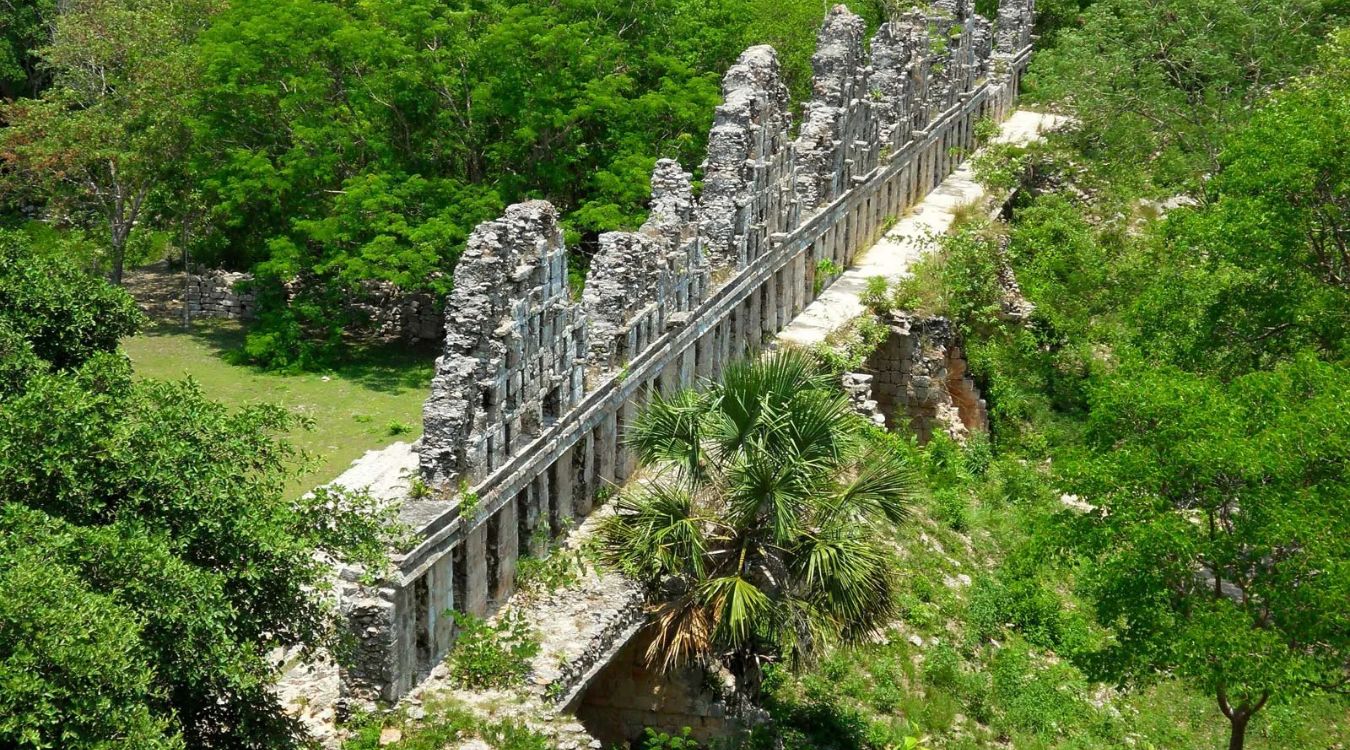
Have you ever wondered how the ancient city of Uxmal managed its water supply? This ancient Mayan city, located in present-day Mexico, is famous for its impressive architecture and advanced engineering. One of the most intriguing aspects of Uxmal is its water systems. Unlike many other Mayan cities, Uxmal did not have a nearby river or cenote to rely on. Instead, the inhabitants developed a sophisticated network of reservoirs, channels, and cisterns to collect and store rainwater. These innovations allowed the city to thrive in a region with limited natural water sources. Let's dive into the secrets of Uxmal's ancient water systems and see how they worked.
Uxmal: A Glimpse into the Past
Uxmal, an ancient Maya city in Mexico, is a marvel of engineering and architecture. Among its many wonders, the sophisticated water systems stand out. These systems were vital for the city's survival, given the region's lack of natural water sources. Let's explore the secrets of Uxmal's ancient water systems.
Chultunes: The Underground Reservoirs
Chultunes are underground cisterns used by the Maya to collect and store rainwater. These reservoirs were essential for sustaining life in Uxmal.
- Structure and Design: Chultunes were carved into the limestone bedrock, with plastered walls to prevent water seepage. Their bottle-like shape maximized storage capacity.
- Water Collection: Rainwater was funneled into chultunes through a network of channels and gutters. This ensured a steady supply during the rainy season.
- Maintenance: Regular cleaning and plastering were necessary to keep chultunes functional. This task was crucial for preventing contamination and ensuring a reliable water supply.
Sacbes: The Elevated Roads
Sacbes, or white roads, were elevated pathways that connected different parts of Uxmal. These roads also played a role in the city's water management.
- Drainage Systems: Sacbes were designed with built-in drainage systems. These channels directed rainwater away from the roads and into chultunes or other storage areas.
- Water Flow Control: The slight incline of sacbes helped control the flow of water, preventing flooding and erosion. This design showcased the Maya's understanding of hydrodynamics.
- Connectivity: Sacbes connected various parts of the city, facilitating the movement of people and goods. This network also ensured efficient water distribution across Uxmal.
Aguadas: The Man-Made Ponds
Aguadas were artificial ponds created by the Maya to store water. These ponds were another crucial component of Uxmal's water system.
- Construction: Aguadas were dug into the ground and lined with clay to retain water. Some were even plastered to enhance their storage capacity.
- Usage: These ponds provided water for agriculture, livestock, and daily activities. They were especially important during the dry season.
- Ecosystem: Aguadas supported a diverse ecosystem, attracting wildlife and promoting biodiversity. This added to the sustainability of Uxmal's water resources.
Cenotes: The Natural Wells
Cenotes are natural sinkholes filled with groundwater. While not as common in Uxmal, they still played a role in the city's water system.
- Formation: Cenotes formed when limestone bedrock collapsed, exposing the groundwater beneath. These natural wells were a valuable water source.
- Access: The Maya built staircases and platforms to access cenotes. This made it easier to draw water and perform rituals.
- Cultural Significance: Cenotes were considered sacred by the Maya. They were often used for religious ceremonies and offerings, highlighting their importance beyond just a water source.
Puuc Hills: The Natural Water Catchment
The Puuc Hills surrounding Uxmal contributed to the city's water management strategy. These hills acted as natural catchment areas.
- Rainwater Collection: The hills collected rainwater, which then flowed into the city's reservoirs and ponds. This natural catchment system supplemented Uxmal's water supply.
- Erosion Control: Vegetation on the hills helped prevent soil erosion, maintaining the integrity of water channels and storage areas.
- Climate Influence: The hills influenced local climate patterns, affecting rainfall distribution. This interplay between natural and man-made systems ensured a stable water supply for Uxmal.
Uxmal's Ingenious Water Systems
Uxmal's ancient water systems reveal the ingenuity of the Maya civilization. These systems, including chultuns and reservoirs, were essential for survival in the arid Yucatán Peninsula. The Maya's ability to harness and manage water resources allowed them to thrive in a challenging environment.
Visiting Uxmal offers a unique glimpse into this advanced engineering. Walking through the ruins, you can see firsthand how the Maya designed their city to capture and store rainwater. It's a testament to their resourcefulness and deep understanding of their surroundings.
Exploring Uxmal not only provides historical insights but also highlights the importance of sustainable water management. The ancient techniques used by the Maya can inspire modern solutions to current water challenges. Uxmal stands as a remarkable example of human innovation and adaptability, making it a must-visit for history enthusiasts and curious travelers alike.
