

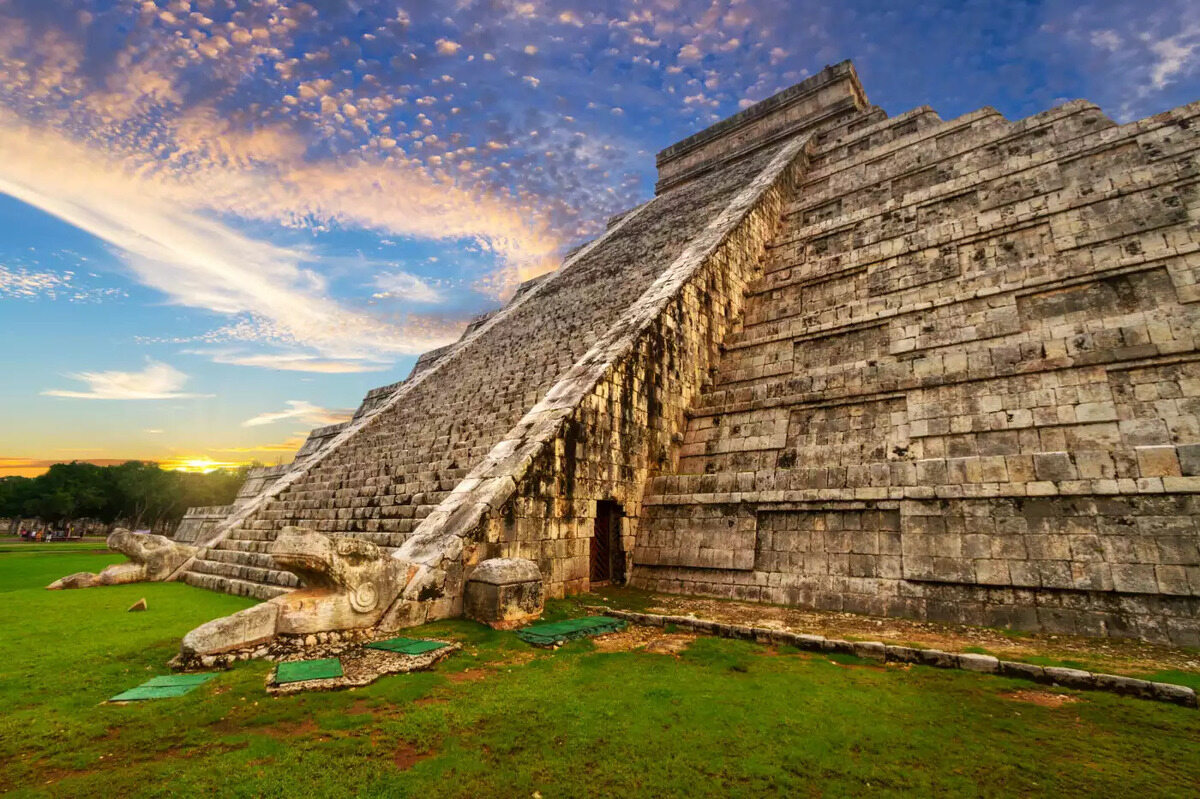
The ten best Mayan ruins in Mexico are Chichen Itza, Tulum, and Palenque, among others, but the list also includes Tikal in Guatemala as a top-tier site. This guide focuses on Mexico's ruins while acknowledging that the Maya world crosses modern borders. From the towering pyramid of Chichen Itza to the coastal beauty of Tulum and the jungle-clad majesty of Palenque, these sites showcase the civilization's architectural genius. For more inspiration, check out our guide to hidden gems in Mexico and things to do in Mexico.
The Majestic Chichen Itza: A Marvel of Mayan Architecture
Chichen Itza, one of the most famous Mayan ruins in Mexico, is a testament to the advanced engineering and mathematical prowess of the ancient civilization. Located in the Yucatan Peninsula, this archaeological site boasts iconic landmarks such as the towering El Castillo pyramid and the enigmatic Temple of the Warriors. As you explore the site, you'll be enthralled by the intricate carvings and the profound astronomical alignments that reflect the Mayans' deep understanding of the cosmos. Discover the sacred cenote, a natural sinkhole once used for religious ceremonies, and marvel at the ancient ball courts where intense athletic competitions took place. Chichen Itza is a UNESCO World Heritage Site and a must-visit destination for history buffs and explorers alike.
Unveiling the Mysteries of Tikal: A Hidden Gem in the Guatemalan Jungle
Tucked away in the dense rainforests of northern Guatemala, Tikal is an awe-inspiring Mayan ruin that will transport you back in time. This sprawling archaeological site is home to towering pyramids, grand plazas, and monumental stone temples that offer breathtaking views of the surrounding jungle. Explore the Great Plaza, where ancient ceremonies and rituals were held, and climb to the top of Temple IV for a mesmerizing panoramic vista. As you wander through the lush greenery, keep an eye out for the diverse wildlife that calls Tikal home, including howler monkeys and vibrant bird species. Immerse yourself in the captivating history and undeniable charm of Tikal, a true hidden gem in the heart of the Guatemalan jungle.
The Enigmatic Tulum: Where Archaeology Meets Stunning Coastal Beauty
Situated on the pristine shores of the Riviera Maya, Tulum blends ancient ruins with breathtaking coastal beauty. The Mayans built their city atop a cliff overlooking the turquoise Caribbean Sea. Explore well-preserved ruins, including the iconic El Castillo perched on the cliff edge, and imagine the trade and maritime activities that once thrived here. After immersing yourself in history, take a refreshing dip in the crystal-clear cenotes or relax on the white sandy beaches. Tulum offers a unique combination of archaeology and stunning coastal landscapes that will capture your heart. For more coastal adventures, check out our guide to the best things to do in Mexico and hidden gems in Mexico.
Unlocking the Secrets of Palenque: A Majestic Mayan Ruin in the Jungle
Hidden deep within the lush jungles of Chiapas, Mexico, lies the captivating archaeological site of Palenque. Known for its intricate architectural details and elaborate hieroglyphs, Palenque offers a glimpse into the religious and political life of the Mayans. Explore the iconic Temple of the Inscriptions, which houses the tomb of the great ruler Pakal the Great, and marvel at the beautifully preserved Palace, adorned with intricate carvings. As you wander through the dense vegetation, you'll feel a sense of wonder and mystery enveloping you. Palenque is a true gem of Mayan civilization waiting to be discovered. For more on exploring the region, check out our guide on how to get to Bucerias from Puerto Vallarta: every way.
The Majestic Uxmal: An Architectural Marvel in the Puuc Region
Located in the Puuc region of the Yucatan Peninsula, Uxmal stands as an exceptional example of Mayan craftsmanship and architectural brilliance. The intricate stone mosaics and highly decorated facades of the Pyramid of the Magician and the Governor's Palace are a testament to the intricate designs and attention to detail that the Mayans employed. As you explore the site, you'll be captivated by the towering structures and the peaceful ambiance that prevail. Don't miss the mesmerizing light and sound show that brings Uxmal's history to life after sundown, adding another layer of enchantment to this extraordinary archaeological site.
Exploring the Ancient City of Coba: A Hidden Treasure in the Jungle
Nestled within the dense forests of the Riviera Maya, Coba offers a truly authentic Mayan experience. As one of the largest Mayan cities, Coba boasts a vast network of ancient roads, known as sacbeob, connecting the numerous pyramids and temples scattered throughout the site. Rent a bicycle or hire a pedicab to explore the expansive grounds and reach the impressive Nohoch Mul, the tallest pyramid in the Yucatan Peninsula. As you climb the steep steps to the summit, savor the panoramic view of the surrounding jungle, a reminder of the grandeur and historical significance of this remarkable site. For travelers seeking off-the-beaten-path adventures, Coba is one of the best hidden gems in Mexico.
The Mystical Ruins of El Rey: A Hidden Gem in Cancun
In the heart of Cancun's Hotel Zone lies a hidden gem that offers a glimpse into the ancient Mayan civilization. The ruins of El Rey may be smaller in scale compared to other Mayan sites, but they are no less fascinating. Explore the well-preserved structures, including temples, ball courts, and intricate carvings, all shrouded in an air of mystery. As you wander through the site, you'll have the opportunity to observe the abundant iguanas that call El Rey home, lending an exotic touch to this archaeological treasure. El Rey is easily accessible, making it a great option for a day trip to immerse yourself in the rich history of the region.
The Enchanting Kohunlich: A Journey into the Heart of the Mayan Civilization
Situated amidst the lush vegetation of the Yucatan Peninsula, Kohunlich offers a journey into the heart of the Mayan civilization. The site is famous for its Temple of the Masks, a pyramid adorned with intricately carved stucco masks of Mayan deities. Explore the ancient residential areas, including the grand Palace of the Stuccoes, which showcases detailed architectural features. Kohunlich's serene ambiance and well-preserved structures make it a destination for those seeking a deeper understanding of Mayan culture. While not among the commonly recommended top 10 Maya sites in Mexico, it remains a captivating option for travelers exploring hidden gems in Mexico.
The Captivating Ek Balam: Uncovering the Hidden Treasures of the Mayan World
Located in the Yucatan Peninsula, Ek Balam offers a journey into the Mayan world. While lesser-known than famous counterparts, it showcases remarkable craftsmanship. Marvel at the intricate stucco decorations adorning the Acropolis, climb the towering pyramid of El Torre, and discover the sacred cenote that was an essential water source for the ancient city. Ek Balam's charm lies in its well-preserved structures and the sense of discovery with every step through its captivating site. For travelers seeking to explore beyond the usual, this is one of the hidden gems in Mexico.
The Historical Tulum: Where Ancient Ruins Meet Pristine Beaches
Tulum offers a unique experience where ancient Mayan ruins meet the Caribbean Sea. Explore El Castillo, perched on a clifftop overlooking azure waters, and envision the maritime trade that once flourished here. Walk along the ancient walls that protected the city, letting the sea breeze guide you through the ruins. After immersing yourself in history, take a dip in the turquoise waters of nearby Tulum beach, where white sand stretches as far as the eye can see. For travelers seeking both culture and coast, Tulum is a highlight among things to do in Mexico. It embodies the Mexican Caribbean, blending awe-inspiring architecture with natural splendor.
Conclusion
Mexico is home to some of the most impressive Mayan ruins and archaeological sites in the world. From the towering structures of Chichen Itza to hidden gems like Tulum and Palenque, exploring the ancient Mayan civilization offers a glimpse into its rich history and architectural brilliance. These well-preserved sites provide insights into the Mayan way of life, and standing in their midst inspires awe at their achievements. Whether you are a history enthusiast, an adventure seeker, or someone who appreciates ancient ruins, exploring these sites should be on your bucket list. For more ideas, check out our guide to hidden gems in Mexico and the complete travel guide to Los Barriles, Mexico. So pack your bags, grab your camera, and get ready to embark on an unforgettable journey through time.
FAQs
1. How many Mayan ruins are there in Mexico?
There are numerous Mayan ruins in Mexico, but some of the most famous ones include Chichen Itza, Tulum, Palenque, Uxmal, and Coba. In total, there are over 4,000 Maya sites scattered throughout the country.
2. Can I climb the pyramids at the Mayan ruins?
While it was once possible to climb some of the pyramids at the Mayan ruins, most of them are now off-limits to visitors. This is to protect the ancient structures and preserve them for future generations. However, you can still explore the ruins and admire their grandeur from ground level.
3. Are guided tours available at the Mayan ruins?
Yes, guided tours are available at most of the Mayan ruins in Mexico. These tours are led by knowledgeable guides who can provide insights into the history, architecture, and significance of the sites. Taking a guided tour can enhance your overall experience and help you appreciate the ruins on a deeper level.
4. Are the Mayan ruins easily accessible?
Many of the Mayan ruins in Mexico are easily accessible by car or public transportation. Some sites, like Chichen Itza and Tulum, are located near popular tourist destinations and can be reached within a few hours. However, there are also more remote sites that may require additional travel arrangements.
5. Can I visit the Mayan ruins on my own?
Yes, you can visit the Mayan ruins on your own. Most sites have designated paths and signage that allow visitors to explore at their own pace. However, it is recommended to do some research beforehand to familiarize yourself with the history and significance of the site you plan to visit.
