

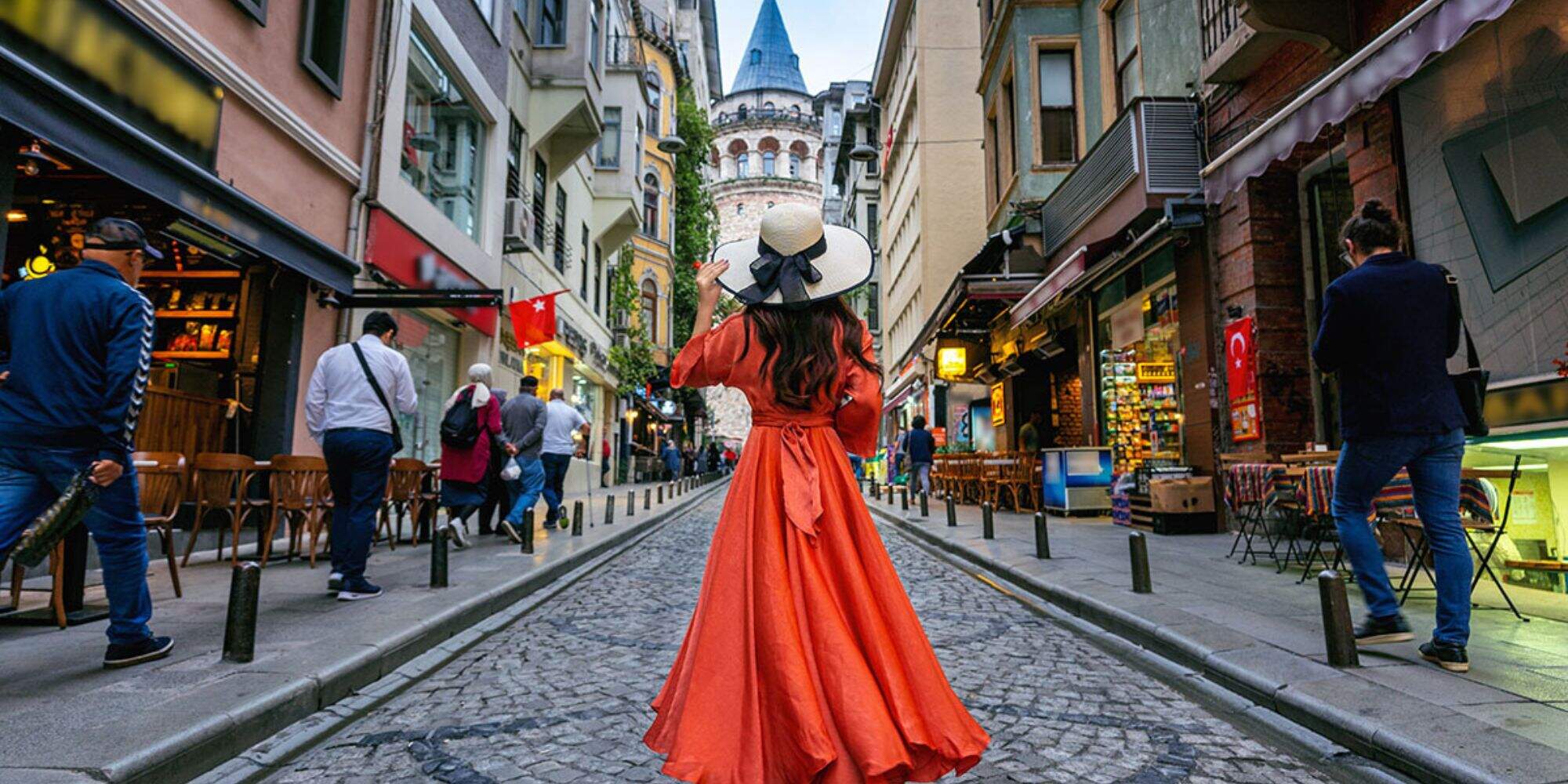
Dress in Turkey as a woman tourist by covering your shoulders and knees in conservative areas and mosques, while shorts, dresses, and T-shirts are fine in major cities and tourist spots. The key exception is that tank tops and spaghetti straps may not be suitable in conservative or rural areas, where revealing attire should be avoided.
Understanding Turkish Culture and Customs
To understand how women should dress in Turkey, it is essential to have an understanding of Turkish culture and customs. Turkey is a country with a diverse history and a blend of various influences, including Ottoman, Byzantine, and Islamic traditions. While Turkey is a secular country, Islam plays a significant role in its cultural identity.
Respect for religion and conservative values are deeply ingrained in Turkish society. In urban areas such as Istanbul and Ankara, you will find a mix of modern and traditional lifestyles. However, in more rural and conservative regions, traditional customs and Islamic practices are more prevalent. In major cities and tourist areas, shorts, dresses, and T-shirts are generally acceptable.
One of the key aspects of Turkish culture is the concept of modesty. Modesty in clothing is seen as a way to show respect, dignity, and maintain social harmony. It is important to note that modesty applies to both men and women, although women's attire tends to receive more attention and scrutiny. In conservative or rural areas, avoid shorts, mini-skirts, or any revealing attire.
Another factor to consider is the influence of the Turkish family structure. Family values are highly emphasized, and individuals are expected to behave in a manner that upholds the honor and reputation of their family. This emphasis extends to dress codes, particularly for women, as they are seen as representing the honor and integrity of their families.
While Turkey is increasingly embracing Western influences, it is crucial to remember that certain conservative traditions and cultural norms continue to shape the expectations of dress. Tank tops and spaghetti straps may not be suitable in conservative areas or mosques where shoulders should be covered. Being aware of these cultural nuances will enable women to dress appropriately, show respect for the local customs, and foster positive interactions with the locals. For those planning their trip, an Istanbul travel guide can offer practical insights on navigating these cultural expectations in a major city.
Dressing Modestly in Turkey
When it comes to dressing in Turkey as a woman, prioritizing modesty shows respect for local culture and helps avoid unwanted attention. While there is no strict dress code, general guidelines ensure a comfortable and culturally appropriate experience.
Opt for clothing that covers the shoulders, upper arms, and knees. Revealing or tight-fitting clothes may be seen as immodest. Choose loose-fitting, breathable fabrics suited to Turkey's warm climate.
For tops, choose t-shirts, blouses, or shirts with sleeves and not excessively low-cut. Avoid sheer fabrics or plunging necklines. While sleeveless tops may be acceptable in more touristy areas, keep a light cardigan or scarf handy to cover shoulders when visiting religious sites or conservative areas.
For bottoms, knee-length skirts, capris, or pants are best. By keeping legs covered in conservative settings, women show respect and avoid potential discomfort.
For swimwear, most tourist areas and resorts allow typical beachwear, but choose modest swimsuits and carry a sarong or cover-up when leaving the beach or pool area.
Overall, dress respectfully of local customs while allowing personal comfort and style. Following these guidelines helps ensure a seamless experience when exploring Turkey, whether you're following an Istanbul travel guide or seeking out hidden gems in Turkey.
Clothing Guidelines for Women
When traveling to Turkey as a woman, following certain clothing guidelines helps ensure cultural sensitivity and respect. While you don’t need to adopt traditional Turkish clothing, incorporating modesty and cultural awareness can foster positive interactions and enrich your Turkish travel experiences in Turkey.
Here are key clothing guidelines for women:
- Cover your shoulders and upper arms: Opt for tops with sleeves that cover the shoulders and upper arms.
- Avoid low-cut tops: Choose tops with modest necklines, especially when visiting religious sites or conservative areas.
- Wear knee-length skirts or pants: Opt for skirts, capris, or pants that cover the knees. In conservative or rural areas, avoid wearing short skirts, shorts, or any revealing attire.
- Avoid tight-fitting clothes: Choose loose-fitting clothing for freedom of movement and breathability.
- Choose lightweight and breathable fabrics: Turkey can have hot summers, so cotton or linen fabrics are comfortable choices.
- Have a scarf or shawl handy: Carry a lightweight scarf in your bag to cover your head, shoulders, or as a modesty cover when visiting religious sites.
- Choose modest swimwear: At beach areas and resorts, choose swimsuits with adequate coverage. Carry a cover-up or sarong to wear outside the beach or pool area.
Following these guidelines demonstrates respect for Turkish culture and helps ensure your comfort and safety throughout your trip. For more local insights, consult an Istanbul travel guide or a Cappadocia travel guide for area-specific advice.
Recommended Clothing Items for Women
When preparing your travel wardrobe for a trip to Turkey, it is important to pack clothing items that provide comfort in the local climate while respecting cultural norms. Here are some recommended clothing items for women:
- Modest Tops: Pack tops that cover the shoulders and upper arms. Opt for lightweight blouses, tunics, or shirts that can be paired with different bottoms.
- Long-Sleeve Shirts: It is beneficial to have a few long-sleeve shirts that can be layered or worn alone. This provides protection from the sun and can be useful for visiting religious sites.
- Maxi Dresses and Skirts: Maxi dresses and skirts that fall below the knee are a great option for staying cool and stylish while maintaining modesty.
- Lightweight Pants or Capris: Pack a couple of comfortable pants or capris made of breathable fabric. These are versatile and can be paired with various tops.
- Cardigans or Light Jackets: It's always a good idea to have a lightweight cardigan or jacket in case of cooler evenings or when visiting religious sites that require more coverage.
- Comfortable Walking Shoes: Opt for comfortable shoes suitable for walking and exploring. Sandals or sneakers are recommended, depending on your preference.
- Modest Swimwear: If you plan to visit beaches or enjoy swimming, pack a modest swimsuit that covers your body appropriately. A cover-up or sarong can be handy when leaving the beach or pool area.
- Accessories: Carry a lightweight scarf or shawl that can be used to cover your head, shoulders, or as a modesty cover when needed. Also, consider bringing a wide-brimmed hat for sun protection.
By packing these recommended items, you can ensure you are dressed appropriately while staying comfortable in the Turkish climate, whether you are exploring an Istanbul travel guide itinerary or discovering hidden gems in Turkey.
Dos and Don'ts for Women's Clothing in Turkey
Understanding the dos and don'ts of women's clothing in Turkey can help you navigate cultural expectations. Here are key guidelines:
Do:
- Choose clothing that covers shoulders, upper arms, and knees, especially in conservative or rural areas.
- Opt for loose-fitting, breathable fabrics suitable for the climate.
- Bring a lightweight scarf or shawl to cover your head or shoulders, or use as a modesty cover when necessary.
- Pack long-sleeve shirts or cardigans to layer for more coverage if needed.
- Wear comfortable walking shoes for exploring cities or historical sites.
- Respect dress codes at religious sites and mosques, such as covering your head and removing your shoes.
Don't:
- Wear revealing or tight-fitting clothing that may attract unnecessary attention.
- Choose tops with plunging necklines or excessively low-cut designs.
- Disregard cultural norms in more conservative areas of Turkey.
- Assume tourist areas have the same dress code expectations as other parts of the country.
Dressing modestly shows respect for local culture and allows for a more immersive travel experience. For more on navigating customs, consult an Istanbul travel guide before your trip.
Tips for Dressing Appropriately as a Woman Tourist in Turkey
Dressing appropriately as a woman tourist in Turkey shows cultural sensitivity and enhances your overall travel experience. Here are practical tips:
- Observe and learn from the locals: Take cues from local women's dress styles in different settings and try to blend in.
- Cover your shoulders and knees: Opt for clothing that covers your shoulders and knees, especially when visiting religious sites, mosques, or conservative areas.
- Layer up: Pack lightweight layers, such as cardigans or scarves, that can be easily added or removed depending on the situation or weather.
- Respect religious sites: When visiting mosques or religious sites, dress more conservatively. Carry a scarf to cover your head if necessary, and remove your shoes as a sign of respect.
- Choose loose-fitting clothing: Opt for loose-fitting garments for comfort and breathability in Turkey's warm climate.
- Be mindful of swimwear: While tourist areas and resorts may have relaxed swimwear rules, choose modest swimsuits and have a cover-up or sarong handy for when you leave the beach or pool area.
- Pack comfortable shoes: Turkey is best explored by foot, so bring comfortable walking shoes for various terrains and surfaces.
- Respect local customs: Be conscious of cultural and religious norms in the regions you visit, and dress accordingly.
- Use common sense: If unsure about what to wear, err on the side of caution and dress more modestly.
- Embrace cultural exchange: Engage with local culture and people with an open mind. Learn about Turkish traditions to enrich your Turkish travel experiences in Turkey.
Dressing appropriately respects local culture, helps you feel more comfortable, and enhances your interactions with the people of Turkey. Following these tips allows for a more rewarding travel experience in this beautiful country.
Conclusion
Understanding and respecting local customs is paramount. By dressing modestly, women can show cultural sensitivity while enhancing safety, comfort, and their overall travel experience.
Key guidelines include covering shoulders, upper arms, and knees; choosing loose-fitting, breathable fabrics; and being mindful at religious sites. Comfortable walking shoes and layering options are essential. For a deeper connection, consider exploring the "hidden gems in Turkey" and consulting an "Istanbul travel guide" to enrich your journey.
Remember to observe locals, adapt to different settings, and be mindful of swimwear choices. By dressing appropriately, you can explore Turkey’s historic sites and vibrant cities with confidence. This cultural understanding helps create lasting memories in this enchanting country.
