

Hidden Roman Baths Of Turkey’s Hierapolis
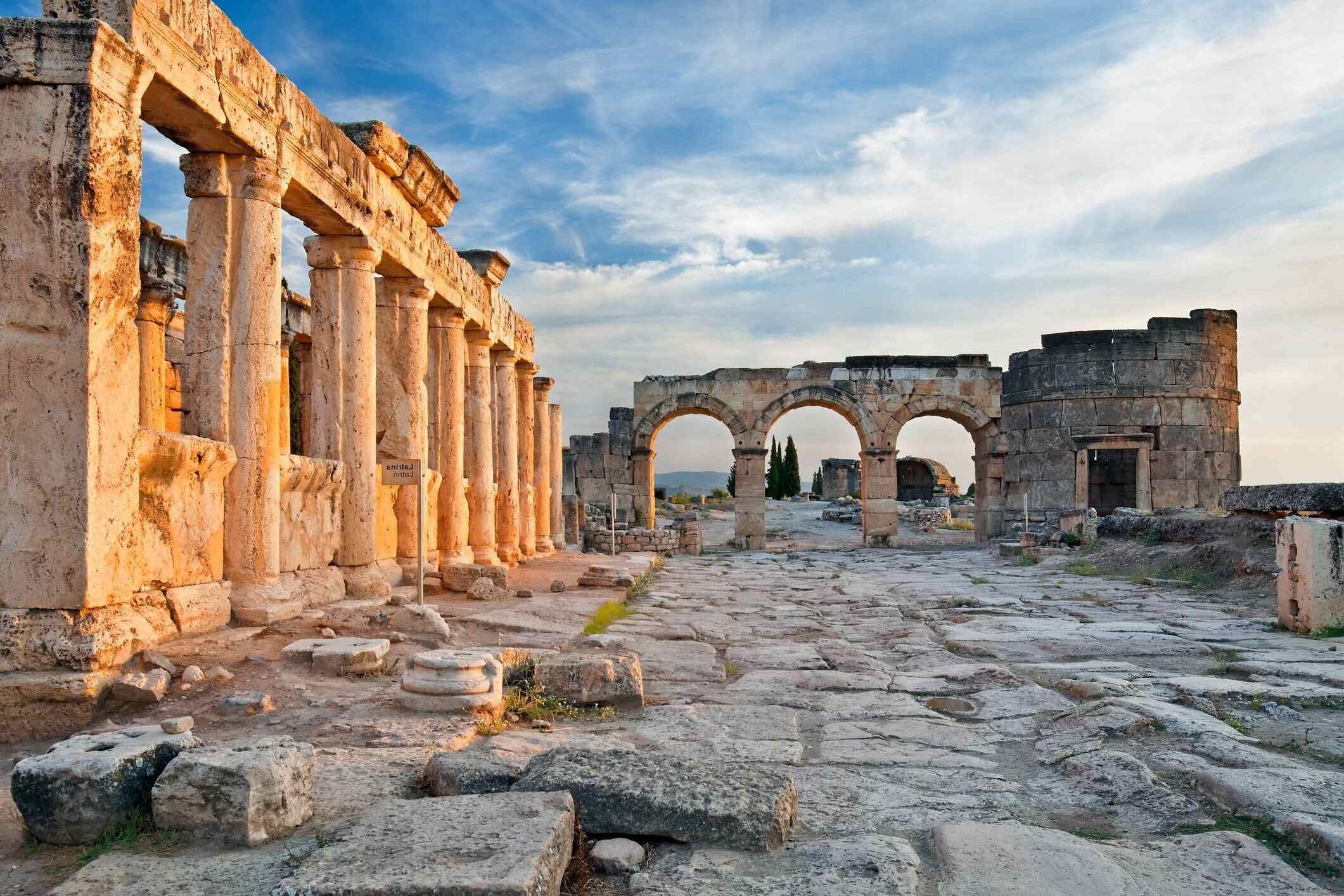
Have you ever wondered about the hidden gems of ancient Turkey? One such marvel is the Roman Baths of Hierapolis. Nestled in the heart of modern-day Pamukkale, these baths offer a glimpse into the luxurious life of ancient Romans. Imagine soaking in warm, mineral-rich waters while surrounded by stunning marble columns and intricate mosaics. These baths were not just for bathing; they served as social hubs where people gathered to relax, chat, and even conduct business. Visiting the Roman Baths of Hierapolis is like stepping back in time, offering a unique blend of history, culture, and natural beauty.
Discovering the Hidden Roman Baths of Hierapolis
Hierapolis, an ancient city in Turkey, is a treasure trove of history and culture. Among its many wonders, the hidden Roman baths stand out as a testament to the engineering prowess and luxurious lifestyle of the Romans. These baths, often overshadowed by the more famous Pamukkale terraces, offer a unique glimpse into the past. Let's dive into the hidden gems of Hierapolis' Roman baths.
The Grand Bath Complex
The Grand Bath Complex is the largest and most impressive of all the Roman baths in Hierapolis. This sprawling structure showcases the grandeur and sophistication of Roman architecture.
- The Frigidarium: This cold room was used to cool down after a hot bath. Its high ceilings and marble floors are a sight to behold.
- The Tepidarium: A warm room that served as a transition between the hot and cold baths. The intricate mosaics on the floor are still visible today.
- The Caldarium: The hot room, heated by an underground furnace. The walls are lined with marble, and the remnants of the hypocaust system can still be seen.
The Antique Pool
The Antique Pool, also known as Cleopatra's Pool, is a thermal pool that has been used since Roman times. Legend has it that Cleopatra herself swam here.
- The Thermal Waters: The pool is fed by natural hot springs, making it a perfect spot for relaxation. The mineral-rich waters are believed to have healing properties.
- The Sunken Columns: The pool is filled with ancient columns and marble pieces, giving it a unique underwater landscape. Swimming among these ruins feels like stepping back in time.
The Private Baths
Apart from the public baths, Hierapolis also had private baths for the wealthy elite. These smaller, more intimate baths offer a glimpse into the luxurious lifestyle of the Roman aristocracy.
- The Domus Baths: Located within the private homes of the wealthy, these baths were smaller but no less luxurious. The intricate frescoes and mosaics are still visible in some areas.
- The Villa Baths: These baths were part of larger villas and often included private gardens and courtyards. The combination of indoor and outdoor spaces made them a perfect retreat.
The Gymnasium Baths
The Gymnasium Baths were part of a larger complex that included a gymnasium, where athletes would train before relaxing in the baths.
- The Palaestra: This open-air courtyard was used for physical exercises. The surrounding porticoes provided shade and a place to rest.
- The Apodyterium: The changing room where athletes would store their belongings before heading to the baths. The stone benches and niches for storing clothes are still intact.
The Sacred Baths
The Sacred Baths were located near the temples and were used for ritual purification. These baths had a spiritual significance and were often visited by pilgrims.
- The Temple Baths: Located near the Temple of Apollo, these baths were used by priests and pilgrims. The proximity to the temple added a spiritual dimension to the bathing experience.
- The Nymphaeum Baths: These baths were dedicated to the nymphs, minor deities associated with water. The elaborate fountains and statues added a touch of divine beauty to the baths.
Hierapolis' hidden Roman baths offer a fascinating glimpse into the past. Each bath, with its unique features and history, tells a story of a time when bathing was not just a necessity but an art form.
Discovering Ancient Wonders
Hierapolis offers a unique glimpse into ancient Roman life. The hidden Roman baths are a testament to the engineering skills and luxurious lifestyle of that era. Walking through these ruins, you can almost hear the echoes of conversations and feel the steam from the hot springs. This site isn't just for history buffs; it's for anyone who appreciates beauty and craftsmanship.
Visiting Hierapolis is like stepping back in time. The baths, with their intricate mosaics and grand architecture, tell stories of a bygone era. Exploring these ancient wonders provides a deeper understanding of Roman culture and its influence on modern society.
Don't miss the chance to see this hidden gem. Whether you're a history enthusiast or just looking for a unique travel experience, Hierapolis and its Roman baths offer something truly special.
