

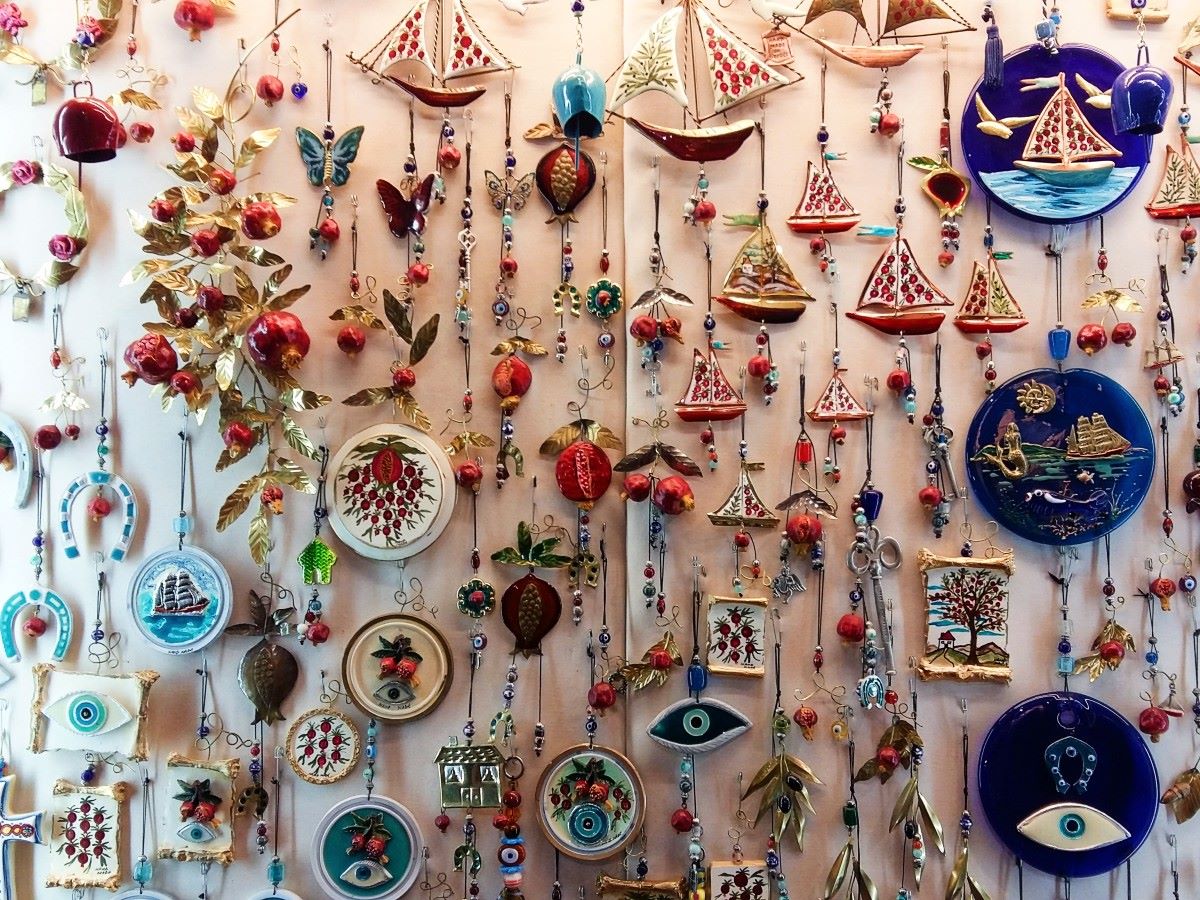
A good souvenir from Greece is a traditional product like olive oil, feta cheese, or honey that captures the country’s culinary heritage. The best choice depends on whether you want a taste of local flavor or a handmade craft that reflects cultural traditions.
Traditional Greek Products
One of the most popular types of souvenirs from Greece is traditional Greek products. These items make excellent gifts and let you bring home a piece of the country's culinary heritage. Here are a few worth considering:
Related travel guides: What Is A Good Souvenir From Portugal.
- Olive Oil: Greece is renowned for its exceptional olive oil production. Known for its rich flavor and health benefits, Greek olive oil is a staple in Mediterranean cuisine. Greek olive oil is often made from the Koroneiki variety of olives, which are small but highly flavorful. Consider bringing back a bottle of extra virgin Greek olive oil to elevate your home-cooked meals.
- Feta Cheese: Another iconic Greek product is feta cheese. Made from sheep's milk or a combination of sheep's and goat's milk, feta cheese is tangy, salty, and delicious. It can be enjoyed on its own, in salads, or as a topping.
- Greek Honey: Greece offers a variety of unique honey flavors, thanks to its diverse flora. From thyme honey to pine honey, the country provides options that are delicious and have health benefits.
- Greek Wines: Greece has a long history of wine production, dating back thousands of years. The country boasts indigenous grape varieties, producing wines with distinct flavors and aromas. Consider bringing back a bottle or two of Greek wine to savor the taste of the terroir.
- Greek Spices and Herbs: Greek cuisine relies on herbs and spices like oregano, thyme, rosemary, and sage. You can find high-quality Greek spices and herbs to enhance your cooking.
When purchasing traditional Greek products, look for authentic, locally sourced items. Many small-scale producers offer their products in local markets or specialty shops. For a deeper dive, consider exploring hidden olive oil tasting farms in Kalamata's Peloponnese to experience the craftsmanship firsthand.
By choosing traditional Greek products as souvenirs, you support local businesses and bring a piece of Greece's culinary heritage into your home, allowing you to savor the flavors of this captivating country even after your trip has ended.
Olive Oil
When you think of Greece, one of the first things that may come to mind is their exceptional olive oil. Renowned for its superior quality and exquisite taste, Greek olive oil is a must-have souvenir for any visitor to the country.
Greece has a long history of olive oil production, dating back thousands of years. The country's favorable climate and fertile soil provide the perfect conditions for cultivating olive trees.
There are several reasons why Greek olive oil stands out. Firstly, it is known for its exceptional taste. The olives are harvested at the perfect moment of ripeness, ensuring a balanced and smooth flavor profile. Greek olive oil has a slightly fruity and peppery taste, with hints of grass and herbs, making it a perfect accompaniment to salads, grilled vegetables, and dipping bread.
Secondly, Greek olive oil is renowned for its health benefits. It is rich in monounsaturated fats, which are considered heart-healthy. It is also packed with antioxidants and polyphenols, which have anti-inflammatory properties and can contribute to better heart health.
When purchasing Greek olive oil as a souvenir, look for bottles labeled "extra virgin," which indicates the highest quality. Additionally, choose olive oil that is cold-pressed, meaning it is extracted without heat or chemicals. For travelers exploring Greek destinations and itineraries in Greece, seeking out hidden olive oil tasting farms in Kalamata's Peloponnese can add a memorable local experience to your trip.
Greek olive oil can be found in various sizes, from small travel-friendly bottles to larger containers for home use. Consider purchasing a few bottles, as they make excellent gifts. Remember to check your country's customs regulations regarding the transportation of liquids.
Bringing back a bottle of Greek olive oil not only allows you to enjoy its exceptional taste but also serves as a reminder of the sun-kissed olive groves and stunning landscapes of Greece. It is a true embodiment of the country's rich agricultural heritage.
Feta Cheese
No visit to Greece would be complete without indulging in their iconic feta cheese. Known for its creamy texture and tangy flavor, feta cheese is a staple in Greek cuisine and makes for a delectable souvenir to bring back home.
Feta cheese has a long history in Greece, dating back thousands of years. It is traditionally made from sheep's milk or a combination of sheep's and goat's milk, giving it a unique taste and texture. The curds are formed using natural bacteria cultures, then aged and preserved in a salty brine solution.
What sets Greek feta cheese apart is its authentic production methods and distinct characteristics. Traditional Greek feta cheese is made from high-quality milk sourced from local farmers, ensuring its freshness and authenticity. It has a slightly crumbly texture and a tangy, salty, and rich flavor that adds depth to various dishes.
When purchasing feta cheese as a souvenir, opt for the authentic variety that is produced in specific regions of Greece, such as the areas of Epirus and Macedonia. Look for labels indicating PDO (Protected Designation of Origin), which guarantees that the cheese is made using traditional methods and ingredients from those specific regions.
Feta cheese can be enjoyed in numerous ways. It is commonly used in Greek salads, pastries, and savory pies. It pairs well with fresh fruits, honey, and nuts, making it a versatile ingredient for both savory and sweet dishes. When serving feta cheese, drizzle it with a little olive oil and sprinkle it with dried herbs for an extra burst of flavor.
Since feta cheese is a perishable product, it's important to consider its shelf life and transportation requirements. Depending on the length of your stay and the duration of your journey home, you may need to purchase vacuum-sealed or canned feta cheese, which can last longer without refrigeration.
By bringing back feta cheese from Greece, not only do you get to enjoy its exceptional taste, but you also get to share a part of Greek culinary culture with your loved ones. It's a delicious and authentic souvenir that embodies the essence of Greek cuisine and will transport you back to the flavors of Greece whenever you indulge in it.
Greek Honey
Greek honey is renowned worldwide for its exceptional quality, distinct flavors, and health benefits. A jar of this golden liquid is a sweet souvenir that captures the essence of the country's biodiversity and rich flora.
Greece's diverse landscape and favorable climate create ideal conditions for bees to produce honey from a wide range of flowering plants, including thyme, pine, wildflowers, and herbs, which lend unique flavors and aromas.
One of the most sought-after types is thyme honey. Produced in regions such as Crete, the Peloponnese, and the islands, it has a distinct floral aroma and rich, amber color. It is often enjoyed drizzled over yogurt, in herbal teas, or as a topping for desserts.
Pine honey, another popular variety, is derived from the resinous sap of pine trees. It has a dark color and a complex, slightly woody taste. Pine honey is often used in traditional Greek pastries and is believed to have health benefits due to its high antioxidant content.
Aside from thyme and pine honey, Greece offers orange blossom honey, wildflower honey, and fir honey, among others. For travelers exploring Greek destinations and itineraries in Greece, seeking out local honey varieties is a rewarding experience.
When purchasing Greek honey, look for products labeled as "raw" or "unprocessed." These maintain the highest nutritional value and preserve natural enzymes and antioxidants.
Greek honey is a natural source of vitamins and minerals, has antioxidant and anti-inflammatory properties, and is known to support digestive health and boost the immune system. Bringing back a jar allows you to savor the unique flavors of the country and support local beekeepers.
Greek Wines
Greece has a rich history of winemaking that dates back thousands of years, and its diverse climate and distinct grape varieties have resulted in a remarkable range of Greek wines. Bringing back a bottle or two of Greek wine is a delightful souvenir and an opportunity to explore the unique flavors of this ancient craft.
Greek wine production is centered around various regions, each offering its own terroir and grape varietals. From the aromatic whites of the Aegean islands to the robust reds of the mainland, there is a Greek wine to suit every taste.
One iconic Greek white wine is Assyrtiko, grown primarily on the island of Santorini. This crisp, refreshing wine has citrusy notes, minerality, and a distinct volcanic character due to the island's volcanic soil. Assyrtiko pairs exceptionally well with seafood and Mediterranean cuisine.
For red wine enthusiasts, Agiorgitiko from the region of Nemea is a fantastic choice. This versatile grape produces medium to full-bodied wines with ripe fruit flavors and hints of spice, pairing wonderfully with grilled meats, stews, and aged cheeses.
Another beloved Greek red wine is Xinomavro, grown mainly in the northern region of Macedonia. Xinomavro wines are typically bold, complex, and age-worthy, with flavors of dark fruits, earth, and herbs. They pair superbly with hearty dishes and are often compared to the great wines of Burgundy.
When selecting Greek wines as souvenirs, consider exploring small-batch, boutique wineries that prioritize quality and showcase their region's unique characteristics. Many wineries offer tastings and cellar tours, providing an opportunity to learn about the winemaking process. For travelers planning their trip, exploring Greek destinations and itineraries in Greece can help you find these hidden gems.
Keep in mind that some Greek wines are best enjoyed young, while others benefit from aging. Check the label or consult a knowledgeable staff member to understand the wine's aging potential and recommended drinking window.
Bringing back a bottle of Greek wine allows you to share the flavors of the country with friends and family, while appreciating the ancient art of winemaking perfected over centuries. It is a way to connect with Greece's cultural heritage and indulge in a sensory experience that will transport you back to its enchanting landscapes and rich traditions.
Greek Spices and Herbs
Greek cuisine is renowned for its flavorful dishes, and the key to these flavors lies in high-quality spices and herbs. Bringing back Greek spices and herbs as souvenirs allows you to recreate the vibrant tastes of Greece in your own kitchen while recalling the country's rich culinary heritage.
Greece’s favorable climate and fertile soil yield a diverse array of aromatic plants. From oregano and thyme to rosemary and sage, these herbs add depth and fragrance to both traditional and modern recipes.
One of the most iconic Greek herbs is oregano, known for its robust, earthy flavor and slightly floral taste. It is a key ingredient in many Greek dishes, including the famous Greek salad. Consider bringing back dried Greek oregano to sprinkle over roasted vegetables, grilled meats, or homemade pizzas.
Thyme is another essential herb, prized for its delicate fragrance and slightly minty flavor. Greek “mountain thyme” has a more intense flavor than other varieties and is often used in stews, roasted meats, and marinated olives.
Rosemary, with its woody aroma and pine-like taste, pairs well with roasted potatoes, grilled fish, and hearty vegetable dishes. Adding Greek rosemary infuses dishes with Mediterranean charm.
Beyond these popular herbs, Greek cuisine includes dried mint, basil, dill, and savory. Many are harvested and dried in the Greek countryside, ensuring authenticity and superior flavor.
When purchasing, look for reputable sources offering organic, wild-harvested, or locally grown varieties. These provide the most aromatic additions to your cooking. For travelers exploring the region, hidden olive oil tasting farms in Kalamata's Peloponnese often sell herbs alongside their oils, offering a chance to sample local products. Bringing back Greek spices and herbs lets you incorporate a taste of Greece into everyday cooking, transporting your taste buds to the sun-soaked landscapes of Greece.
Traditional Handmade Crafts
One of the most meaningful souvenirs from Greece is a traditional handmade craft, reflecting the country's cultural heritage and skilled artisans. These items represent Greek traditions and artistic expression, making unique gifts that support local artisans and preserve crafts passed down through generations.
There is a range of traditional Greek crafts to choose from, each with distinct style and symbolism:
Hand-painted Ceramics: Greece is known for its hand-painted ceramics, including ornate plates, vases, decorative tiles, and bowls. These pieces often feature motifs inspired by Greek mythology, nature, or traditional patterns, and work as display items or functional kitchenware.
Leather Goods: Greece has a long tradition of leather craftsmanship, producing high-quality bags, wallets, belts, and sandals. Many items are hand-stitched using traditional techniques, known for durability and timeless style.
Byzantine Jewelry: Byzantine heritage influences jewelry-making traditions, with intricate designs featuring crosses, Byzantine motifs, and gemstones. These handcrafted pieces carry symbolic and historical significance.
Traditional Clothing and Accessories: Embroidered shirts (known as "foustanela") and intricate headscarves (known as "mandili") reflect the cultural identity of different regions in Greece. These handmade garments are made with attention to detail and can be worn on special occasions or displayed decoratively.
When purchasing traditional handmade crafts, look for artisans who create with care and integrity. Local markets and artisan shops are excellent places to find these items, where you can interact directly with artisans and learn the stories behind their craftsmanship. For those planning broader travel, consider how these crafts complement your exploration of Greek destinations and itineraries in Greece, or seek out hidden olive oil tasting farms in kalamata's Peloponnese for additional authentic experiences.
A traditional handmade craft from Greece is not just a souvenir; it is a piece of artistry carrying the spirit of the country's cultural heritage, offering a tangible connection to Greece's rich traditions while supporting the artisans who keep these crafts alive.
Hand-painted Ceramics
Greece is renowned for its hand-painted ceramics, which are both decorative and excellent souvenirs. These pieces showcase the skill and artistic heritage of Greek craftsmen.
Hand-painted ceramics come in various forms, from plates, bowls, and vases to decorative tiles and figurines. Each piece is meticulously hand-crafted with intricate designs that make them one-of-a-kind.
Designs often draw from Greek mythology, ancient symbols, nature, and traditional patterns. Motifs such as olive branches, waves, meanders, and scenes from ancient Greek stories are common. One popular style uses a blue and white color scheme reminiscent of the Greek landscape and architecture, echoing the Mediterranean Sea and white-washed buildings.
When purchasing, visit local markets or artisan shops to directly support the artisans and find unique pieces. These ceramics make excellent decorative items for your home, adding a touch of Greek charm. They can be functional or purely decorative—use them for serving food or displaying flowers to incorporate them into daily rituals.
Hand-painted ceramics also make exceptional gifts, representing the vibrant culture and artistic traditions of the country. Whether a hand-painted plate or a delicately designed vase, they delight loved ones. By bringing them back, you acquire a tangible piece of artistry and support local artisans who keep this traditional craft alive. These ceramics serve as a lasting reminder of your time in Greece and a way to infuse your home with the country’s rich cultural heritage.
And if you love local flavors, consider visiting hidden olive oil tasting farms in kalamata's Peloponnese to complement your ceramic souvenirs.
Leather Goods
Greece has a rich tradition of leather craftsmanship, and bringing back leather goods as souvenirs allows you to take home a piece of this age-old artistry. Greek leather goods are known for their exceptional quality, timeless style, and durability.
Leather artisans in Greece produce bags, wallets, belts, shoes, and sandals using traditional techniques and attention to detail. Each piece is crafted with precision, ensuring longevity and a touch of luxury. Artisans often use locally sourced leather, processed to achieve a soft and supple texture that lends each piece a unique character.
Stylistically, Greek leather goods combine traditional influences with contemporary designs—from classic and elegant to modern and innovative. Whether it’s a sleek leather bag, a stylish belt, or a pair of handmade sandals, these products make a statement. Their durability makes them practical choices for everyday use, remaining in excellent condition for years.
Purchasing leather goods in Greece supports local artisans and keeps traditional craft alive. Many leather workshops and boutiques can be found in major cities and tourist areas, offering opportunities to interact with artisans and learn about their process. For travelers exploring Greek destinations and itineraries in Greece, seeking out these workshops adds a meaningful layer to the journey.
Whether you’re looking for a stylish handbag, a sleek wallet, or comfortable leather shoes, Greek leather goods offer a combination of quality, style, and handcrafted artistry. They are functional pieces of art that enhance everyday life and serve as a lasting reminder of Greece’s rich leather tradition.
Byzantine Jewelry
Greece's Byzantine heritage has shaped artistic traditions, including the creation of exquisite Byzantine jewelry. Bringing back Byzantine jewelry as a souvenir lets you own a piece of history, showcasing the intricate beauty and symbolism each piece represents.
Byzantine jewelry is known for intricate designs, delicate craftsmanship, and rich symbolism. Each piece reflects the artistry that flourished during the Byzantine Empire, which spanned over a thousand years. Motifs often incorporate elements from Christianity and Byzantine art, such as crosses, religious figures, intricate patterns, and gemstones, carrying a sense of spirituality, history, and cultural heritage.
One iconic example is the cross pendant, often adorned with gemstones or intricate filigree work—these pendants are beautiful accessories that carry symbolic significance as representations of faith and devotion. Other popular pieces include earrings, bracelets, and rings, showcasing the artistry of Byzantine goldsmiths with their intricate patterns and attention to detail. Many are crafted using techniques passed down through generations, preserving this ancient craft.
When purchasing Byzantine jewelry, look for reputable jewelers who specialize in authentic pieces using traditional methods. Visit jewelry stores or studios that showcase the craftsmanship and provide insights into the history and symbolism behind each piece. By choosing Byzantine jewelry as a souvenir, you acquire a beautiful, meaningful piece of art and support the continuation of this traditional craft.
Each piece serves as a tangible connection to Greece's rich history and cultural heritage. Whether worn as personal adornment or displayed as an art piece, Byzantine jewelry becomes a statement of elegance, spirituality, and appreciation for Greek craftsmanship. For those exploring Greek destinations and itineraries in Greece, seeking out these treasures in Athens or beyond adds depth to your journey. Byzantine jewelry is not just a souvenir; it is a treasure that carries the essence of Greece's magnificent past into the present day.
Traditional Clothing and Accessories
Greece's cultural diversity is mirrored in its traditional clothing and accessories, which vary from region to region. Bringing back traditional Greek garments and accessories as souvenirs allows you to cherish the country's rich heritage.
Traditional Greek clothing is characterized by vibrant colors, intricate embroidery, and flowing fabric. Each region has its own distinctive style, reflecting local culture and customs.
One iconic traditional garment is the foustanela, an embroidered pleated skirt worn by men. Often paired with a vest and a scarf, it is associated with Greek folklore and still worn during traditional celebrations and dances.
For women, traditional clothing may include embroidered blouses, long skirts, aprons, and headscarves. These garments are adorned with intricate patterns and vibrant colors, reflecting the craftsmanship and cultural identity of each region.
In addition to clothing, traditional Greek accessories add authenticity to any ensemble. These include beautifully embroidered belts, bags, and headpieces. The mandili, a traditional headscarf, can be worn in various styles, often decorated with colorful patterns and tied in intricate knots that symbolize different regional identities.
Bringing back traditional Greek clothing and accessories allows you to incorporate elements of the country's culture into your wardrobe. You can wear these items for special occasions or display them as decorative pieces.
When purchasing, consider visiting local markets or specialty shops where artisans create these garments using traditional techniques. By supporting these artisans, you ensure the preservation of this centuries-old craft. For travelers planning a broader trip, exploring Greek destinations and itineraries in Greece can help you find the best regions for such purchases.
Traditional Greek clothing and accessories offer a meaningful glimpse into the culture and history of Greece. By bringing them back as souvenirs, you acquire beautiful and authentic pieces while contributing to the appreciation of Greece's cultural heritage.
Greek Souvenirs with Greek Symbols
When it comes to Greek souvenirs, items adorned with Greek symbols hold a special charm. These symbols are not only aesthetically appealing but also carry deep cultural and historical significance.
One widely recognized Greek symbol is the Greek key or meander pattern. This geometric design, characterized by interlocking lines, represents infinity and unity. The Greek key motif can be found on various souvenirs, such as keychains, jewelry, and decorative items.
Another prominent Greek symbol is the evil eye, known as "mati" in Greek. The evil eye talisman is believed to protect against negative energy and bring good luck. Souvenirs featuring the evil eye can be found in the form of jewelry, keychains, home décor, and even clothing.
The Greek flag, with its distinctive blue and white colors, also serves as a powerful symbol of Greek identity and pride. Souvenirs such as flags, magnets, pins, and t-shirts adorned with the Greek flag are popular items to bring back.
Other Greek symbols you may encounter on souvenirs include the dolphin, which represents protection and good luck, and the olive branch, symbolizing peace and prosperity. For travelers exploring Greek destinations and itineraries in Greece, these symbols offer a tangible link to local culture.
When choosing souvenirs with Greek symbols, opt for items that are well-made and authentic. Look for artisans and shops that prioritize quality craftsmanship and offer products that truly reflect the cultural significance of the symbols.
Greek souvenirs featuring Greek symbols allow you to embrace the symbolism and beliefs that have shaped Greek culture for centuries, and serve as meaningful reminders of your time in this captivating country.
Evil Eye Talismans
One of the most popular Greek souvenirs is the evil eye talisman, known as "mati" in Greek. It is a symbol believed to offer protection against negative energy and bring good luck. In Greek folklore, some individuals are thought to unintentionally give the evil eye, causing harm or misfortune. The talisman counteracts this negative energy, deflecting the gaze and protecting the wearer.
Evil eye talismans come in various forms, including keychains, bracelets, necklaces, and decorative items. They are often designed with an eye-shaped amulet in shades of blue and white, the traditional colors for warding off the evil eye. Materials include glass, metal, or ceramics, sometimes adorned with intricate patterns or symbols.
These talismans make meaningful gifts, believed to bring protection and good fortune. They can be worn as jewelry or placed in homes, offices, or cars. When purchasing, choose one that resonates with you, looking for authentic craftsmanship and locally sourced materials to support local artisans.
As you explore Greek destinations and itineraries in Greece, picking up a mati serves as a reminder of the country's deeply rooted beliefs. Whether you believe in the superstition or not, it is a symbol of protection and positivity from Greek folklore.
Mati Keychains
When it comes to Greek souvenirs, mati keychains are a popular choice for many visitors. The mati, also known as the evil eye, is a symbol deeply ingrained in Greek culture and believed to provide protection against negative energy. Bringing back a mati keychain allows you to carry this protective symbol wherever you go.
Mati keychains typically feature a small eye-shaped amulet, often in shades of blue and white—the traditional colors associated with warding off the evil eye. These keychains come in various designs and materials, so you can find one that suits your style. They are both a practical item for holding keys and a decorative, meaningful accessory. The eye-catching design and cultural significance make the mati a distinctive symbol on your keychain.
In Greek culture, carrying a mati keychain is believed to protect against ill fortune and negative energies, serving as a good-luck charm and a constant reminder of Greek traditions. When selecting a mati keychain, look for one that is well-crafted and authentic. Choose keychains made by local artisans who specialize in these traditional symbols. This ensures a quality product that upholds Greece’s cultural heritage and craftsmanship.
Bringing back a mati keychain from Greece not only serves as a personal talisman but also allows you to share a piece of Greek culture and superstition with friends and family. It is a small yet powerful reminder of your journey and connection to the vibrant traditions of this captivating country. For travelers exploring Greek destinations and itineraries in Greece, a mati keychain is an easy, meaningful souvenir to pick up along the way.
Greek Flag Merchandise
The Greek flag, with its blue and white colors, is a national symbol representing the pride and identity of the Greek people. Bringing back Greek flag merchandise as souvenirs showcases your love for Greece while supporting local artisans.
Greek flag merchandise comes in various forms, including flags, magnets, pins, clothing, and home décor items. All feature the iconic blue and white design.
A Greek flag can be a striking addition to your home, hung on a flagpole or displayed indoors as wall decoration. Flags are available in different sizes to suit your display area.
Magnets and pins featuring the Greek flag design are popular, affordable souvenirs for collecting or gifting. Clothing such as T-shirts and hats allows you to wear your love for Greece. Home décor items like cushions, mugs, and artwork incorporate a touch of Greece into your living space, serving as reminders of your travels.
When purchasing Greek flag merchandise, look for high-quality materials and craftsmanship. Support local artisans and businesses to ensure authentic souvenirs that reflect Greek heritage.
Displaying Greek flag merchandise is a visible symbol of your connection to Greece. It’s a way to share your love for the country while celebrating its history and traditions. For more inspiration, explore Greek destinations and itineraries in Greece to plan your next visit.
Conclusion
Bringing back souvenirs from Greece captures the spirit, beauty, and cultural essence of this enchanting country. Greek souvenirs offer a way to immerse yourself in Greece's rich history, traditions, and vibrant culture, and to share a piece of it with others.
From traditional products like olive oil, feta cheese, and honey that represent the country's culinary excellence to handmade crafts like hand-painted ceramics and Byzantine jewelry, each souvenir tells a story. Evil eye talismans and mati keychains offer protection and bring good luck, while Greek flag merchandise showcases your connection to Greece.
When choosing souvenirs, opt for authentic, locally made products that support local artisans. Look for high-quality craftsmanship, attention to detail, and traditional production methods to ensure a genuine representation of Greek traditions.
Whether you bring back souvenirs for yourself or as gifts, each item serves as a personal connection to your time in Greece. These souvenirs create lasting memories and allow you to savor the flavors, beauty, and traditions long after your trip has ended. They become cherished possessions, reminding you of the sun-drenched landscapes, warm hospitality, and fascinating history of Greece. For those planning their travels, exploring Greek destinations and itineraries in Greece can help you discover where to find these authentic treasures.
So, whether it's a bottle of rich Greek olive oil, an intricately handcrafted piece of jewelry, or a simple keychain adorned with the Greek flag, the souvenirs you bring back will always hold a special place in your heart.
