

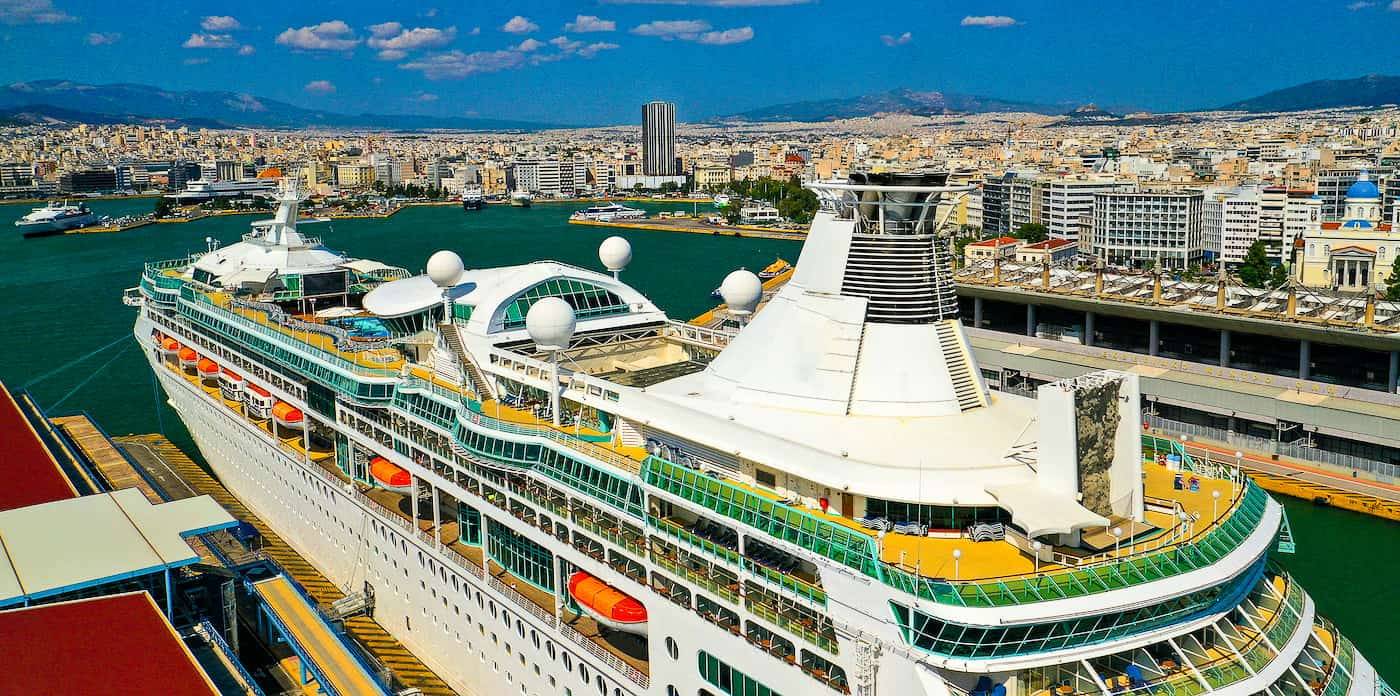
Getting from Piraeus cruise port to Athens is a 20-minute metro ride from Terminal A, but passengers at Terminals B and C need the free port shuttle to reach the station. The total journey to the historic center, including the Acropolis, takes 30–45 minutes by metro or taxi.
Port Overview
Piraeus, the port city of Athens, serves as the main gateway for cruise ships docking in Greece. Located about 12 km southwest of Athens, Piraeus is a bustling hub that provides easy access to the capital city and its many attractions.
The Port of Piraeus is one of the largest and busiest ports in the Mediterranean, handling millions of passengers each year. It consists of several terminals, with each one designated for different cruise lines. The port offers modern facilities and amenities to ensure a smooth and efficient embarkation and disembarkation process.
Upon arrival at the port, you'll find a plethora of transportation options to reach Athens. Taxis are readily available, and the journey to the city center takes around 30 minutes, depending on traffic. If you prefer public transportation, you can take the metro, which offers a direct connection from Piraeus to the city center. The metro ride takes approximately 20 minutes to the city center, though total travel time to the historic center may be longer. The Piraeus metro station is located within walking distance from Terminal A, but passengers at Terminals B and C may need the free port shuttle to reach the main gate.
For those who wish to explore Piraeus itself, the area around the port has its own charm. Stroll along the coastal promenade and take in the stunning views of the Aegean Sea. Visit Mikrolimano, a picturesque harbor filled with colorful fishing boats and lined with vibrant cafes and seafood restaurants. You can also explore the Archaeological Museum of Piraeus, which houses a rich collection of artifacts from ancient Greece. If you have time, consider how far is the Acropolis from the cruise to plan your day.
If you have some time before or after your cruise, consider visiting the nearby island of Aegina, which is just a short ferry ride away from Piraeus. Known for its beautiful beaches and historical sites, Aegina offers a serene escape from the bustling city.
Overall, the Port of Piraeus provides a convenient and well-connected gateway for cruisers looking to explore Athens and its surroundings. Whether you're heading to the city center for a day of sightseeing or venturing out to nearby islands, Piraeus offers a seamless starting point for your Greek adventure.
Transportation from Port to Athens
Getting from the Port of Piraeus to Athens city center is a breeze with various transportation options available. Here are some convenient ways to travel from the port to Athens:
- Taxi: Taxis are readily available at the port, and it's a convenient option for those who prefer a door-to-door service. The journey to Athens typically takes around 30 minutes, depending on traffic conditions. It's recommended to negotiate and agree on the fare with the taxi driver before getting in the cab.
- Metro: Taking the metro is an efficient and cost-effective way to reach Athens. The metro operates from early morning until midnight, and trains run approximately every 5-10 minutes. The ride toward the city center, where many of the top attractions are located, takes about 20 minutes, though total travel time to the historic center may be 30–45 minutes.
- Bus: Public buses also provide transportation from Piraeus to Athens. Bus stops can be found near the port, and several routes connect to different parts of the city. Buses usually operate from early morning until late evening, and the journey time varies depending on the specific route and traffic conditions.
- Hop-On Hop-Off Bus: If you prefer a more flexible and convenient way to explore Athens, consider the Hop-On Hop-Off bus. These open-top buses provide a comprehensive tour of the city, allowing you to get on and off at various stops of interest, including the Acropolis. The buses typically have an audio guide in multiple languages, giving you insights into the city's history and attractions.
- Private Transfers: If you prefer a more personalized and hassle-free option, private transfers from the port to Athens can be arranged in advance. This allows you to have your own dedicated driver who will pick you up from the port and take you directly to your desired destination in Athens.
It's worth noting that traffic can be heavy at times, especially during peak hours, so it's advisable to plan your journey accordingly and allow for some extra time. Additionally, it's always a good idea to check the schedules and timings of public transportation in advance to ensure a smooth and efficient commute.
By considering these transportation options, you can easily travel from the Port of Piraeus to Athens and begin your exploration of the enchanting Greek capital.
Top Attractions in Athens
Athens, the capital city of Greece, is a treasure trove of ancient history, cultural wonders, and vibrant neighborhoods.
Explore the following top attractions to make the most of your visit to this remarkable city:
- Acropolis and Parthenon: No visit to Athens is complete without a trip to the Acropolis, the iconic hilltop citadel that dates back to the 5th century BC. Marvel at the grandeur of the Parthenon, a masterpiece of ancient Greek architecture, and enjoy panoramic views of Athens from the top of the hill. For cruisers wondering how far is the Acropolis from the cruise, the total travel time from Piraeus is about 30–45 minutes by metro or taxi.
- Plaka Neighborhood: Located at the foot of the Acropolis, the Plaka neighborhood is a charming and picturesque area. Wander through its narrow streets lined with neoclassical houses, explore traditional shops selling souvenirs and handmade crafts, and stop by a cozy taverna to savor delicious Greek cuisine.
- National Archaeological Museum: Immerse yourself in Greek antiquity at the National Archaeological Museum, one of the world's greatest museums. Admire the vast collection of artifacts, including sculptures, pottery, and jewelry, that span thousands of years of Greek history.
- Syntagma Square and Changing of the Guards: Visit Syntagma Square, the central square of Athens, and witness the Changing of the Guards ceremony at the Tomb of the Unknown Soldier. Experience the precision and pomp of this unique tradition as the Evzones, the elite Greek presidential guards, perform their ceremonial duties.
- Monastiraki Flea Market: For a vibrant and bustling shopping experience, head to the Monastiraki flea market. Explore the maze-like streets filled with stalls selling a variety of items, from vintage clothing and handmade jewelry to traditional Greek products and local delicacies.
This is just a glimpse of the many captivating attractions Athens has to offer. Other notable sites include the Ancient Agora, the Temple of Olympian Zeus, the Panathenaic Stadium, and the Benaki Museum. Don't forget to take some time to soak in the city's vibrant atmosphere, indulge in delicious Greek cuisine, and enjoy the warm hospitality of the locals.
Acropolis and Parthenon
The Acropolis, perched atop a rocky hill overlooking Athens, is a UNESCO World Heritage site and one of the most significant archaeological sites in the world. Dominating the skyline of Athens, the Acropolis is home to the iconic Parthenon, a symbol of ancient Greek civilization. A visit to Athens is incomplete without exploring this ancient citadel and marveling at the awe-inspiring Parthenon.
The Acropolis, meaning "high city" in Greek, dates back to the 5th century BC and served as the religious and cultural center of Athens. As you ascend to the top of the hill, you'll be greeted by ancient ruins that tell the stories of the city's past glory. Explore the Propylaia, the monumental entrance to the Acropolis, and admire the elegant Erechtheion with its famous Caryatid Porch, featuring six female statues as pillars.
But perhaps the most remarkable sight is the Parthenon, an architectural masterpiece dedicated to the goddess Athena, the patron deity of Athens. Built in the 5th century BC, this Doric temple stands as a testament to the skill and ingenuity of ancient Greek architects. Despite its ruins, the Parthenon's grandeur and sophistication are still evident. Marvel at the perfectly proportioned columns, intricate metopes, and the remnants of the colossal statue of Athena that once adorned the interior.
The Parthenon served various purposes throughout history, from a temple to a church and even a mosque. Despite its turbulent past and damage caused by war and time, it remains a symbol of the Greek Golden Age and a testament to human achievement. Today, ongoing restoration and preservation efforts ensure its longevity and allow visitors to appreciate its magnificence.
As you stand before the Parthenon, with the panoramic views of Athens stretching out before you, you can't help but feel a sense of awe and reverence for the ancient world. Its timeless beauty and historical significance make the Acropolis a must-visit destination, allowing you to walk in the footsteps of the ancient Greeks and be transported back in time. For cruisers wondering how far is the Acropolis from the cruise, Piraeus is located about 12 km southwest of Athens.
Make sure to wear comfortable shoes, as the climb to the top of the Acropolis can be steep. It is also advisable to visit early in the morning or late in the afternoon to avoid crowds and the heat. With its fascinating history and breathtaking architecture, the Acropolis and Parthenon are sure to leave an indelible impression on your visit to Athens.
Plaka Neighborhood
Nestled at the foot of the Acropolis, the Plaka neighborhood is a charming and picturesque area in the heart of Athens. Renowned for its historic charm and traditional ambiance, it offers a delightful escape into the enchanting world of old Athens. With its narrow cobblestone streets, neoclassical houses, and vibrant atmosphere, Plaka is a must-visit destination for anyone exploring the Greek capital.
As you wander through the labyrinthine streets of Plaka, you'll find yourself immersed in a world of history and culture. The neighborhood has a rich heritage dating back to ancient times, and you can still catch glimpses of its Byzantine and Ottoman influences. Some of the houses in Plaka have been carefully preserved and restored, showcasing the architectural splendor of the past.
Plaka is not only visually appealing but also a shopping paradise. The streets are lined with shops selling a variety of souvenirs, handmade crafts, jewelry, clothing, and locally produced goods. Explore the numerous boutiques and souvenir stores to find unique gifts and mementos of your time in Athens.
One of the highlights of Plaka is its traditional Greek tavernas. These cozy restaurants serve up classic Greek dishes, allowing you to indulge in authentic flavors and culinary delights. Try the famous moussaka, souvlaki, or Greek salad, and complement your meal with a glass of local wine or a refreshing ouzo.
Plaka is also home to several notable landmarks and attractions. Visit the Church of Panagia Kapnikarea, a stunning Byzantine church dating back to the 11th century. Explore the Tower of the Winds, an ancient clocktower that has survived the test of time. And don't miss the Lysicrates Monument, a well-preserved structure that stands as a testament to ancient Greek architecture.
For those interested in art and culture, Plaka offers a variety of galleries and museums. Discover Greek contemporary art at the Frissiras Museum, or explore the Museum of Greek Folk Art to learn more about traditional Greek crafts and cultural heritage.
Whether you're strolling through the streets, shopping for souvenirs, savoring delicious Greek cuisine, or immersing yourself in the rich history, Plaka offers a captivating experience that showcases the best of Athens. Its blend of traditional charm, historical significance, and vibrant atmosphere make it a must-visit destination for any traveler seeking to explore the cultural treasures of this ancient city. For those wondering how far is the Acropolis from the cruise, Plaka sits directly at its foot, making it a convenient first stop.
Take your time to wander through the charming streets, soak in the ambiance, and let Plaka's timeless beauty transport you to a bygone era. With every step, you'll discover a new facet of Athens' captivating past and vibrant present.
National Archaeological Museum
The National Archaeological Museum, located in Athens, is a treasure trove of Greek antiquities and one of the world's greatest museums. It houses a vast collection of artifacts spanning thousands of years, from the prehistoric through the Archaic, Classical, Hellenistic, and Roman periods. Exhibits include intricately crafted sculptures, pottery, jewelry, and frescoes.
Highlights include the bronze statue of Poseidon (the Artemision Bronze), the Antikythera Ephebe, and the collection of sculptures—from Cycladic figurines to Archaic and Classical works. The museum’s ancient Greek pottery features black-figure and red-figure vessels depicting mythology, daily life, and historical events. The Mycenaean collection showcases vividly painted frescoes, gold jewelry, and artifacts from that civilization. Other notable exhibits include the Thera frescoes from the Bronze Age volcanic eruption, the Treasury of Atreus, and the Mask of Agamemnon.
The museum’s comprehensive collection and informative signage make it ideal for deepening your understanding of ancient Greek civilization. Plan several hours to fully appreciate it; audio guides and guided tours are available. Immerse yourself in Greece’s history and leave with a newfound appreciation for its cultural legacy.
For cruisers arriving at Piraeus, note that the port is located about 12 km southwest of Athens. From the historic center, the museum is a short walk or quick metro ride away—a perfect stop before or after visiting other attractions, such as the Acropolis (for details on how far is the Acropolis from the cruise).
Syntagma Square and Changing of the Guards
Syntagma Square, in central Athens, is the city’s main square and a focal point for visitors. Known for its historical significance and vibrant atmosphere, it offers a glimpse into Greece’s cultural heritage.
The main attraction in Syntagma Square is the Changing of the Guards ceremony at the Tomb of the Unknown Soldier in front of the Hellenic Parliament building. The Evzones, the elite Greek presidential guards, perform this duty in traditional uniforms: white kilts, red clogs, and pom-pom shoes. Every hour, on the hour, a formal changing takes place—a highly choreographed event with synchronized marching, intricate footwork, and stoic expressions. The highlight occurs every Sunday at 11:00 a.m., when a larger-scale ceremony includes a full military band and an increased number of guards.
The Evzones’ ceremonial uniform pays tribute to the fighters of the Greek War of Independence, with elements representing different regions of Greece. The most recognizable part is the red and black beret with a pom-pom, signifying bloodshed and sacrifices for the nation’s freedom.
Beyond the ceremony, Syntagma Square is surrounded by neoclassical buildings and green spaces. From the square, you can explore the shopping district of Ermou Street or stroll through the National Garden. For travelers curious about how far the Acropolis is from the cruise, the historic center—including the Acropolis—is roughly 30–45 minutes from Piraeus by metro. This section also connects to broader Greek destinations and itineraries in Greece, as Syntagma Square often serves as a starting point for exploring Athens and beyond.
Monastiraki Flea Market
The Monastiraki Flea Market is a vibrant market in the heart of Athens, offering a lively atmosphere and an eclectic mix of shops. As you wander through the streets, you'll find antique furniture, vintage clothing, traditional Greek products, and handmade crafts. The market is a paradise for bargain hunters and souvenir collectors, with items ranging from vintage posters and vinyl records to ornate furniture that holds a piece of Athens' history.
Local artisans showcase their talent with jewelry, ceramics, textiles, and leather goods, allowing you to take home a piece of Athens' artistic spirit. The streets are lined with cafes, tavernas, and bars where you can enjoy traditional Greek dishes such as moussaka, souvlaki, or mezedes, accompanied by ouzo or local wine.
The market truly comes alive on Sundays when it expands onto Adrianou Street, creating a bustling atmosphere as vendors set up stalls and locals and tourists flock to the area. While exploring, admire the iconic Tzistarakis Mosque, a remnant of Athens' Ottoman past with its distinctive domed architecture.
Whether you're searching for hidden gems, immersing yourself in local culture, or simply enjoying the lively atmosphere, a visit to the Monastiraki Flea Market is a must-do experience in Athens. Be prepared to haggle, bargain, and discover treasures as you explore this dynamic market.
Nearby Excursions from Athens
Athens not only offers attractions within the city but also serves as a base for exploring the surrounding areas. Take advantage of your time in Athens to embark on nearby excursions and discover more of Greece.
- Cape Sounion and the Temple of Poseidon: Just a short drive from Athens along the coast lies Cape Sounion, home to the Temple of Poseidon. Perched on a cliff overlooking the Aegean Sea, this ancient temple offers views and tranquility. Witness the dramatic sunset and marvel at the Doric columns.
- Delphi: Located approximately two and a half hours northwest of Athens, Delphi is a significant archaeological site once revered as the center of the world in ancient Greek mythology. Explore the Temple of Apollo, the Athenian Treasury, and the Delphi Theatre. Visit the Delphi Archaeological Museum to see artifacts from the site.
- Corinth Canal: A short distance from Athens, the Corinth Canal connects the Aegean Sea with the Ionian Sea. Admire views from the bridge or take a boat tour. Explore the ancient ruins of ancient Corinth, including the Temple of Apollo, the Ancient Agora, and the Roman Odeon.
- Aegina: Take a ferry ride from Piraeus to Aegina, a picturesque island known for beaches, villages, and archaeological sites. Explore the Temple of Aphaia and stroll along the waterfront. Sample the island's famous pistachios.
These excursions offer a chance to delve deeper into Greece's rich history and explore stunning landscapes. For travelers considering broader plans, Greek destinations and itineraries in Greece often include these sites. Likewise, those wondering how far is the Acropolis from the cruise can plan accordingly, as the historic center is a 30–45 minute journey from Piraeus. Plan your day trips wisely to make the most of your Athenian adventure.
Cape Sounion and the Temple of Poseidon
Situated along the scenic coast of Attica, Cape Sounion is a breathtaking destination located a short drive from Athens. The highlight of this picturesque cape is the majestic Temple of Poseidon, a testament to ancient Greek architecture and mythology. Visiting Cape Sounion and the Temple of Poseidon is a popular excursion from Athens, offering visitors the chance to experience the natural beauty of Greece and immerse themselves in its rich history.
Perched on a rocky promontory overlooking the Aegean Sea, the Temple of Poseidon stands as a captivating example of ancient Greek architecture. Built in the 5th century BC, the temple was dedicated to Poseidon, the god of the sea. As you approach the site, you'll be greeted by the towering marble columns, which evoke a sense of grandeur and hold the stories of ancient myths.
One of the highlights of Cape Sounion is the breathtaking views it offers. From the temple's vantage point, you can gaze out over the sparkling blue waters of the Aegean Sea and admire the panoramic expanse of the coastline. The area is especially picturesque during sunset, when the sun casts a golden hue over the sea and illuminates the temple, creating a magical ambiance.
Exploring the Temple of Poseidon allows you to delve into the rich history and mythology of ancient Greece. As you stroll through the ruins, you can imagine the temple in its former glory, a place of worship and a beacon for sailors returning home. Take a moment to marvel at the architectural details, including the intricately carved friezes, while contemplating the cultural significance of this sacred site.
In addition to its historical and archaeological importance, Cape Sounion offers a chance to enjoy the natural beauty of the Greek coast. Discover hidden coves and secluded beaches along the cape, where you can take a refreshing swim or simply unwind and bask in the tranquility of the surroundings.
Visiting Cape Sounion and the Temple of Poseidon is a memorable experience that transports you back to ancient Greece and allows you to appreciate the awe-inspiring beauty of the Greek coastline. Take your time to explore the temple, savor the coastal breezes, and soak in the magnificent views. Whether you're a history buff, a lover of mythology, or simply seeking a serene getaway, Cape Sounion offers a captivating excursion from Athens.
It's recommended to plan your visit during the late afternoon, allowing you to witness the stunning sunset that paints the landscape with vibrant colors. Capture the magical moment as the sun dips below the horizon, casting its final rays onto the temple and creating a memorable scene that will stay with you long after your visit to Cape Sounion.
Delphi
Tucked away in the foothills of Mount Parnassus, Delphi is an ancient archaeological site that holds great significance in Greek history and culture. Today, it remains a must-visit destination for history enthusiasts and those seeking to unravel the mysteries of the past.
Upon arriving in Delphi, you'll be greeted by a site steeped in myth and legend. Explore the ruins of the Temple of Apollo, the god of prophecy, and envision the grandeur of the ancient sanctuary that once attracted pilgrims from all across Greece. Marvel at the well-preserved theatre, which once hosted dramatic performances and musical contests during ancient times.
Delphi is also renowned for its impressive archaeological museum. Here, you can discover a vast collection of artifacts excavated from the site, providing a deeper understanding of ancient Greek civilization. Admire the exquisite statues, intricately carved friezes, and valuable offerings made by worshippers to the gods.
One of the most iconic features of Delphi is the Oracle of Delphi, who was believed to be the conduit through which the god Apollo communicated with mortals. People from all walks of life would seek the guidance of the Oracle, asking for advice on various matters. Gaining insight into the rituals and significance of the Oracle offers a fascinating glimpse into the spiritual beliefs of ancient Greece.
Delphi is not just a site of historical importance; it also boasts stunning natural scenery. Surrounded by breathtaking mountainous landscapes, the views from Delphi are nothing short of spectacular. As you explore the site, take a moment to soak in the serene beauty of the surrounding valleys and olive groves.
While visiting Delphi, make sure to explore the nearby town, which offers a range of charming shops, cafes, and tavernas. Sample local delicacies and savor traditional Greek flavors as you unwind and reflect on your visit to this ancient site.
Whether you're fascinated by ancient history, seeking spiritual enlightenment, or simply looking to immerse yourself in the beauty of the Greek countryside, Delphi is a destination that promises to leave an indelible impression. For those planning broader travel, consider exploring other Greek destinations and itineraries in Greece to complement your visit. Step back in time and unlock the secrets of this mystical site as you walk in the footsteps of the ancient Greeks who sought guidance from the Oracle and found meaning in the spiritual heart of Delphi.
Corinth Canal
The Corinth Canal, an engineering marvel, is a must-see attraction located a short distance from Athens. Cutting through the narrow Isthmus of Corinth, this canal connects the Aegean Sea with the Ionian Sea, making it a vital maritime passage. Visiting the Corinth Canal offers a glimpse into the ingenuity of ancient and modern engineering, as well as the chance to explore the surrounding area.
As you approach the canal, you'll witness the impressive feat of human engineering. The canal stretches over four miles and is flanked by steep cliffs. Stand on the bridge overlooking the canal to fully appreciate its grandeur and the strategic importance it has held throughout history.
The construction of the canal was a long-standing dream that became a reality in the late 19th century. Completed in 1893, the canal revolutionized navigation by providing a direct route between the Aegean and Ionian Seas. Prior to its construction, ships had to navigate a treacherous 700-kilometer journey around the Peloponnese peninsula.
While the Corinth Canal itself is the highlight, the surrounding area offers additional attractions. Just a short drive away is the ancient city of Corinth, a significant archaeological site. Wander through the ruins of the Ancient Agora, visit the Temple of Apollo, and explore the Roman Odeon. The Archaeological Museum of Corinth is also worth a visit, showcasing artifacts that provide insights into the history and daily life of the ancient city.
Those seeking a more adventurous experience can take part in activities such as bungee jumping, offering a different perspective of the canal. Alternatively, take a leisurely boat tour to sail through the narrow canal and witness its impressive depths up close.
Whether you're a history buff, an engineering enthusiast, or simply appreciate stunning landscapes, a visit to the Corinth Canal is well worth it. For cruisers, it pairs naturally with popular Greek destinations and itineraries in Greece that often include this landmark. Witness the melding of ancient and modern engineering as you stand in awe of this incredible feat of human ingenuity. Explore the nearby city of Corinth and immerse yourself in the rich historical and cultural heritage of the region.
Athens Port Shopping Guide
1. Ermou Street: Located in the city center and easily accessible from the port, Ermou Street is Athens' premier shopping destination. This pedestrian street is lined with both international and local brands, from high-end boutiques to popular high street brands.
2. Plaka and Monastiraki Flea Market: The neighborhoods of Plaka and Monastiraki offer winding alleys with shops selling handmade jewelry, local crafts, and traditional Greek products. At the Monastiraki Flea Market, haggle for vintage items, antique furniture, and quirky souvenirs.
3. Athens Central Market (Varvakios Agora): This lively market features colorful displays of fresh produce, aromatic spices, and local products. Browse meat, fish, and vegetable stalls, and pick up Greek olive oil or dried herbs.
4. Souvenirs and Handicrafts: Look for traditional Greek handicrafts such as pottery, ceramics, leather goods, and woven textiles. Seek stores specializing in handmade products to ensure authenticity.
5. Local Food Products: Specialty food stores offer olive oil, honey, spices, wine, and traditional sweets like baklava. For a deeper dive into regional flavors, consider visiting hidden olive oil tasting farms in kalamata's Peloponnese.
6. Designer Boutiques: In the fashionable Kolonaki neighborhood, upscale fashion houses and designer stores provide an exclusive shopping experience.
Check store and market opening hours, as they may vary. Be prepared to haggle at flea markets and smaller shops, a customary practice in Greece. Non-EU visitors can use the "Tax-Free Shopping" scheme: keep receipts and ask for a tax refund form to claim back VAT at the airport before departing.
Whether you seek fashion, traditional crafts, or local delicacies, Athens offers diverse shopping options. Explore the neighborhoods and find souvenirs to cherish from your visit to the Athens port.
Local Cuisine and Restaurants
Greece is renowned for its delicious and flavorful cuisine, and Athens offers a plethora of dining options that showcase the best of Greek gastronomy. From traditional tavernas serving classic dishes to trendy restaurants reimagining Greek flavors, the local cuisine in Athens is a highlight of any visit to the city.
When it comes to Greek cuisine, there are a few must-try dishes. Start with the classic moussaka, a layered dish of minced meat, eggplant, and béchamel sauce. Souvlaki, skewered and grilled meat served with pita bread and tzatziki sauce, is another Greek favorite that can be enjoyed as a quick street food snack or a full meal.
Immerse yourself in the world of mezedes, small shared plates that allow you to sample a variety of flavors. Taste the creamy tzatziki, made of strained yogurt, cucumber, garlic, and olive oil. Savor the savory spanakopita, a filo pastry filled with spinach, cheese, and herbs. And don't forget the Greek salad, a refreshing combination of ripe tomatoes, crisp cucumbers, red onions, feta cheese, olives, and olive oil.
As you explore Athens, you'll find dining options to suit different budgets. For an authentic experience, head to traditional tavernas scattered throughout the city. These family-run establishments serve hearty, homemade Greek meals such as stifado, a slow-cooked beef or rabbit stew, or tender roasted lamb.
For a contemporary twist on Greek cuisine, venture to modern restaurants in neighborhoods like Psyrri or Gazi. These blend traditional flavors with innovative techniques. Pair your meal with a selection of Greek wines, showcasing the diversity of local vineyards.
A visit to Athens wouldn't be complete without tasting street food. Grab a souvlaki or gyros wrap from a local stand, choosing your favorite fillings. Try loukoumades, bite-sized honey puffs sprinkled with cinnamon and sometimes served with ice cream, for a sweet treat.
When dining out, soak up the lively atmosphere. Many restaurants offer outdoor seating, allowing you to enjoy the vibrant street scenes. No Greek meal is complete without a toast of "Yamas!" (Cheers!) with a glass of ouzo or raki.
From traditional tavernas to modern eateries, Athens has a dining experience for every palate. Indulge in the rich flavors, fresh ingredients, and warm Greek hospitality. If you're planning your trip, check our guide on "how far is the Acropolis from the cruise" to time your meals around sightseeing. For broader trip planning, explore our "Greek destinations and itineraries in Greece" for dining recommendations beyond Athens.
Conclusion
Exploring Athens and its surrounding areas is an enriching experience that combines ancient history, cultural treasures, and modern charm.
From the iconic Acropolis to the vibrant neighborhoods of Plaka and Monastiraki, Athens offers an abundance of attractions. Discover the wonders of the Acropolis and marvel at the timeless beauty of the Parthenon. Immerse yourself in the charming streets of Plaka, explore the National Archaeological Museum, and witness the Changing of the Guards at Syntagma Square.
Athens also serves as a gateway to nearby excursions, including the Temple of Poseidon at Cape Sounion, Delphi, the Corinth Canal, and ferries to the island of Aegina. Don't forget to indulge in local cuisine—from traditional tavernas serving classic Greek dishes to contemporary restaurants reimagining Greek flavors, including souvlaki, tzatziki, and mezedes.
As your journey ends, you'll leave with a deeper understanding of Greece's rich history and a desire to return. Whether you're exploring ancient ruins or vibrant neighborhoods, Athens offers something for every traveler. For those planning onward travel, it's worth checking how far the Acropolis is from the cruise and how far Athens airport is to the cruise port to plan transfers efficiently.
