

Part of our England guide.
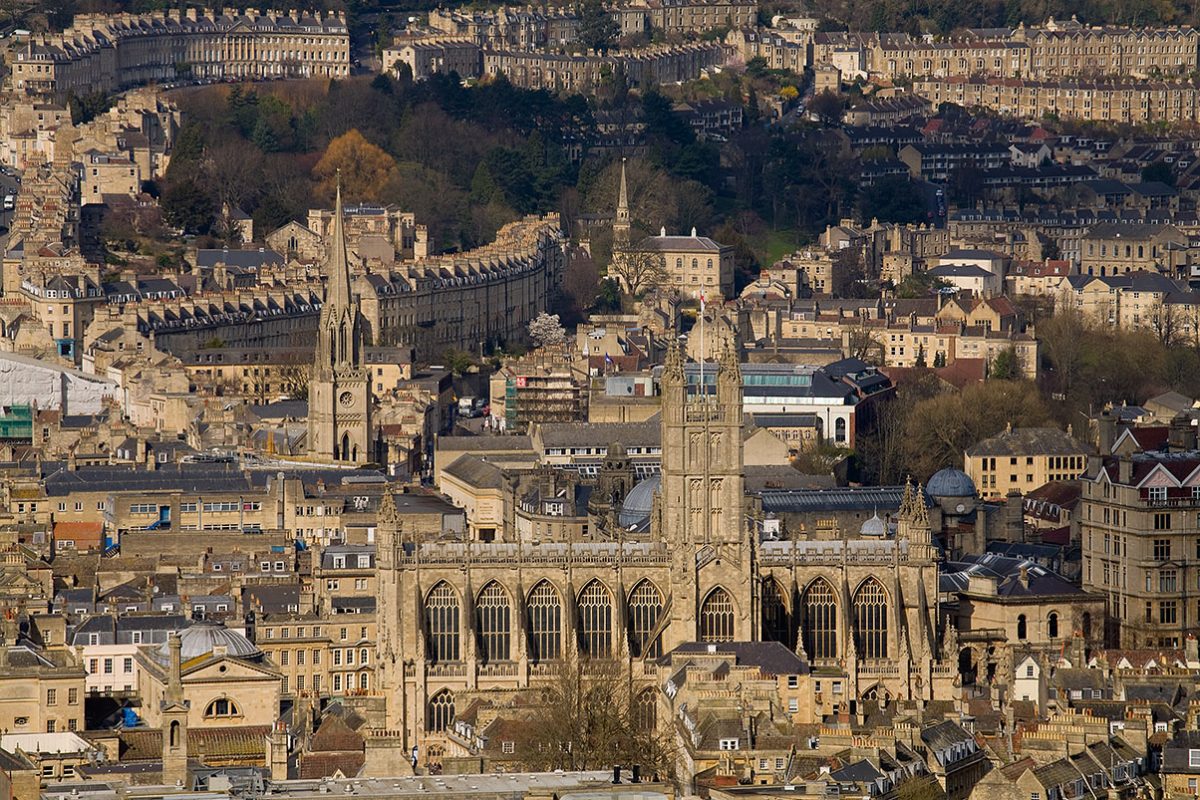
Bath offers Roman-built baths, Georgian architecture, and a UNESCO World Heritage designation. The city draws visitors for its hot springs, Roman history, and cultural landmarks, with the train from London taking approximately 80 minutes for a day trip.
Related travel guides: Lost Cave Houses Of Matera: Italy's Hidden Dwellings.
10 Best Things To Do In Bath, UK
The city of Bath is located in Somerset, England, and it’s known for its stunning architecture and history. The Romans discovered hot springs and built their baths there in 60 AD, giving the city its name. Bath is home to some of the most interesting things to do in England. The city draws people from around the country and world to see architecture and culture. The train from London to Bath takes approximately 80 minutes, so it’s great for a day trip. Among the top things to do in England, visitors can explore the Roman Baths, the Royal Crescent, Bath Abbey, and the Pulteney Bridge. The Jane Austen Centre offers insight into the author’s time in the city, while the Thermae Bath Spa lets you bathe in the same natural hot springs the Romans used. The Fashion Museum and the Victoria Art Gallery provide indoor options, and the Holburne Museum sits at the end of Great Pulteney Street. For outdoor activities, the Bath Skyline walk offers views over the city, and Prior Park Landscape Garden features a Palladian bridge. The city’s compact center makes walking the primary way to see these highlights and city breaks in England, with most attractions within a 15-minute stroll of each other.
How To Travel From London To Bath
Bath is located on the western side of London, UK. This city in Somerset UK County gets its name for the famous roman-built baths. It is a UNESCO heritage site that you should look forward to visiting. There are many ways of getting to Bath from London. This article discusses better means through which you can travel from London to Bath to save you the hassle of looking for directions. If you want to travel to Bath from London, then here is your ultimate guide. The fastest option is the train from London Paddington to Bath Spa station, with Great Western Railway operating direct services that take approximately 80 minutes. Off-peak return fares typically cost between £30 and £60 depending on booking time and flexibility. The National Express coach from London Victoria Coach Station to Bath takes about 3 hours and 15 minutes, with fares starting around £10 to £20 one-way if booked in advance. Driving from London via the M4 motorway takes roughly 2 hours, but parking in Bath is limited and expensive, with city center car parks charging around £15 to £25 per day. For those with more time, the bus offers the cheapest option, while the train balances speed and cost for a day trip. Spring and early autumn are the best times to visit for milder weather and smaller crowds, while summer is the busiest period. The city’s Roman Baths require pre-booked tickets, with adult entry at £25.50 and children aged 6 to 16 at £16.50 as of 2024. The Bath Abbey entry is free but suggests a £5 donation, while the Thermae Bath Spa costs £38 for a two-hour session. For a know travel guide, check opening hours online before visiting, as seasonal variations apply to many attractions.
More about Bath
Beyond the main attractions, Bath offers hidden gems in England such as the covered Pulteney Bridge shops, the leafy Sydney Gardens, and the small but fascinating Museum of Bath Architecture. The city’s vintage shops cluster around Walcot Street and the London Road area, offering clothing, furniture, and collectibles. For a free activity, walk the two-mile Bath Skyline trail or explore the city’s many parks and gardens. The Roman Baths themselves include a museum with artifacts from the Roman occupation, including coins, jewelry, and the famous curse tablets. The thermal waters emerge at 46°C and contain 43 different minerals, though the original Roman bathing complex is now viewed from walkways rather than used for swimming. The modern Thermae Bath Spa uses the same source, with a rooftop pool offering views of the city skyline. Bath’s Georgian architecture, particularly the Royal Crescent and the Circus, represents some of the finest examples of 18th-century town planning in Europe. The city also hosts the annual Bath Festival in May and the Jane Austen Festival in September, both drawing additional visitors. For day trips from Bath, nearby destinations include Stonehenge, Bristol, and the Cotswolds, all accessible within an hour by car or public transport.
