

Secrets Of The Lost Mayan Hieroglyphs In Copán Ruins
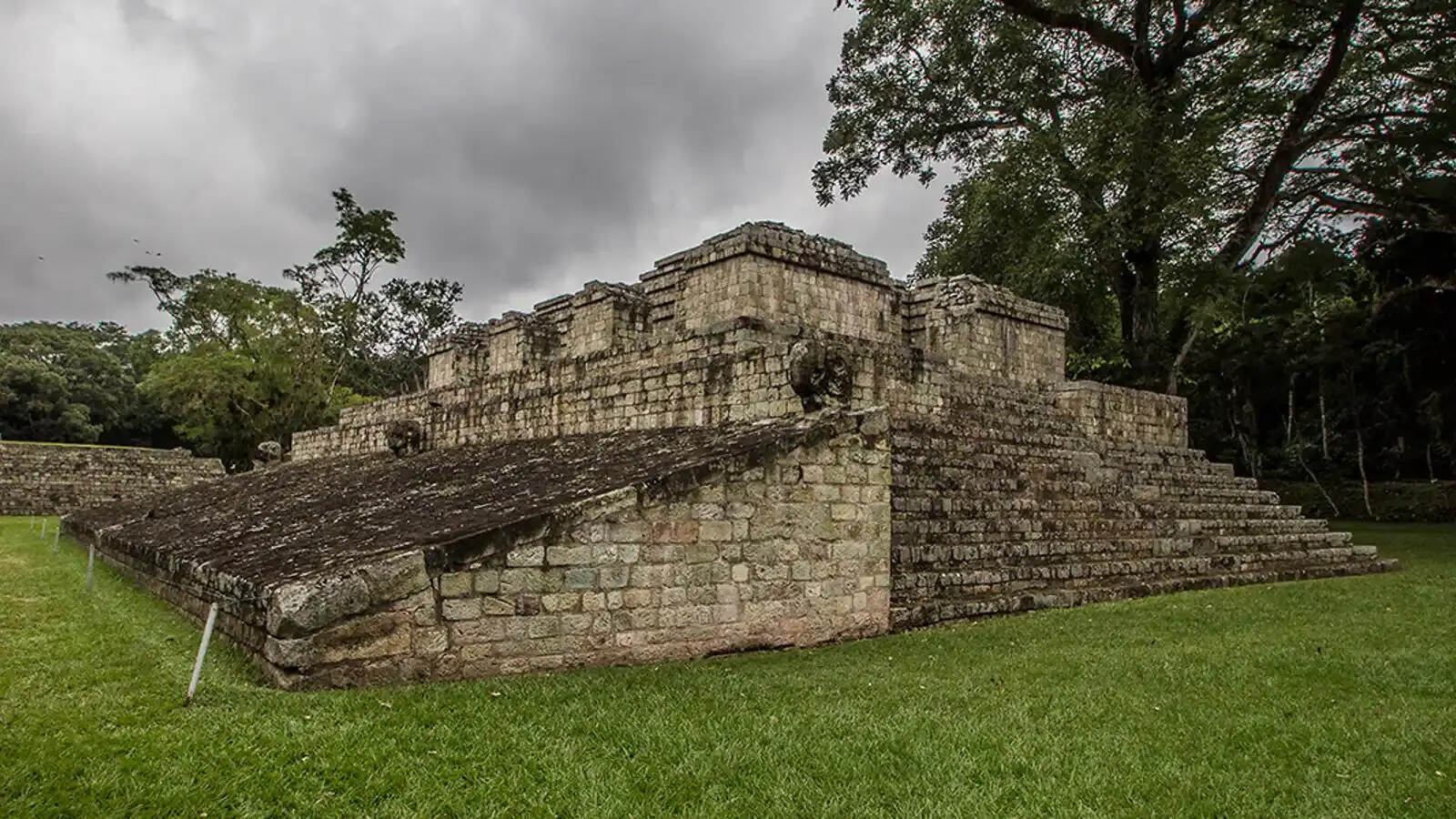
Have you ever wondered about the secrets hidden in ancient ruins? The Copán Ruins in Honduras hold some of the most fascinating Mayan hieroglyphs ever discovered. These intricate carvings tell stories of kings, battles, and rituals from a civilization that thrived over a thousand years ago. Walking through the site, you can almost hear whispers of the past. Imagine deciphering symbols that reveal the daily life, beliefs, and achievements of the Mayans. Whether you're a history buff or just curious, the Copán Ruins offer a glimpse into a world long gone but never forgotten. Ready to uncover the mysteries of the Mayan world? Let's dive in!
The Mystical World of Mayan Hieroglyphs
The Copán Ruins in Honduras are a treasure trove of ancient Mayan history. These ruins are famous for their intricate hieroglyphs, which tell stories of kings, gods, and daily life. Let’s dive into some of the most fascinating spots within these ruins where you can find these ancient writings.
The Hieroglyphic Stairway
The Hieroglyphic Stairway is one of the most famous features of the Copán Ruins. This grand staircase is covered with over 2,000 glyphs, making it the longest known Mayan text.
- Hieroglyphic Stairway: This monumental staircase tells the history of the Copán dynasty. Each step is inscribed with detailed glyphs that narrate the reigns of the city’s rulers. Climbing these steps feels like walking through the pages of an ancient book.
The Great Plaza
The Great Plaza is the heart of Copán. It’s a vast open space surrounded by stelae and altars, each adorned with hieroglyphs that provide insights into the lives of the Mayan people.
Stelae A: This towering stone monument stands in the Great Plaza, covered in glyphs that celebrate the achievements of King Uaxaclajuun Ub’aah K’awiil. The intricate carvings depict his power and divine right to rule.
Altar Q: Located near Stelae A, this altar is a square stone block with glyphs on all four sides. It depicts the lineage of Copán’s rulers, showing each king receiving the scepter of power from his predecessor.
The Ball Court
The Ball Court was not just a place for games; it was a sacred space where rituals and ceremonies took place. The hieroglyphs here reveal the significance of the ball game in Mayan culture.
- Ball Court Markers: These stone markers are embedded in the walls of the Ball Court. They are inscribed with glyphs that describe the rules of the game and the importance of the matches, which were often linked to religious ceremonies.
The Acropolis
The Acropolis is a complex of temples and palaces that served as the political and religious center of Copán. The hieroglyphs here provide a glimpse into the spiritual life of the Mayans.
Temple 22: This temple is adorned with glyphs that tell the story of the Mayan creation myth. The carvings depict gods and mythical creatures, offering a window into the Mayan belief system.
Temple 16: Located at the heart of the Acropolis, this temple features glyphs that commemorate the reign of King Yax Pasaj Chan Yopaat. The inscriptions highlight his achievements and his role in maintaining the city’s prosperity.
The Rosalila Temple
The Rosalila Temple is a hidden gem within the Copán Ruins. Buried under later structures, it was preserved in its original state, complete with vibrant colors and detailed glyphs.
- Rosalila Temple: This temple is a masterpiece of Mayan art and architecture. The glyphs here are exceptionally well-preserved, providing a rare glimpse into the ceremonial practices and religious beliefs of the ancient Mayans.
The East Court
The East Court is another significant area within the Copán Ruins. It’s filled with altars and stelae that offer more stories through their glyphs.
Stelae H: This stela stands in the East Court, depicting King 18 Rabbit. The glyphs celebrate his military victories and his contributions to the city’s infrastructure, showcasing his importance in Copán’s history.
Altar L: Found near Stelae H, this altar is covered with glyphs that describe the rituals performed by the priests. These inscriptions provide valuable information about the religious practices and ceremonies of the Mayans.
The West Court
The West Court is another area rich in hieroglyphic inscriptions. It’s a quieter part of the ruins, offering a more intimate look at Mayan life.
Stelae P: This stela is dedicated to King Smoke Imix. The glyphs detail his reign and his efforts to expand Copán’s influence. The carvings are intricate, showcasing the artistry of Mayan scribes.
Altar M: Located in the West Court, this altar features glyphs that tell the story of a significant ritual involving the city’s elite. The inscriptions highlight the social hierarchy and the role of rituals in maintaining order.
The Copán Ruins are a fascinating destination for anyone interested in ancient history. The hieroglyphs found throughout the site offer a unique glimpse into the lives, beliefs, and achievements of the Mayan civilization.
Discovering the Mysteries of Copán
Exploring the Copán Ruins offers a unique glimpse into the Mayan civilization. The intricate hieroglyphs reveal stories of kings, gods, and daily life, showcasing the advanced knowledge and artistry of the Mayans. Walking through these ancient structures, you can almost feel the presence of a once-thriving society.
Visiting Copán isn't just about seeing old stones. It's about connecting with history, understanding a culture that has influenced modern society, and appreciating the ingenuity of the Mayans. Whether you're a history buff, an archaeology enthusiast, or just curious, Copán has something to offer.
Plan your visit to the Copán Ruins and uncover the secrets of the Mayan hieroglyphs. It's an experience that will leave you with a deeper appreciation for the rich tapestry of human history.
