

(opening)
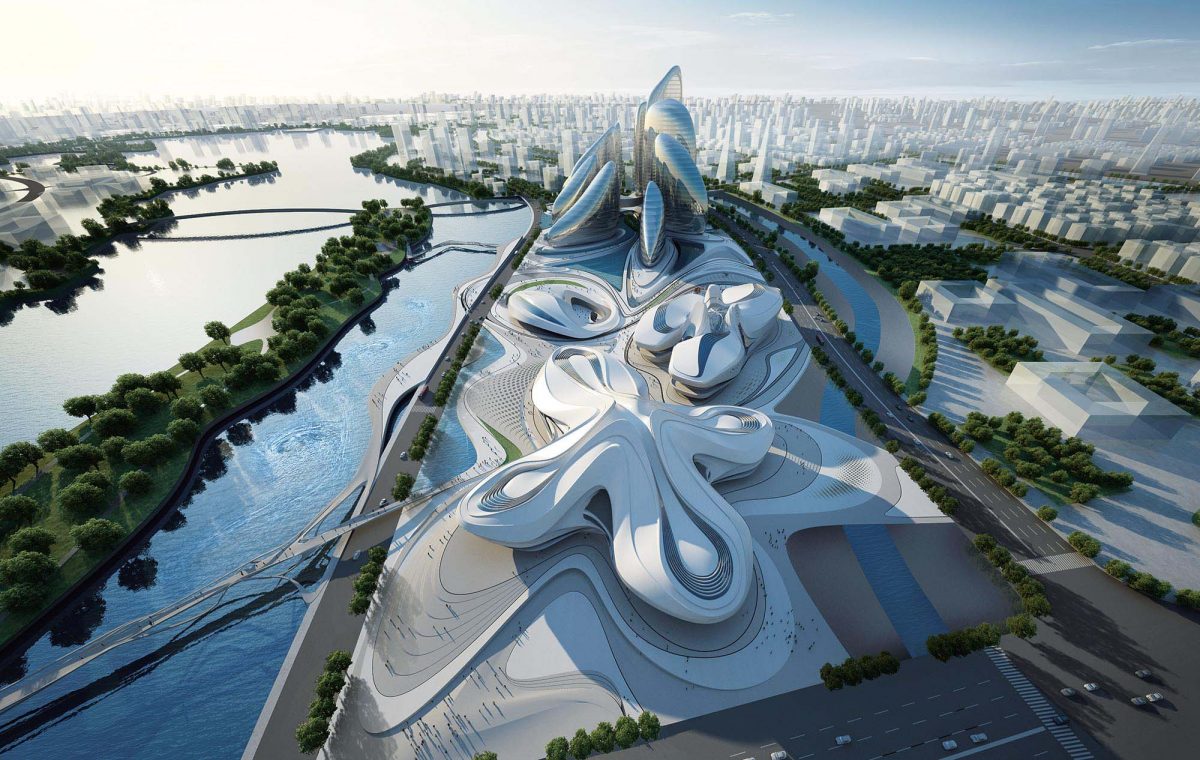
When you think of China, the cities that come to mind immediately would probably be Shanghai or Beijing. Indeed, relatively little is known about Changsha in comparison.

This city is actually one of China’s best-hidden secrets. Although not traditionally perceived as a must-go tourist destination, Changsha offers a whole lot of fun for the intrepid traveler. Changsha is slowly coming out of her sister cities’ shadows in recent years, enjoying an increasing number of visitors. So, if you’re planning a trip to China, why not take the path less trodden and explore this lesser-known gem?
[caption id="attachment_97954" align="alignnone" width="1200"]

©Photo by Adobe Stock[/caption]
Weather in Changsha
Changsha experiences four distinctive seasons. Summer arrives in May with scorching heat and high humidity; July and August are particularly sweltering. Winter is frigid. It is wise to avoid these seasons when visiting.
The best time to visit is spring and autumn, when the city enjoys refreshing temperatures. Vibrant spring blossoms or fiery autumn colors add a touch of romance to your trip. For a broader perspective on seasonal travel, you might consult a month-by-month guide to the weather in Italy.
Getting To Changsha From Shanghai
By Train
Traveling to Changsha from Shanghai by train? Over 30 pairs of trains run between Shanghai and Changsha daily. The High-Speed G trains take about 4.5 hours, with the cheapest Second Class seat costing approximately USD$70. For a more affordable option, normal trains offer the cheapest seat for about USD$22, but the journey time is longer at about 10.5 hours.
By Plane
Alternatively, you can also fly from Shanghai to Changsha. For those traveling on a tight schedule, this mode of transportation would probably be ideal. The journey will only take 2 hours if you travel by plane!
Getting To Changsha From Beijing
By Train
More than 30 trains run between Beijing and Changsha. You can choose either the high-speed bullet train or the normal train. The bullet train cuts the journey to 5.5 hours. Tickets cost approximately USD$95 for the cheapest second class seat and rise to USD$301 for a business class seat. Tickets for the normal train are more affordable; for USD$28, you can get the cheapest seat. However, the journey time averages about 14 hours. Compare your schedule and budget to make the best decision for your trip.
By Plane
If you’re averse to traveling by train, getting to Changsha by plane is also an option. The journey takes about 2.5 hours.
Okay, enough about how to get to Changsha! Let’s cut right to the interesting part: What is there to do in Changsha? We compile ten of the absolute best things you should do when you’re in Changsha. Read on to find out more!
1.
Mawangdui Han Tombs is a fascinating landmark in Changsha. These stone statues at Guizai Mountain date back to about 3000 BC. This is one of the largest collections of statues ever found in one site collectively in the whole of China. These stone statues are an interesting archaeological find. Located in the Kaifu District of Changsha, Kaifu Temple is a huge Buddhist temple.
Yuelu Mountain – A Site Steeped With Cultural Value
[caption id="attachment_78023" align="aligncenter" width="1200"]

Photo on Wikimedia Commons[/caption]
Yuelu Mountain is arguably the most popular park in Changsha. It is also home to the famous Yue Lu Academy. With a rich history dating back to a thousand years ago, Yue Lu Academy is one of the four ancient academies in China. In the olden days, eager students filled this academy to study for the imperial exams. Today, it is now a prized historical monument that has been changed to a museum. Visitors can learn more about the interesting history of education in China here. Apart from the Yue Lu Academy, Yuelu Mountain is also dotted with several other historical monuments such as the Lushan Temple and Aiwan Pavillion.
Besides its rich historical value, Yuelu Mountain will also excite nature lovers and hiking enthusiasts. Here, you are embraced by the lush green foliage as well as pristine streams.
2.
Mawangdui Han Tombs – A Fascinating Vestige Of The Days Gone By
[caption id="attachment_78030" align="aligncenter" width="1024"]

Photo by Gary Lee Todd on Creative Commons[/caption]
There are three tombs on this site. Researchers believe these tombs to be the resting place of the Prime Minister of the Changsha Chu state, his wife and his son.
The main reason why Mawangdui Han Tombs is so fascinating is actually a little more morbid. If you have a weak stomach, look away now! Still here? Well, then, here goes. The core reason why this site has rivetted many is due to the amazingly well-preserved corpse of the noble lady. When the tomb was first discovered, her body was completely intact and even moist and supple according to some reports.
More shockingly, scientists even found that her organs were completely intact during the autopsy. Given that these tombs date back to over two thousand years ago, it is seriously bewildering how her corpse did not fall prey to the passage of time. Hence, this would be a secret that she has taken to her literal grave.
3.
Hunan Provincial Museum – Home To Intriguing Artifacts
[caption id="attachment_78033" align="aligncenter" width="1024"]

Still intrigued by the amazing Mawangdui Han Tombs? Hunan Provincial Museum is where you should head to fill your thirst for knowledge. Besides the well-preserved corpse, over three thousand historical relics were also excavated from the tombs. These relics are on display at the Hunan Provincial Museum. While the entire exhibition is fascinating, here are some displays that you should not miss when you visit the museum.
Silk Books
These books document the development of ancient philosophy, medicine and science, and technology. Hence, these are extremely insightful artifacts that give us a glimpse of the state of human knowledge back in the days.
Map From Tomb Number 2
With the ubiquity of GPS and Google Maps nowadays, this artifact might not excite you very much. However, bring your mind back to two thousand years ago to a time on Earth where there were no satellites, no internet, and no location tracking devices. Given the technological constraints of that time, it's amazing that the locations drawn on this map are almost identical to modern maps. In fact, this olden map has been praised for its advanced drawing technique and is regarded by many as an “incredible discovery.”
4.
Changsha Window Of The World – A Theme Park With A Twist
[caption id="attachment_97973" align="alignnone" width="1200"]

©Official Photo by LIMIS[/caption]
We all love theme parks. However, at Changsha Window of the World, you won’t find Disney characters or Transformers rides. Instead, this theme park takes inspiration from famous landmarks all over the world. You can find replicas of world-famous sites, like a duplication of the Louvre Place of France or the grand pyramids of Egypt.
Beyond replicating global sites, the park integrates various cultures into art performances, including international singing and dance. Changsha Window of the World mixes entertainment with cultural education, resulting in an experience that’s both entertaining and meaningful.
The cultural exchange extends to the food. The park offers cuisine from all over the world, including western food, authentic Hunan food, and coffee. It’s a gastronomic delight for foodies.
5.
Xiangjiang River – Changsha’s Natural Beauty
[caption id="attachment_78043" align="aligncenter" width="1200"]

Photo by Wikimedia Commons[/caption]
Snaking for about 5 kilometres, Xiangjiang River is arguably one of Changsha’s most well-known landmarks. Notably, this river was featured in Chairman Mao Ze Dong’s poem, Changsha. Having inspired a literary work, Xiangjiang River’s beauty is apparent. Visitors can enjoy a leisurely stroll along the riverside and take in the soothing scenic views. The pedestrian footpaths along the river are also dotted with various quirky sculptures, that are sure to add a touch of fun to your walk. There is also a sand beach located along the river – kids will definitely have the time of their lives here! For travelers planning a trip, a month-by-month guide to the weather in Italy offers similar seasonal insights for other destinations.
6.
Reconnect With Mother Nature At Orange Isle
[caption id="attachment_97966" align="alignnone" width="1200"]

©Photo by Pxhere[/caption]
Orange Isle, or Orange Island, is an island in the middle of the Xiangjiang River. It is named for producing ripe and juicy oranges. Thousands of orange trees dot the island, with full bounty in Autumn, making that the best time to visit to see vibrant orange colors.
One of its quirkiest sites is the huge rock sculpture of the young Chairman Mao, reminiscent of the iconic rock sculptures of Mount Rushmore in the United States.
7.
Tuck Into Changsha Delicacies
[caption id="attachment_78051" align="aligncenter" width="1200"]

Photo by Ian Deng on Unsplash[/caption]
Some say the only way to truly understand another culture is through its food. When in Changsha, you’ve got to try out some of their local delicacies.
Like with several other Chinese cities, spiciness plays a key role in the palate of the Changsha people. Chairman Mao, who is Hunanese himself, once joked that the more chilies one eats, the more revolutionary one becomes. Ready for a little tasty inferno in your mouth? Here are some revolutionary dishes that you can’t miss when you’re in Changsha:
Spicy Chicken Cubes
This dish sounds and looks simple, but is anything but in terms of taste. Well-seasoned with pepper, capsicum, and vinegar, your tongue will thank you for this gourmet treat the moment you take the first bite.
Kou Wei Xia (Stir-Fried Spicy Shrimps)
This is one of the most popular night market foods in Changsha. Tender shrimps are infused with a fiery spiciness that’s sure to give you a satisfying kick.
8.
Marvel At The Stone Statues At Guizai Mountain
[caption id="attachment_78057" align="aligncenter" width="1200"]

Photo by China.org.cn[/caption]
These stone statues depict people from all walks of life: soldiers, civil officials, and even pregnant women! Historians believe that these ancient sculptures embodied ritualistic, commemorative and sacrificial meanings.
Do note that Guizai Mountain used to be a large ancient worship site, so be mindful to be respectful when visiting.
9.
Tianxin Pavilion – A Reminder Of Ancient Changsha
[caption id="attachment_78059" align="aligncenter" width="1200"] Photo by Wikimedia Commons[/caption]
Located in the south of Changsha, Tianxin Pavilion is the old city tower of Changsha. Today, it is the only remaining symbol of the ancient city. Longfu Mountain, where Tianxin Pavilion is perched atop, is regarded as a treasured land. In the past, people used to visit to study astrology, worship God as well as pen various touching works. Since Longfu Mountain is one of Changsha’s highest points, you are treated to a panoramic view of the city below. On certain days, you may even spot traditional sword performances here.
10.
Kaifu Temple - An Oasis Of Calm
[caption id="attachment_78062" align="aligncenter" width="1200"]

Photo by Wikimedia Common[/caption]
Located in the Kaifu District of Changsha, Kaifu Temple is a huge Buddhist temple with roots tracing back to 927AD. Here, you can admire the intricate details of the temple’s architecture. It’s tranquil environment also makes for a perfect quiet getaway.
Final Thoughts on Changsha
Changsha is a dynamic city, simply teeming with interesting sights. Did any of the recommended places catch your eye? Let us know in the comments!
