

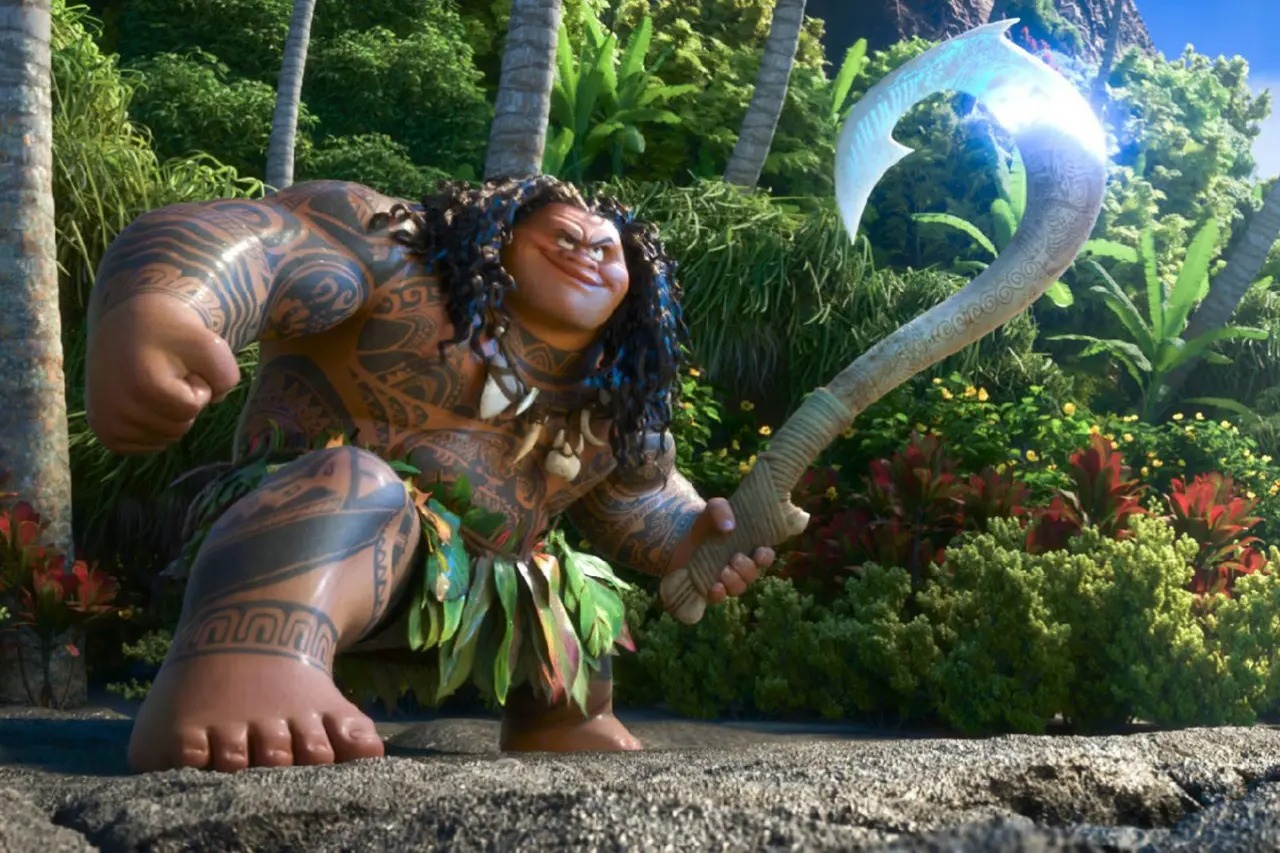
Disney's Moana draws from real Polynesian oral traditions, but the film also blends and reimagines those stories for the screen. The demigod Maui, the living ocean, and the heart of Te Fiti all have roots in Pacific cultures, though some details—like Te Fiti herself—are Disney creations rather than documented deities.
The Origins of Moana's Story
Disney's "Moana" draws inspiration from rich Maori and Pacific legends. These tales shape the film's characters, settings, and themes.
The Legend of Maui
Maui, the demigod, plays a crucial role in Moana's journey. His character is rooted in various Polynesian myths.
- Maori tradition: Maui is known for fishing up the North Island, using his magical fishhook.
- Hawaiian Tales: Maui is known for various feats showcasing his trickster nature.
- Tahitian Lore: Maui is known for various feats that helped humanity.
Te Fiti and Te Kā
Te Fiti, the goddess of creation, and Te Kā, the lava demon, represent dual aspects of nature in the film.
- Te Kā's fiery persona mirrors aspects of volcanic deities in Pacific traditions.
- Te Fiti's life-giving powers share similarities with creator gods in Pacific traditions.
The Ocean as a Living Entity
In "Moana," the ocean is a character with its own will, guiding and protecting Moana.
- Pacific Beliefs: The ocean is seen as a living being, with its own spirit and intentions.
- Pacific Traditions: The sea is revered, often considered a deity that interacts with humans.
The Heart of Te Fiti
The heart of Te Fiti, a green stone, symbolizes life and creation in the movie.
- Maori Pounamu: Greenstone, or pounamu, holds spiritual significance, often used in carvings and jewelry.
- The heart of Te Fiti, a green stone, symbolizes life and creation in the movie, echoing sacred objects in Pacific cultures.
Moana's Wayfinding Skills
Moana's navigation skills are inspired by ancient Polynesian wayfinders who used the stars, ocean currents, and birds to travel vast distances.
- Polynesian Star Navigation: Navigators used the stars to chart courses across the Pacific.
- Polynesian Canoe Voyages: Double-hulled canoes enabled long-distance travel, connecting islands and cultures.
The Kakamora
The Kakamora, tiny coconut-armored pirates, add a touch of humor to Moana's quest.
- Pacific Legends' Kakamora: These small, mischievous creatures are believed to live in the forests, causing trouble for humans.
- Pacific Legends: Similar small beings, known for their trickery and stealth, appear in regional folklore.
Moana's Ancestors
Moana's connection to her ancestors drives her to restore the heart of Te Fiti.
- Pacific Beliefs: Ancestral spirits guide and protect their descendants.
- Samoan Tupuaga: Ancestors play a vital role in guiding the living, often through dreams and signs.
The Island of Motunui
Moana's home island, Motunui, reflects the beauty and culture of Polynesian islands.
- Tahitian Influence: The lush landscapes and vibrant culture of Tahiti inspire Motunui's design.
- Samoan Villages: Traditional Samoan architecture and community life are mirrored in Moana's village.
The Cultural Tapestry of Moana
Disney's Moana blends Maori and Pacific legends. The film introduces viewers to Maui, the demigod, and Te Fiti, the goddess of creation, both rooted in ancient stories. Moana's journey reflects the Polynesian tradition of wayfinding, showcasing their navigation skills. The movie highlights the importance of nature and respect for the environment, core values in Pacific cultures. By weaving these elements into the story, Disney has created a film that brings awareness to the rich heritage of the Maori and other Pacific peoples. Next time you watch Moana, remember the deep cultural significance behind the characters and their adventures. This understanding adds a new layer of appreciation for the film and the cultures it represents.
Related travel guides: How To Add Someone To Your Disney Reservation and What To Expect On A Make-A-Wish Disney Trip.
