

Midnight In Bangkok, Thailand
Introduction
Welcome to Bangkok, the vibrant capital city of Thailand! Known for its bustling streets, rich cultural heritage, and vibrant nightlife, Bangkok is a city that never sleeps. From its magnificent temples and palaces to its mouthwatering street food and bustling markets, Bangkok offers an endless array of experiences to delight visitors.
Bangkok, located on the banks of the Chao Phraya River, has a fascinating history and has grown from a small trading post in the 15th century to become the economic, political, and cultural center of Thailand. Its rapid development and modernization have not diminished its charm, as the city seamlessly blends tradition and modernity.
One of the highlights of visiting Bangkok is exploring its numerous temples, which are architectural marvels and important religious sites. From the iconic Wat Arun, with its exquisite porcelain-encrusted spires, to the grandeur of Wat Phra Kaew, home to the revered Emerald Buddha, these temples offer a glimpse into Thailand’s spiritual heritage.
Bangkok is also renowned for its lively street food scene, offering a tantalizing array of flavors and aromas. Whether you’re savoring the tangy and spicy Tom Yum Goong soup, indulging in the flavorful Pad Thai noodles, or sampling the exotic and aromatic street-side grilled meats, Bangkok’s street food is a gastronomic adventure in itself.
For those seeking a taste of Bangkok’s vibrant nightlife, the city offers an array of options. From trendy rooftop bars offering panoramic views of the skyline to lively night markets offering a mix of shopping, dining, and entertainment, Bangkok comes alive after dark.
When it comes to shopping, Bangkok is a paradise for retail therapy. From bustling markets like Chatuchak Weekend Market, where you can find everything from clothes to handicrafts, to luxurious shopping malls like Siam Paragon, where international brands and designer boutiques reside, Bangkok offers something for every shopper.
Getting around Bangkok is convenient, thanks to its efficient transportation system. The BTS Skytrain and MRT subway network connect major areas of the city, making it easy to explore. Tuk-tuks, a popular mode of transportation, offer a unique and thrilling way to navigate the city’s busy streets.
With its booming tourism industry, Bangkok offers a wide range of accommodation options to suit every budget and preference. From luxury hotels with stunning river views to affordable guesthouses in the charming neighborhoods, there’s no shortage of places to stay in this bustling metropolis.
While Bangkok is generally a safe city for travelers, it’s always important to take certain precautions. Being aware of your surroundings, avoiding scams, and following general safety guidelines will ensure a smooth and enjoyable trip to the city.
So, whether you’re a history buff, a food lover, a shopaholic, or someone looking for a vibrant nightlife, Bangkok has it all. Get ready to immerse yourself in the vibrant culture and energy of this dynamic city.
History of Bangkok
The history of Bangkok dates back to the 15th century when it was a small trading post during the Ayutthaya Kingdom (1351-1767). It was strategically located on the banks of the Chao Phraya River, making it an important trading hub for merchants and traders from neighboring regions.
In 1767, Ayutthaya, the capital of the Ayutthaya Kingdom, was destroyed by the Burmese, and the capital was moved to Thonburi, the western bank of the Chao Phraya River. However, in 1782, King Rama I, the founder of the Chakri Dynasty, moved the capital across the river to its present location and named it Krung Thep, which means “City of Angels.” The full name of the city is actually the longest place name in the world, but it is commonly known as Bangkok.
Under the rule of the Chakri Dynasty, Bangkok thrived and grew rapidly. King Rama IV and King Rama V played significant roles in modernizing the city, introducing Western technologies, and opening up to foreign trade and influence. The construction of railroads, canals, and bridges further enhanced Bangkok’s connectivity and trading possibilities.
During the 20th century, Bangkok underwent extensive urban development and transformed into a bustling metropolis. The city saw the rise of modern infrastructure, including skyscrapers, highways, and an expanded transportation network. This period of growth saw an influx of people from all over the country, resulting in a diverse and cosmopolitan population.
During World War II, Bangkok was occupied by Japanese forces and used as a strategic base. After the war, the city experienced a period of rapid economic and industrial growth, with the establishment of factories, businesses, and foreign investments.
Today, Bangkok continues to be the economic, political, and cultural heart of Thailand. It is a thriving cosmopolitan city that blends the charm of its historic past with the dynamism of modernity. The sprawling metropolis is home to millions of people from different backgrounds, creating a vibrant melting pot of cultures and traditions.
The rich history of Bangkok can be seen in its architecture, with splendid palaces, temples, and traditional houses preserved throughout the city. Notable landmarks such as the Grand Palace, Wat Arun, and Wat Phra Kaew are testament to the city’s historical significance and architectural prowess.
Exploring the history of Bangkok allows visitors to gain a deeper understanding of Thai culture and traditions. From the ancient monuments to the modern skyscrapers, Bangkok’s history is a fascinating mosaic that showcases the resilience and spirit of the Thai people.
Cultural Heritage of Bangkok
Bangkok, the cultural capital of Thailand, is a treasure trove of traditions, customs, and rich cultural heritage. The city is deeply rooted in Thai history and spirituality, which is reflected in its magnificent temples, vibrant festivals, and traditional arts.
One of the most iconic symbols of Bangkok’s cultural heritage is the Grand Palace. Built in 1782, the Grand Palace served as the official residence of the Thai kings for over 150 years. Its exquisite architecture, intricate details, and breathtaking beauty make it a must-visit destination for tourists. Within the palace complex is the renowned Wat Phra Kaew, the Temple of the Emerald Buddha, which houses the sacred Emerald Buddha statue.
Wat Arun, also known as the Temple of Dawn, is another architectural gem that represents Bangkok’s cultural heritage. Its towering spires, adorned with colorful porcelain and seashells, create a stunning sight, especially when illuminated at sunset. The temple is dedicated to the Hindu god Aruna, symbolizing the rising sun.
Bangkok is also famous for its traditional Thai massage, an ancient therapeutic practice that has been passed down through generations. Many reputable massage schools and spas can be found throughout the city, offering travelers the opportunity to experience this healing art form.
Festivals play a significant role in Thai culture, and Bangkok is no exception. Songkran, the Thai New Year, is celebrated with great enthusiasm, with locals and visitors engaging in water fights and traditional rituals to symbolize the cleansing of the past year and welcoming the new one. Loy Krathong, the Festival of Lights, is another important celebration in Bangkok, where small floating baskets made of banana leaves are released onto the rivers, symbolizing the letting go of negativity and making wishes for the future.
Bangkok’s cultural heritage can also be experienced through traditional arts and crafts. The city is home to various artisans who specialize in crafts like silk weaving, pottery, wood carving, and traditional Thai painting. Visitors can explore workshops and galleries to witness the creation of these exquisite handicrafts and even purchase unique and authentic pieces to take home as souvenirs.
Traditional Thai cuisine is another integral part of Bangkok’s cultural heritage. From the world-famous pad Thai and green curry to lesser-known delicacies like som tam (papaya salad) and khao soi (curry noodle soup), the flavors and spices of Thai cuisine are deeply rooted in the country’s cultural heritage. Exploring the bustling street food markets and dining in local restaurants is an essential part of experiencing Bangkok’s cultural richness.
Through its temples, festivals, arts, crafts, and culinary traditions, Bangkok preserves and celebrates its cultural heritage. The city offers visitors a unique and immersive experience, providing insight into the diverse and fascinating customs of Thailand. Immerse yourself in the cultural fabric of Bangkok, and you’ll discover a vibrant city that beautifully blends tradition with modernity.
Famous Landmarks in Bangkok
Bangkok, the capital city of Thailand, is home to several famous landmarks that are not only iconic symbols of the city but also significant cultural and historical sites. These landmarks showcase the beauty, grandeur, and diversity of Bangkok’s architecture and heritage.
One of the must-visit landmarks in Bangkok is the Grand Palace. Built in 1782, the Grand Palace served as the official residence of the Thai kings for over 150 years. Within this vast complex, visitors can explore magnificent structures like the Wat Phra Kaew (Temple of the Emerald Buddha), which houses the sacred and revered Emerald Buddha statue. The intricate design, vibrant colors, and golden embellishments make the Grand Palace an architectural marvel.
Wat Arun, also known as the Temple of Dawn, is another iconic landmark that should not be missed. Located on the banks of the Chao Phraya River, Wat Arun stands tall with its distinctive prang (tower) covered in colorful porcelain tiles. Climbing to the top of the prang offers stunning panoramic views of the river and the city skyline, especially during sunset.
Another famous landmark in Bangkok is Wat Pho, also known as the Temple of the Reclining Buddha. This temple is home to the impressive 46-meter-long reclining Buddha statue, covered in gold leaf. The sheer size and intricate details of the statue, along with the serene atmosphere of the temple complex, make it a popular attraction for tourists and locals alike.
Bangkok’s skyline is dominated by the modern architectural marvel of the Baiyoke Tower II. Standing at a height of 304 meters, this skyscraper offers breathtaking panoramic views of the city from its observation deck. With its revolving rooftop restaurant and luxurious hotels, Baiyoke Tower II is a prominent landmark that symbolizes the city’s urban development.
No visit to Bangkok is complete without exploring the floating markets, and the Damnoen Saduak Floating Market is one of the most popular. Located just outside the city, this vibrant market allows visitors to experience the hustle and bustle of Thai market culture while floating along the canals in long-tail boats. The market is filled with colorful fruits, vegetables, local crafts, and delicious street food.
For art lovers, the Bangkok Art and Culture Centre (BACC) is a must-visit landmark. This contemporary art gallery and cultural hub showcases a diverse range of local and international artworks, including paintings, sculptures, installations, and multimedia art. The BACC hosts various exhibitions, performances, and workshops, making it a vibrant and creative space in the heart of Bangkok.
These are just a few examples of the famous landmarks that adorn the city of Bangkok. From ancient temples to modern skyscrapers, these landmarks represent not only the architectural brilliance but also the cultural heritage and diversity of the city. Exploring these landmarks allows visitors to delve deeper into the history, spirituality, and artistic richness of Bangkok.
Nightlife in Bangkok
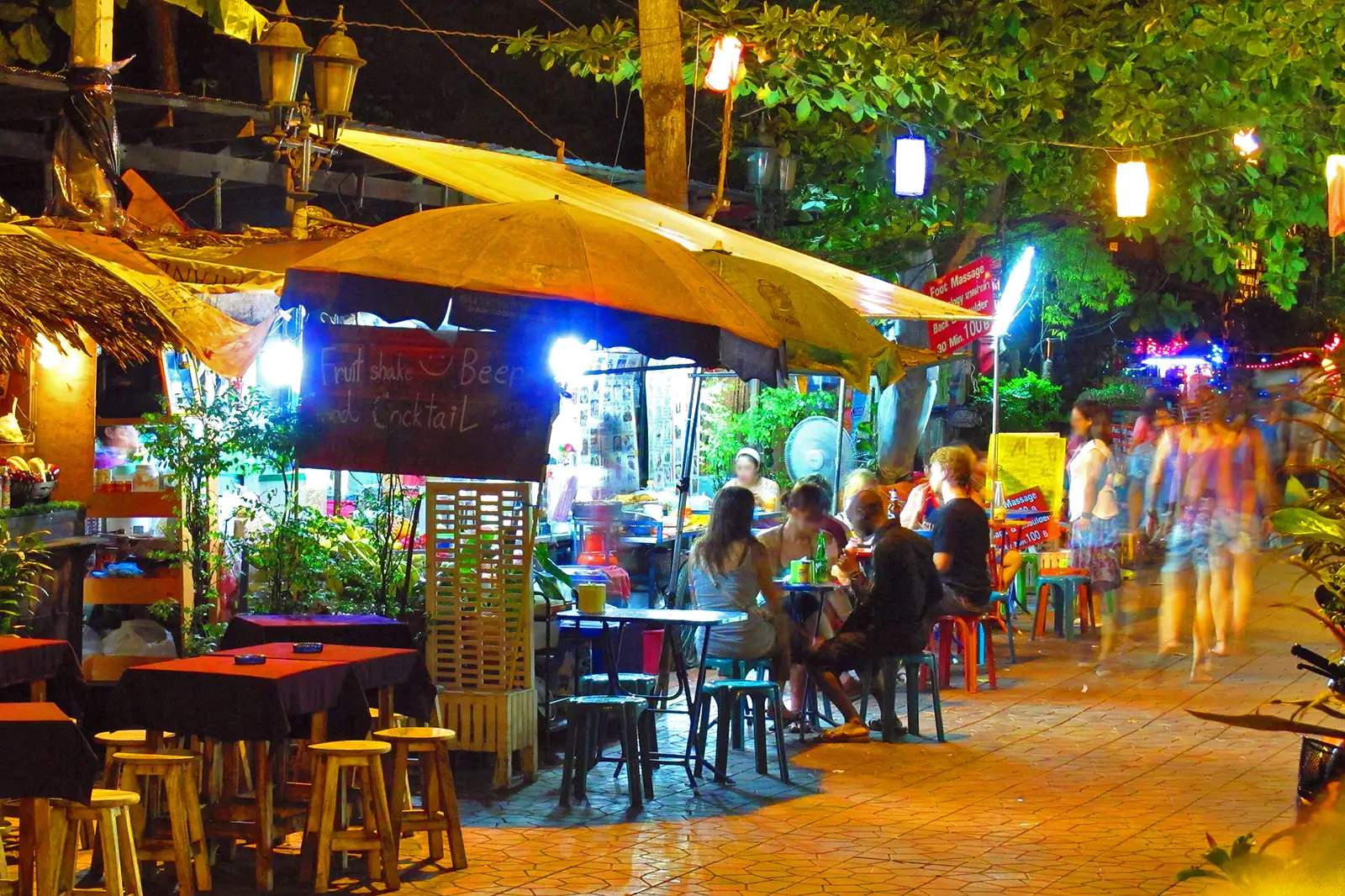
Bangkok has earned a well-deserved reputation as a vibrant and buzzing city with an electrifying nightlife scene. From rooftop bars and nightclubs to night markets and cultural performances, the city offers a myriad of options for night owls seeking entertainment and excitement after the sun sets.
For those looking to enjoy panoramic views of Bangkok’s skyline while sipping on cocktails, the city’s rooftop bars are a must-visit. Sky Bar at Lebua State Tower, made famous by its appearance in the movie “The Hangover 2,” offers breathtaking views of the cityscape from its open-air terrace. Moon Bar at Banyan Tree Bangkok and Vertigo and Moon Bar at the Banyan Tree Hotel are also popular choices for their sky-high settings and impressive drink menus.
Bangkok’s nightlife scene is not just confined to rooftop bars. The city boasts a plethora of nightclubs and music venues that cater to different tastes and genres. RCA (Royal City Avenue) is a popular area with multiple nightclubs and bars, offering a variety of music styles from EDM to hip-hop. Sukhumvit Road is another hotspot for nightlife, with its numerous bars, clubs, and live music venues that cater to both locals and tourists.
For a unique cultural experience, catching a traditional Thai dance or live music performance is a great option. The Thailand Cultural Center and the Siam Niramit Theater are renowned venues that showcase traditional Thai dances, music, and theatrical performances. These shows provide a glimpse into Thailand’s rich cultural heritage and are a captivating way to spend an evening in Bangkok.
Night markets are an integral part of Bangkok’s nightlife, offering a vibrant atmosphere and a variety of shopping, dining, and entertainment options. Patpong Night Market in Silom is famous for its bustling streets, offering everything from clothing and accessories to street food and souvenirs. Asiatique The Riverfront is another popular night market, located on the banks of the Chao Phraya River, featuring a unique blend of shopping, dining, and entertainment experiences in a trendy and lively setting.
Food lovers will delight in Bangkok’s street food scene that comes alive at night. From the iconic pad Thai and grilled satay skewers to the flavorful som tam (papaya salad) and crispy fried chicken, the city is a paradise for food enthusiasts seeking delicious and affordable culinary delights. Street food vendors can be found in bustling areas like Yaowarat (Chinatown), Khao San Road, and Ratchawat Market.
It’s important to note that while Bangkok’s nightlife is vibrant, it’s essential to exercise caution and be aware of personal safety. It’s advisable to stay in well-lit and crowded areas, keep an eye on personal belongings, and avoid excessive alcohol consumption.
Whether you’re in the mood for dancing the night away, enjoying a cultural performance, exploring night markets, or indulging in delectable street food, Bangkok’s nightlife has something for everyone. Embrace the energy and excitement of the city after dark, and you’ll create unforgettable memories in the vibrant nightlife of Bangkok.
Cuisine of Bangkok
The cuisine of Bangkok is a delicious reflection of Thailand’s diverse flavors, aromatic spices, and culinary traditions. From street food vendors to upscale restaurants, the city offers a wide array of tantalizing dishes that will satisfy any food enthusiast’s cravings.
One of the most iconic dishes in Bangkok is pad Thai. This stir-fried noodle dish is a harmonious blend of rice noodles, shrimp, tofu, bean sprouts, and crushed peanuts, all tossed in a tangy and slightly sweet sauce. The combination of flavors and textures makes pad Thai a must-try dish that perfectly embodies the essence of Bangkok’s street food scene.
Another popular street food delicacy is the spicy and sour tom yum goong soup. Made with fragrant herbs and spices, juicy shrimp, mushrooms, and a squeeze of lime, this hot and sour soup packs a flavorful punch. The balance of spicy, sour, and aromatic flavors makes tom yum goong a quintessential dish in Bangkok’s culinary repertoire.
Bangkok is also famous for its succulent and tender grilled meats. Whether it’s moo ping (grilled pork skewers), gai yang (grilled chicken), or pla pao (grilled fish), these street-side barbecue vendors offer an array of smoky and flavorful options. The meats are often marinated in a variety of seasonings and spices, creating a delectable blend of sweet, savory, and smoky flavors.
For those seeking a unique culinary experience, exploring the street food stalls at Yaowarat, Bangkok’s vibrant Chinatown, is a must. Here, you’ll find an assortment of Chinese-Thai dishes that are both delicious and culturally significant. From crispy roast duck and flavorful dim sum to savory stir-fried noodles and delectable desserts, the food in Chinatown is a tantalizing fusion of Chinese and Thai influences.
Bangkok is also known for its vibrant and aromatic curries. The creamy and mellow green curry, made with a paste of green chili peppers, coconut milk, and fragrant herbs, is a popular choice for those craving a satisfying and flavorful meal. Other popular curries include the spicy red curry, the aromatic massaman curry, and the tangy yellow curry.
If you have a sweet tooth, Bangkok won’t disappoint. Thai desserts are a delightful combination of sweet, salty, and sometimes spicy flavors. Mango sticky rice, a luscious dessert made with ripe mangoes, sticky rice, and coconut milk, is a perennial favorite. Other sweet treats include kanom krok (coconut pancakes), tub tim krob (crispy water chestnuts in coconut milk), and bua loi (sticky rice balls in coconut milk).
To truly experience the cuisine of Bangkok, make sure to explore the local markets, where you’ll find a plethora of food stalls offering a variety of dishes. Some popular markets include Chatuchak Weekend Market and Pratunam Market, where you can sample a wide range of delectable street food while immersing yourself in the bustling atmosphere.
From the aromatic spices to the vibrant flavors, the cuisine of Bangkok is a true sensory delight. Whether you’re indulging in street food, dining at a trendy restaurant, or discovering hidden local gems, the culinary experiences in Bangkok will leave you craving for more.
Shopping in Bangkok
Bangkok is a shopper’s paradise, offering a diverse and vibrant shopping scene that caters to every taste and budget. From bustling markets to luxurious shopping malls, the city is renowned for its wide variety of retail options.
One of the most famous shopping destinations in Bangkok is Chatuchak Weekend Market. With over 8,000 stalls spread across 27 acres, this sprawling market is a treasure trove of unique finds. From clothing and accessories to handicrafts and home decor, you can find almost anything at Chatuchak. Bargaining is a common practice here, so be prepared to haggle for the best deals.
For a more upscale shopping experience, head to Siam Paragon, one of the largest and most luxurious shopping malls in Southeast Asia. Here, you’ll find a wide range of designer brands, high-end fashion boutiques, and luxury goods. The mall also features a plethora of dining options, a cinema complex, and even an aquarium.
If you’re looking for a taste of Thai fashion, head to Pratunam Market. This wholesale clothing market is a favorite among locals and tourists alike. It offers a wide selection of affordable fashion items, including clothing, accessories, and shoes. Don’t forget to browse through Platinum Fashion Mall, located adjacent to Pratunam Market, which is particularly popular for trendy and affordable women’s fashion.
For a blend of shopping, dining, and entertainment, consider visiting CentralWorld. It is one of the largest shopping centers in Southeast Asia and offers a wide range of international brands as well as local boutiques. The mall also hosts various events and exhibitions throughout the year.
For a taste of Thailand’s traditional and unique crafts, a visit to Jim Thompson House is a must. This former home of American entrepreneur Jim Thompson is now a museum and boutique that showcases Thai silk. Browse through the beautiful Thai silk products, from clothing and accessories to home furnishings, and learn about the history and art of silk production in Thailand.
Bangkok is also famous for its floating markets, where vendors sell their goods from traditional wooden boats. Damnoen Saduak Floating Market, located just outside the city, is the most well-known and popular floating market. Here, you can navigate through the canals and shop for fresh fruits, vegetables, handicrafts, and souvenirs directly from the vendors.
For a more relaxed shopping experience, check out Terminal 21. This themed shopping mall takes inspiration from various famous cities around the world, with each floor designed like a different city. From Tokyo to Istanbul, you can explore different cultures and shop for fashion, accessories, and quirky items.
It’s important to mention that Bangkok is also famous for its bespoke tailoring. Many skilled tailors in the city provide custom-made clothing, including suits, shirts, and dresses. So, if you’re looking for a unique and personalized fashion item, consider getting something tailor-made in Bangkok.
Whether you’re seeking local crafts, fashionable clothing, designer brands, or unique souvenirs, Bangkok offers a shopping experience like no other. From vibrant markets to luxurious malls, the city has something for every shopper’s preference and budget. So, get ready to indulge in some retail therapy and discover the shopping wonders of Bangkok.
Transportation in Bangkok
Getting around in Bangkok is convenient and efficient, thanks to its diverse and well-connected transportation options. From public transport to taxis, the city offers various modes of transportation that make navigating this bustling metropolis a breeze.
One of the most convenient and popular modes of transportation in Bangkok is the BTS Skytrain. This elevated train system covers major areas of the city, including popular tourist destinations, shopping centers, and business districts. The BTS Skytrain is known for its punctuality, cleanliness, and air-conditioned carriages, making it a comfortable option for both locals and tourists.
For travel within the inner city and to surrounding areas, the MRT subway system is another excellent choice. Covering both underground and elevated routes, the MRT connects key areas of Bangkok and intersects with the BTS Skytrain at several stations, allowing for seamless transfers between the two systems.
Tuk-tuks, the iconic three-wheeled motorized vehicles, are a popular and unique mode of transportation in Bangkok. Although they may not be the most practical option for long distances due to traffic congestion, tuk-tuks are a fun and adventurous way to experience the city’s bustling streets. Negotiating the fare beforehand is essential, as tuk-tuk drivers often expect some bargaining.
Taxis are widely available in Bangkok and offer an affordable way to travel around the city, especially for group travelers. Metered taxis are the norm, and it’s advisable to ensure that the driver uses the meter to avoid overcharging. While traffic can be heavy, especially during peak hours, taxis provide a comfortable and air-conditioned option for getting around the city.
Another unique mode of transportation is the Chao Phraya River ferry service. Operating along the Chao Phraya River, these river taxis offer a scenic and convenient way to travel to various tourist attractions, such as Wat Arun and the Grand Palace. An all-day pass is available, allowing for unlimited rides and the opportunity to explore Bangkok from a different perspective.
Motorcycle taxis are also a common sight in Bangkok and are particularly useful for short distances or to navigate through congested areas. These motorcycle taxis can be found at designated stands and are recognizable by their colored vests, indicating the areas they cover. However, it’s important to note that safety precautions should be taken, such as wearing a helmet and ensuring that the driver is experienced and reliable.
For those who prefer a more leisurely pace, exploring Bangkok on foot is an excellent option, especially in areas with pedestrian-friendly streets and sidewalks. Walking allows for a closer look at the city’s vibrant street life, and it’s an ideal way to discover hidden gems and local attractions.
With its extensive and well-connected transportation network, getting around Bangkok is relatively easy. However, it’s important to plan your routes in advance, especially during peak hours, to avoid traffic congestion. Utilizing a combination of public transport options, such as the BTS Skytrain and MRT subway, along with alternative modes like taxis and river ferries, will provide you with a convenient and efficient means of exploring the dynamic city of Bangkok.
Accommodation in Bangkok
When it comes to accommodation, Bangkok offers a wide range of options to suit every budget and preference. From luxurious five-star hotels to affordable guesthouses and hostels, the city caters to the needs of all travelers.
Bangkok is home to numerous internationally renowned hotels, many of which are located along the Chao Phraya River, offering breathtaking views of the city skyline. The riverside hotels provide a tranquil and luxurious setting, away from the hustle and bustle of the city center. These upscale accommodations boast amenities like rooftop pools, spa facilities, and top-notch restaurants.
In the heart of Bangkok, areas like Silom, Sukhumvit, and Siam are popular choices for accommodation. These areas offer a wide range of hotels, from internationally recognized chains to boutique hotels. They are conveniently located near shopping centers, restaurants, and public transportation, making it easy to explore the city’s attractions.
For budget travelers, Bangkok has an extensive selection of affordable guesthouses and hostels. Areas like Khao San Road and the Old City are known for their budget accommodations, attracting backpackers and budget-conscious travelers. While these options may not offer the same level of luxury as high-end hotels, they provide a comfortable and economical base for exploring the city.
Another unique accommodation option in Bangkok is staying in a traditional Thai house that has been converted into a guesthouse or boutique hotel. These heritage properties offer an authentic experience, allowing guests to immerse themselves in Thai culture and architecture.
With the rise of the sharing economy, platforms like Airbnb have gained popularity in Bangkok. Visitors can choose from a range of private rooms and apartments, offering flexibility and a more localized experience. However, it’s important to check the reviews and verify the legitimacy of the listings before making a booking.
Before booking accommodation, it’s advisable to consider factors such as location, proximity to public transportation, and reviews from previous guests. It’s also worth exploring unique accommodation experiences, such as staying in a traditional teak house or a boutique hotel with a rooftop bar.
Regardless of the type of accommodation chosen, it’s always essential to prioritize safety and security. Look for accommodations with good reviews and reputable hosts or hotel chains. Additionally, consider the availability of amenities like Wi-Fi, air conditioning, and breakfast options to ensure a comfortable stay.
With its wide range of accommodation options, Bangkok caters to travelers of all budgets and preferences. Whether you’re seeking luxury and sophistication or a cozy and affordable stay, the city offers something to suit everyone’s needs, making for a memorable and comfortable visit to the vibrant capital of Thailand.
Safety Tips for Travelers
While Bangkok is generally a safe destination for travelers, it’s important to exercise caution and follow these safety tips to ensure a smooth and secure trip:
- Stay aware of your surroundings: Be mindful of your surroundings at all times, especially in crowded areas or tourist attractions. Stay alert to pickpockets and keep an eye on your belongings.
- Avoid revealing valuables: Keep your valuables hidden or secured, and avoid flashing expensive jewelry or electronic devices in public. This can make you a target for theft.
- Use reputable transportation: Stick to legitimate taxis with meters or use reputable ride-hailing services. Avoid unmarked vehicles and be cautious when using tuk-tuks or motorbike taxis.
- Be cautious with your personal information: Be cautious when providing personal information, such as credit card details, to prevent fraud or identity theft. Use secure payment methods when making purchases.
- Stay hydrated: Bangkok’s humid climate can be dehydrating, so drink plenty of bottled water to stay hydrated. Avoid drinking tap water, and be cautious of ice in drinks from street vendors.
- Respect local customs and laws: Familiarize yourself with the local customs and laws to show respect to the Thai culture. For example, it is important to dress modestly when visiting temples or sacred sites.
- Stay informed about scams: Be aware of common scams targeting tourists, such as gem scams, tuk-tuk scams, or overly friendly strangers offering unsolicited advice or assistance. Always be cautious and trust your instincts.
- Keep a copy of important documents: Make copies of your passport, visa, and other important travel documents. Keep the originals in a secure location, and carry copies with you in case of loss or theft.
- Secure your accommodations: Choose reputable and secure accommodations, ensuring they have proper security measures in place. Use hotel safes to store your valuables.
- Stay updated on travel advisories: Check for any travel advisories or warnings from your home country’s embassy or consulate before and during your trip. Stay informed about any potential safety concerns or political unrest in the area.
By following these safety tips, you can have a safe and enjoyable experience exploring the vibrant and bustling city of Bangkok. Remember to use common sense, trust your instincts, and prioritize your personal safety throughout your travels.
Conclusion
Bangkok, with its rich history, vibrant culture, and bustling streets, offers a unique and captivating experience for travelers. From exploring magnificent temples and sampling mouth-watering street food to immersing oneself in the city’s lively nightlife and indulging in shopping extravaganzas, Bangkok has something for everyone.
The city’s renowned landmarks, such as the Grand Palace, Wat Arun, and Chatuchak Weekend Market, showcase its architectural splendor and cultural heritage. The cuisine of Bangkok tantalizes the taste buds, with its diverse flavors and aromatic spices, while the vibrant nightlife scene promises endless entertainment and excitement.
While navigating Bangkok’s busy streets, it’s important to prioritize safety by remaining aware of your surroundings, avoiding revealing valuables, and using reputable transportation options. Respecting local customs and laws, staying hydrated in the city’s humid climate, and staying informed about common scams are also crucial to ensuring a hassle-free and secure trip.
From luxurious hotels to budget-friendly guesthouses, Bangkok offers a wide range of accommodation options to suit every preference and budget. Whether you’re seeking a tranquil riverside retreat or a bustling city center experience, the city caters to all travelers’ needs.
In conclusion, Bangkok is a city that truly has it all. Its rich history, cultural heritage, vibrant nightlife, delectable cuisine, and diverse shopping scene make it a destination that captivates the hearts of visitors. So, pack your bags, venture into the bustling streets of Bangkok, and embark on an unforgettable journey through the heart of Thailand.
