

Part of our Sri Lanka guide.
4 places and guides from our Sri Lanka coverage, gathered into one page.
Related travel guides: Travel Inspiration In Sri Lanka, Beaches In Sri Lanka, Hiking And The Outdoors In Sri Lanka, Kandy To Ella Train In Sri Lanka: Everything You Need To Know, and Getting Around The Windy City: Guide to Chicago Public Transportation.
Transport Guide - How To Take Buses, Trains & Tuk Tuks
Buses, trains, tuk-tuks, and private cars are the main modes of transport. Buses are the most widespread option, reaching nearly every town, while tuk-tuks are ideal for short hops and navigating narrow streets. For longer and scenic routes, especially in the hill country, trains are a common choice.
Train Travel In Sri Lanka: The Best Way To Travel
Traveling by train allows you to witness breathtaking scenery, interact with locals, and delve into the cultural heritage of the country. Sri Lanka's train system dates back to the colonial era, and the British influence is evident in the architectural grandeur of some of the train stations. The railway tracks weave through tea plantations, lush forests, rolling hills, and coastal stretches. The hill country routes are a highlight.
Kandy To Ella: A Scenic Train Journey
This journey is often called one of the most beautiful train rides in the world. Lush green hills, tea plantations, and charming villages pass by your window. The train ride offers a unique way to see Sri Lanka's stunning landscapes. Kandy: The Cultural Heart of Sri Lanka Starting your journey in Kandy offers a mix of history, culture, and nature. If you plan to get to and climb Sigiriya in Sri Lanka, that iconic rock fortress is a separate excursion from the train route.
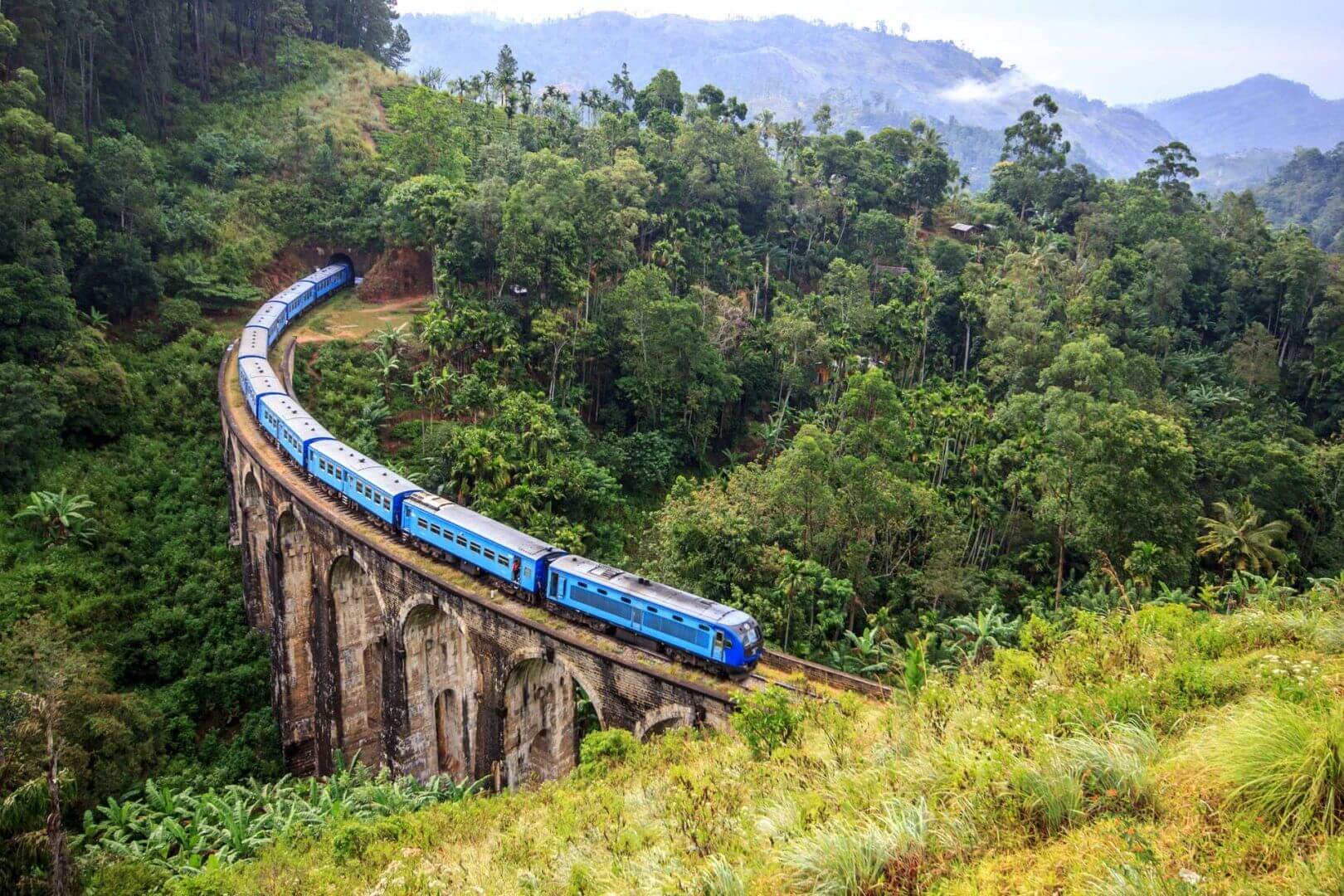
Ella's Nine Arch Train Bridge
The Nine Arch Train Bridge in Ella, also known as the Bridge in the Sky, stands as a testament to engineering from the British colonial era. Nestled amidst lush green hills and tea plantations, the bridge offers breathtaking views and a glimpse into Sri Lanka's rich history. Built entirely of stone and cement, without a single piece of steel, it has stood since its completion in 1921.
