Part of our Korea guide.
Bukhansan National Park sits just north of Seoul, offering a quick escape into nature. Hikers can reach the park by subway or bus from the city center, and trails range from gentle walks to steep summit climbs.
Related travel guides: Things To Do In Korea, Family Travel In Korea, and Events And Seasons In Korea.
Seoul's Popular Bukhansan Hike: What You Need To Know
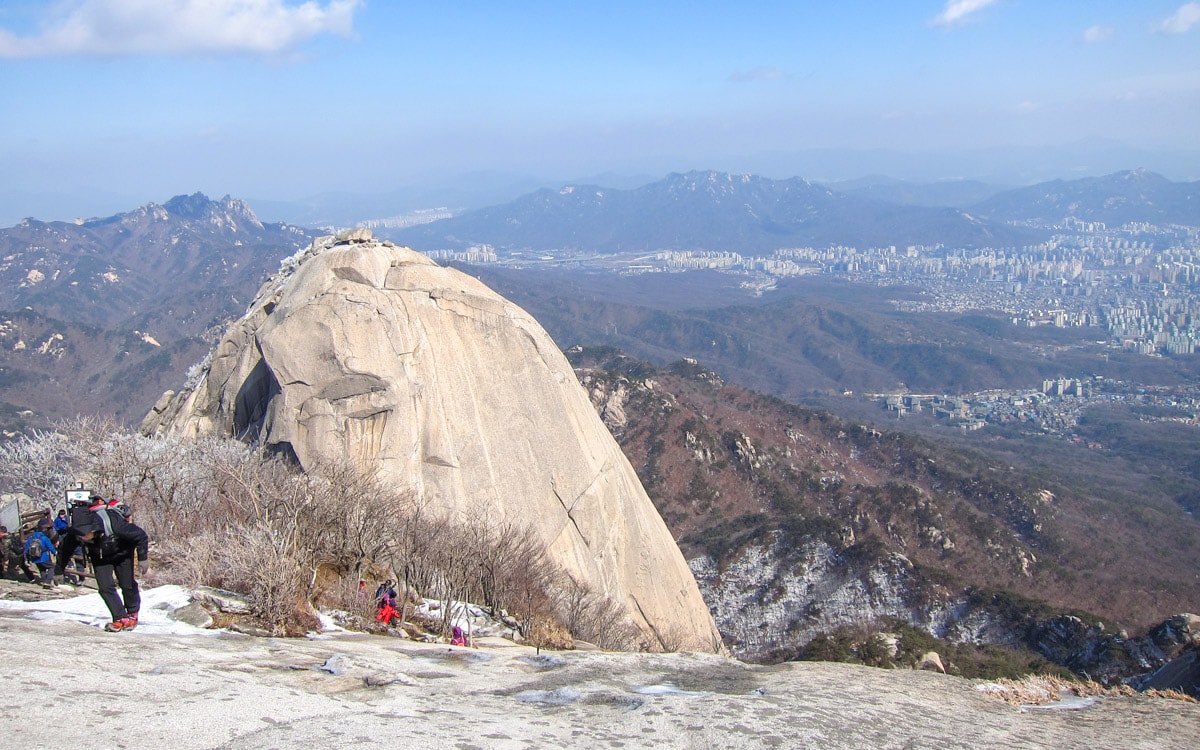
Bukhansan, which translates to "mountains north of the Han River", is a beloved destination for hikers and nature enthusiasts, offering a refreshing escape from the urban chaos. Multiple trails lead to peaks like Baegundae (836 meters) and Insubong (810 meters), with most routes taking three to five hours round-trip. The park is open year-round, but early mornings on weekdays are less crowded. Bring water, sturdy shoes, and a map from the visitor center near the entrance. If you are planning a longer stay in the country, check how long can i stay in Korea as a tourist, as visa rules affect travel plans.
Hiking In Korea - Hike Seoraksan & Wolchulsan Cloud Bridge
Seoraksan National Park, in the northeastern part of Korea, is a UNESCO Biosphere Reserve. Its trails include the popular Ulsanbawi Rock course (about 4 hours round-trip) and the longer Daecheongbong Peak hike (the park's highest at 1,708 meters). The park has multiple entrances; the main one at Sokcho offers the easiest access to cable cars and major trailheads. Wolchulsan National Park, in the southwest, features the Cloud Bridge, a suspension bridge spanning a narrow ridge at 120 meters above the valley floor. The bridge connects two peaks on a loop trail that takes roughly two to three hours. Both parks charge a small entrance fee (typically around 3,000–4,000 won for adults). If you are visiting during autumn, is Chuseok holiday in South Korea? It is, and the parks can get very crowded during that week.
Seoraksan National Park You Need To Know Before Visiting
The best times to visit Seoraksan are spring (April to June) and autumn (September to November), when temperatures are mild and foliage is at its peak. Summer brings monsoon rains and humidity, while winter snow can close some trails. Must-see spots include Sinheungsa Temple, home to a large bronze Buddha statue, and the Gwongeumseong Fortress, reachable via the cable car (round-trip fare about 10,000 won for adults). The park also has several waterfalls, such as Biryong Falls and Towangseong Falls, both accessible from the main trail network. For a full-day hike, start early at the Osaek Mineral Spring and follow the ridge to Daecheongbong. The park's visitor center provides maps and information on nearby attractions. Pack layers, as temperatures drop significantly at higher elevations, and bring snacks since food options inside the park are limited. For those interested in local culture, consider what souvenir to buy in Korea; handcrafted items from Sokcho's market make meaningful keepsakes.