

Part of our Tunisia guide.
Zriba Olia, the Utica ruins, and Dougga reveal distinct layers of Tunisia’s past, from Berber hilltop settlements to Phoenician ports and Roman provincial capitals.
Related travel guides: Hidden Gems In Guatemala, 13 Hidden Gems In El Salvador You Need To See, Tips For Visiting Tikal In Guatemala: 11 Dos And Don'ts, Mysteries Of Arizona's Copper Canyon, Secrets Of Alabama's Prehistoric Mound Sites, and Hidden Indigenous Stone Circles Of Montana's High Plains.
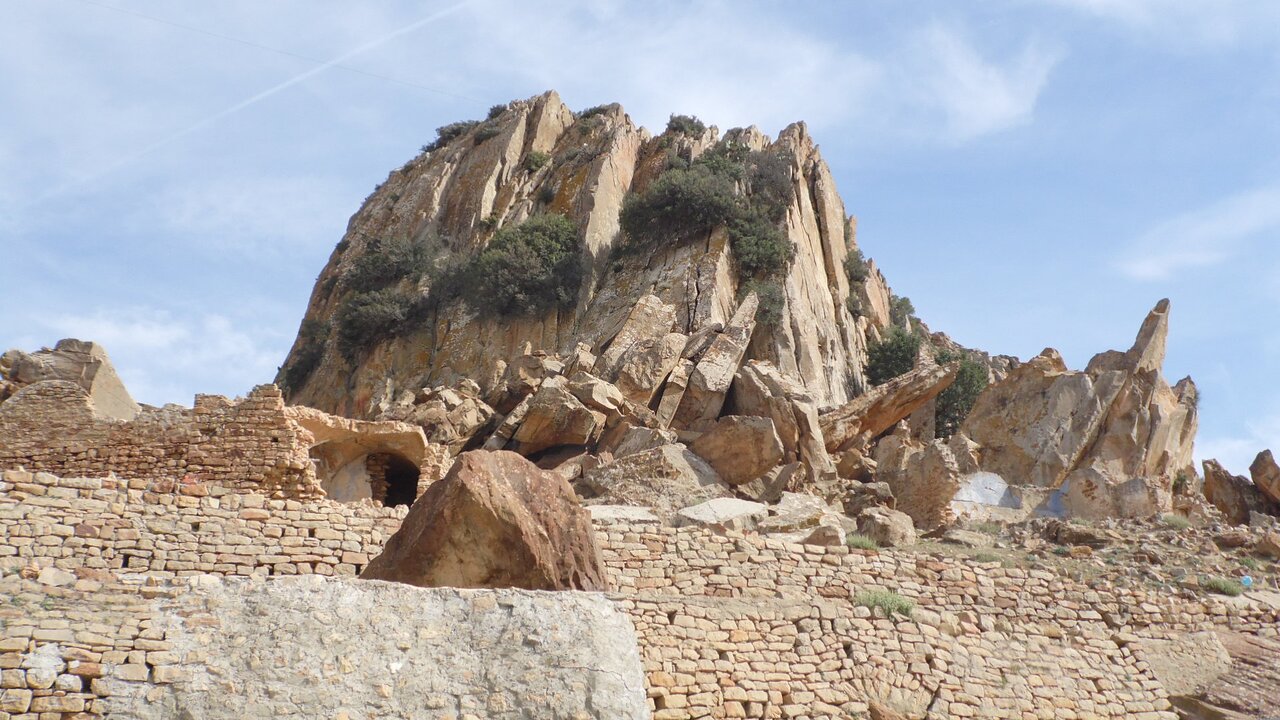
Zriba Olia: An Abandoned Berber Village In Tunisia
This abandoned Berber village in the hills of the Gafsa Governorate offers a glimpse into the region’s history. Stepping into Zriba Olia is like stepping back in time. Its strategic hilltop location gave it a significant role in the area’s past.
Utica Ruins
Tunisia's Utica ruins, near the Mediterranean coast, hold secrets of the Phoenician alphabet dating back thousands of years. Well-preserved structures and artifacts offer a glimpse into a once-thriving city. Ancient inscriptions and pottery tell its story. For those interested in Tunisia's layered heritage, Utica is a tangible link to the Phoenician world, predating even Carthage. The coastal location ties into the broader picture of Tunisian culture: what you should know, where maritime trade shaped early settlements.
Dougga Ruins
Dougga, a UNESCO World Heritage site, offers well-preserved Roman architecture. Walking the Roman roads, you can almost hear echoes of ancient footsteps. From the grand Capitol to the intricate mosaics, Dougga showcases Roman engineering and artistry. Among the lesser-known features are the hidden Roman gladiator training sites in Tunisia's El Jem amphitheater region, though Dougga itself contains a well-preserved theatre and public baths that speak to Roman daily life. The site’s elevated position offers sweeping views of the surrounding countryside, a reminder of how the Romans chose their provincial capitals for both defence and display.
