

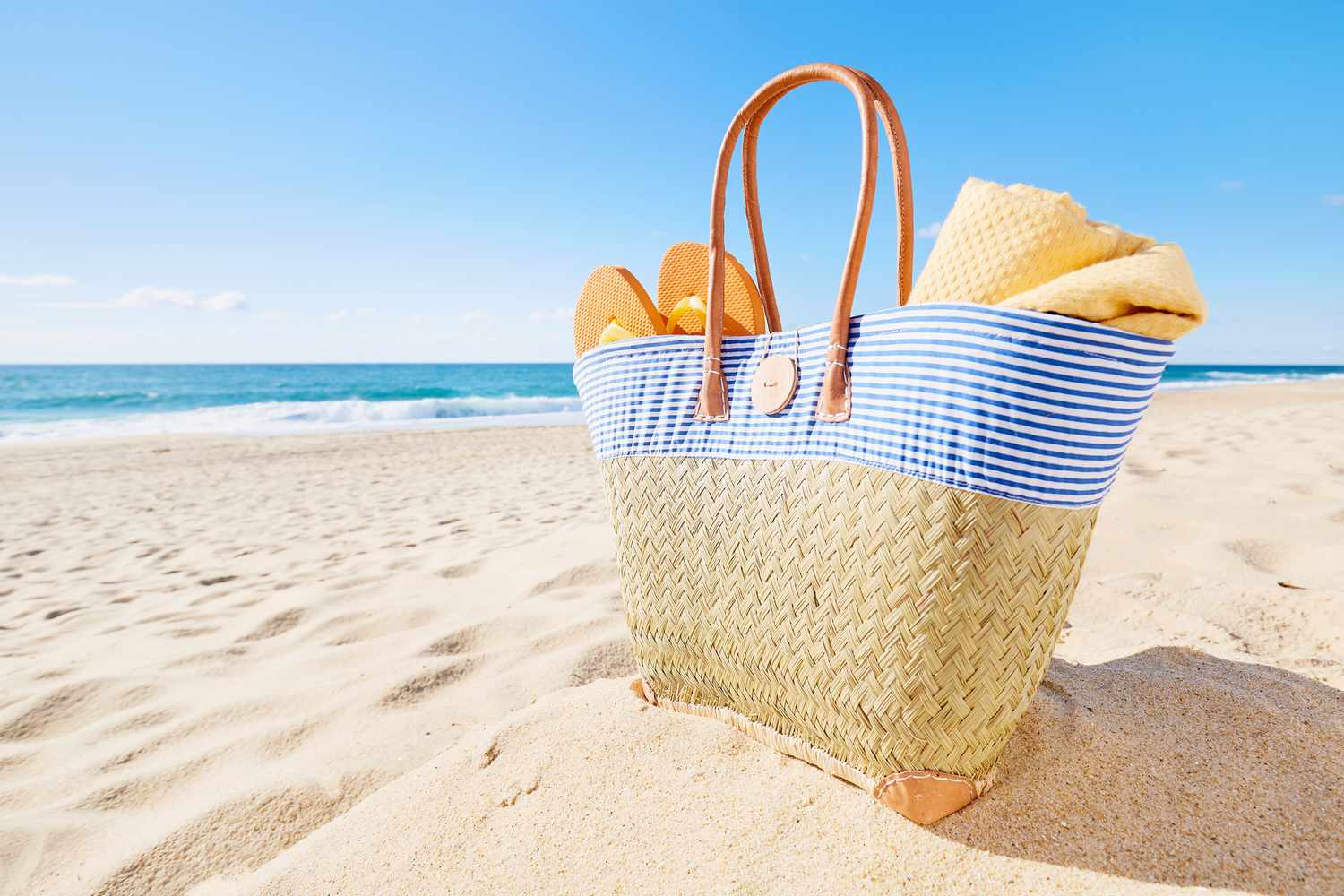
Protect your belongings on the beach by using a lockable safe or bag secured to a fixed object like your chair or umbrella. The catch is that burying them in the sand under a towel or blanket is not true security, so you need a real lock or a hidden pocket to keep valuables out of sight. Choose a sturdy, water-resistant bag with a secure zipper and avoid designer labels to reduce theft risk.
Choosing the Right Beach Bag
When heading to the beach, the first step in protecting your belongings is selecting a suitable beach bag. Look for a bag that is sturdy, durable, and made from water-resistant materials. Opt for a bag with a secure closure, such as a zipper or a Velcro flap, to prevent sand and water from entering.
Consider the size of the bag and choose one that can accommodate all your beach essentials, including towels, sunscreen, snacks, and personal items. It's also helpful to find a bag with multiple compartments or pockets to keep your belongings organized and easily accessible.
Additionally, opt for a bag with a color or pattern that will help it stand out among other beach bags. This will make it easier for you to spot your bag and reduce the chances of someone accidentally taking it.
Remember, it's important to avoid using designer or expensive bags on the beach, as they can attract unwanted attention and increase the risk of theft. Instead, opt for a bag that is stylish yet practical for the beach environment.
Lastly, consider investing in a beach bag with built-in security features. Some bags come with hidden pockets, slash-proof straps, or RFID-blocking compartments to protect your valuables from theft or electronic skimming. A simple way is to conceal them, though burying them in the sand under your towel or blanket is not true security. Another option is to use a lockable beach safe or lockable bag that can be secured to a fixed object like your beach chair or umbrella. Some models allow you to secure the safe to a stationary object like a beach chair or umbrella. If you prefer to be more discreet, you can keep items out of sight, though hiding them under a towel is not secure. Some lockers may require you to bring your own padlock, so make sure to have one handy. These added security features can provide peace of mind while you enjoy your time in the water or relax on the sand.
Keeping Valuables Hidden
One of the key precautions to take when protecting your belongings on the beach is keeping your valuables hidden from prying eyes. Avoid leaving items like wallets, phones, jewelry, and keys out in the open where they can easily be spotted.
Instead, consider using covert storage methods. Make sure to remember the exact location to avoid any confusion when retrieving them later.
These are designed to securely store your valuables and keep them out of sight. Additionally, they are often made from waterproof materials, providing an extra layer of protection against water damage.
This solution allows you to relax on the beach while keeping your belongings nearby and concealed.
Remember, it's important to avoid drawing attention to your hidden storage methods. Avoid suspicious behavior like constantly checking on your hidden items or openly discussing their location. Stay vigilant and inconspicuous to maintain the security of your valuables.
Using a Waterproof Case for Electronics
Electronic devices, such as smartphones, tablets, and cameras, are often an integral part of our beach experience. However, exposing them to sand and water can pose a significant risk. To protect your electronics from damage, invest in a waterproof case.
A waterproof case acts as a protective barrier, keeping your devices safe from water, sand, and even accidental drops. These cases are specifically designed to seal out moisture and provide a secure enclosure for your electronics. Look for cases that are certified to withstand submersion in water for a certain depth and duration to ensure maximum protection.
When selecting a waterproof case, consider the size and compatibility with your devices. Some cases come with built-in screen protectors and allow for full functionality, allowing you to still operate your device while it is protected. Remember to follow the manufacturer's instructions for proper usage and maintenance of the case to ensure its effectiveness.
Aside from protecting your electronics from water damage, a waterproof case also safeguards them against sand and sunscreen. Dirty or greasy hands can easily transfer sand or oil onto your device's screen, potentially causing scratches or other damage. With a waterproof case, you can enjoy the beach without worrying about these potential hazards.
Remember to use the waterproof case as an additional precaution and follow general guidelines for electronic safety on the beach. Avoid exposing your devices to excessive heat or direct sunlight for extended periods, as this can also cause damage. Additionally, always store your electronics in a secure location when not in use to minimize the risk of theft. For comprehensive coverage, consider practical tips for safety insurance as part of your travel planning.
By investing in a reliable waterproof case for your electronics, you can capture amazing beach memories and enjoy your devices worry-free.
Utilizing Lockers or Safe Storage Options
Many beaches offer lockers or safe storage options for visitors to securely store their belongings. Lockers are typically located near the beach entrance or in designated areas and are often available for rent on an hourly or daily basis in various sizes.
When using a locker, store valuable items such as wallets, phones, and keys inside. Lockers are usually made of sturdy materials and secured with a combination lock or key. It's good practice to also place non-valuables like towels or beach toys inside to reduce temptation for theft.
If lockers are not available, check with beach management for safe storage options. Some beaches offer secure, surveilled areas where attendants can keep an eye on your belongings while you enjoy the water.
Remember to plan ahead and bring spare change or cash for locker rentals or any fees. It's always better to have peace of mind knowing your belongings are secured rather than constantly worrying. However, lockers and safe storage may not be available at every beach, so research and plan accordingly. When in doubt, check with beach management or do online research for available facilities. For travelers, considering practical tips for safety insurance can also provide additional peace of mind, and knowing if Mexico travel should include safety insurance is worth checking before your trip.
Bringing a Portable Safe or Lockbox
For an added layer of security, consider bringing a portable safe or lockbox with you to the beach. These compact and lightweight storage devices are designed to keep your valuables protected, even in crowded beach settings.
A portable safe or lockbox typically features a combination lock or a key lock, ensuring that only you have access to its contents. They are made from sturdy materials, such as steel or reinforced plastic, making them difficult to break into.
When choosing a portable safe or lockbox, consider the size and capacity. Ensure that it is large enough to hold your valuables, including wallets, phones, keys, and jewelry. Look for a model with a water-resistant or waterproof construction to protect your belongings from potential water damage.
Before heading to the beach, store your valuables inside the portable safe or lockbox and secure it using the provided lock. Place the safe in an inconspicuous spot within your beach bag or under your towel, ensuring that it is not easily visible to others.
A portable safe or lockbox can also be useful when you're taking breaks from the water or exploring the surrounding area. Instead of carrying your valuable items with you, simply lock them inside the safe and enjoy your activities with peace of mind.
Remember to keep the safe within eyesight whenever possible, especially in busy beach areas. While a portable safe or lockbox adds an extra layer of security, it's always best to take precautions and stay vigilant of your surroundings to prevent theft or unauthorized access.
With a portable safe or lockbox, you can relax and enjoy your beach day knowing that your valuables are securely stored and protected.
Keeping a Watchful Eye on Your Belongings
One of the most effective ways to protect your belongings on the beach is to keep a watchful eye on them at all times. While it may be tempting to completely unwind, remain vigilant and attentive to your surroundings.
Designate a responsible person in your group to keep an eye on the belongings while others go for a swim or engage in activities. This person can periodically check on the items to ensure they are safe and secure.
Position yourself where you have a clear view of your belongings. Avoid straying too far or sitting where it is difficult to see your things. If possible, set up near a lifeguard or in a more visible, populated area.
Consider forming a beach buddy system with fellow beachgoers, mutually agreeing to watch each other’s belongings when one person steps away. This provides peace of mind knowing someone trustworthy is keeping an eye on your items.
While enjoying your time, try to limit distractions. Avoid getting too engrossed in books, electronics, or prolonged conversations, as this diverts your attention. Stay present and be aware of suspicious activity.
If you notice anything suspicious around your belongings or others’, report it to a lifeguard or beach authority immediately. It’s better to be proactive in preventing potential theft.
By staying alert and attentive, you can significantly reduce the risk of theft and protect your belongings while enjoying your beach day.
Avoiding Leaving Valuables Unattended
Leaving your valuables unattended is an open invitation for theft. It's crucial to never leave your belongings alone, even for a short period, while at the beach.
Whether you need to use the bathroom, grab a snack, or take a dip in the water, always bring your valuables with you or have someone you trust watch over them.
For personal items like wallets, phones, and keys, keep them on your person at all times. Use a waterproof or airtight bag to protect them from water and sand. Consider a water-resistant pouch you can wear around your waist or neck.
Keep belongings in a central location, such as a beach bag, to minimize losing or misplacing items. This also ensures nothing is left behind when you leave.
Avoid leaving items unattended to reserve spots on the beach. Bring your belongings with you or ask someone from your group to watch them while you save your spot.
Remember, it's better to take the extra precaution and inconvenience of carrying your belongings than to risk losing them. By remaining vigilant, you can reduce the chances of theft and enjoy a worry-free day at the beach.
Using a Beach Umbrella or Canopy for Shade and Privacy
Aside from protecting your belongings, prioritize your own comfort and privacy while at the beach by using a beach umbrella or canopy. They provide shade from the sun's rays, creating a more comfortable environment and helping protect your skin from harmful UV rays.
When setting up your beach umbrella or canopy, position it for optimal visibility of your belongings, allowing you to keep a watchful eye on them while enjoying the shade. Properly securing the umbrella or canopy prevents it from being blown away by strong winds, which could cause damage to your belongings. Positioning it strategically can create a barrier between you and others, making it more difficult for prying eyes to see your belongings, adding an extra layer of protection and helping deter potential thieves.
When choosing a beach umbrella or canopy, opt for one that is sturdy, lightweight, and easy to set up. Look for umbrellas with features like wind vents or sand anchor systems that ensure stability even in breezy conditions. Canopies with privacy screens or curtains are also available, providing an additional level of privacy.
It's worth noting that umbrellas or canopies should not be solely relied upon for security, especially for valuable items. By utilizing a beach umbrella or canopy, you can enjoy the benefits of shade, privacy, and added protection for both yourself and your belongings.
Securing Your Beach Towel and Blanket
While protecting your valuable items is crucial, it's also important to secure your beach towel and blanket to prevent them from being lost or taken by mistake.
Start by choosing a distinctive towel or blanket that stands out from others. This will make it easier for you to spot your belongings and reduce the chances of someone unintentionally grabbing the wrong towel.
When setting up your towels and blankets on the sand, consider using clips or clothespins to secure them in place. This prevents them from being blown away by the wind and keeps them neatly arranged. You can also try using beach blanket anchors or stakes to secure your blanket to the ground.
Another useful tip is to incorporate your towel or blanket into your beach setup. For example, place heavier belongings on the corners or edges of your towel or blanket to add weight and prevent them from easily being lifted.
If you need to step away from your beach area, consider folding your towel or blanket and placing it within your watchful eye or under the shade of your beach umbrella or canopy. Avoid leaving it unattended and exposed, as this can make it an easy target for theft or mistaken use.
Additionally, consider personalizing your towels or blankets with your name or a unique identifier. This can deter theft and make it clear that the item belongs to you. You can use fabric markers, patches, or even personalized beach towel clips to mark your belongings.
By taking these measures to secure your beach towel and blanket, you can relax and enjoy your time at the beach without worrying about them disappearing or getting mixed up with others' belongings. For broader peace of mind, consider practical tips for safety insurance to cover any unexpected losses.
Being Mindful of Surroundings and Strangers
When enjoying a day at the beach, it's important to be mindful of your surroundings and be cautious of unfamiliar individuals nearby. By practicing awareness and taking certain precautions, you can help ensure the safety of yourself and your belongings.
Firstly, take note of the people around you. Keep an eye out for any suspicious or unusual behavior, such as individuals who appear to be loitering or continuously scanning the area. If you notice anything concerning, trust your instincts and report it to a lifeguard or beach security personnel.
Avoid sharing personal information or discussing valuable belongings openly in public. Conversations about expensive items or plans to leave your belongings unattended can unknowingly attract the attention of potential thieves. Keep these discussions private or within your trusted group.
When walking to and from the water, try to secure your belongings and keep them within sight. It's easy for someone to quickly snatch unattended items, so always keep an eye on your belongings or ask someone you trust to watch over them temporarily.
Additionally, be cautious of strangers engaging in overly friendly conversations or offering unsolicited assistance. While there are many kind and helpful people at the beach, it's important to maintain a level of skepticism and ensure your personal safety. Trust your instincts and politely decline any offers that make you feel uncomfortable.
If you're planning to go for a swim or engage in water activities, consider using a waterproof bag to keep your valuables with you. This way, you minimize the risk of leaving them unattended or vulnerable to theft.
Lastly, establish communication and emergency plans within your group. Discuss meeting points or safe areas to regroup if someone gets separated or if there's an emergency. This ensures that everyone is accounted for and makes it easier to locate missing individuals or belongings.
By remaining mindful of your surroundings and strangers, you can enhance your safety and protect your belongings while enjoying your time at the beach.
Staying Prepared for Emergencies
While we hope for a safe and enjoyable beach experience, it's essential to stay prepared for any potential emergencies. By taking a few precautions, you can ensure the safety of yourself and those around you.
First, familiarize yourself with the beach's emergency procedures. Locate the nearest first aid station, lifeguard tower, or emergency contact numbers. Knowing where to find help can save precious time in an emergency.
Consider bringing a basic first aid kit with bandages, antiseptic wipes, pain relievers, and any necessary personal medication. It's better to have these items readily available for minor injuries.
Stay informed about weather conditions and potential hazards such as strong currents, high tide, or marine wildlife. Pay attention to signage, flags, or notifications from beach authorities. Adjust your activities accordingly.
Keep an eye on children, especially near the water. Accidents can happen quickly, so closely supervise young ones and ensure they are within arm's reach. Teach them about water safety and following lifeguard instructions.
Have a plan for a sudden evacuation or natural disaster. Discuss with your group where to meet, how to communicate, and what actions to take. Being prepared can help minimize panic.
Stay hydrated and protect yourself from the sun. Drink plenty of water, apply sunscreen regularly, and seek shade. Heat exhaustion and sunburn can quickly ruin your beach day.
For broader peace of mind, consider practical tips for safety insurance before your trip.
By staying prepared for emergencies, you can enjoy your time at the beach with peace of mind, knowing you're ready to handle unexpected situations.
Conclusion
Protecting your belongings on the beach is essential for a stress-free and enjoyable experience. By taking precautions and implementing security measures, you can greatly reduce the risk of theft or damage to your valuables. Remember to enjoy your time at the beach and focus on creating lasting memories with friends and family.
Related travel guides: How To Protect Leather Handbag and How To Remove Cup Holder From Graco Extend2Fit 3 In-1.
