Part of our Safety Insurance guide.
This page gathers four specific locations from our Safety Insurance coverage that highlight real, often overlooked risks for travelers. Each section below details a distinct hazard zone, from Rio de Janeiro's favelas to Texas border posts, with practical advice on what to know before you go.
Related travel guides: How To Avoid Pickpockets In Mexico City: Safety Guide For Americans, What It Costs In Safety Insurance, and Mexico Travel Should In Safety Insurance.
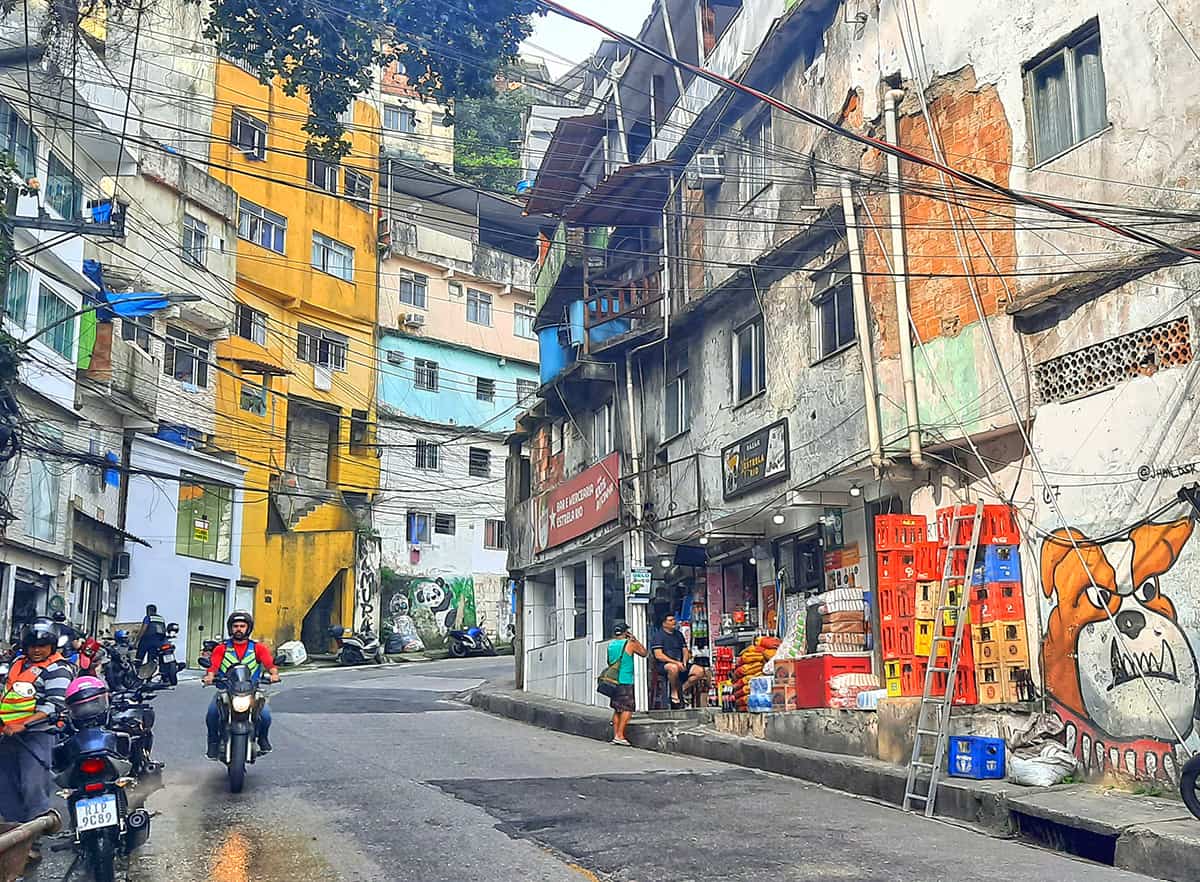
Inside Rio De Janeiro's Hidden Favelas
These communities, often misunderstood, are rich with culture, history, and resilience. Visiting a favela provides a deeper understanding of Rio's diverse society and challenges. For safety, always go with a reputable local guide, avoid carrying valuables, and stick to daytime visits. Our related guide on hidden dangers: which Rio de Janeiro neighborhoods should you steer clear of provides specific street-level advice.
San Francisco's Hidden Liquefaction Zones
San Francisco's liquefaction zones can turn solid ground into a quicksand-like state during earthquakes. These areas are scattered across the city. Liquefaction occurs when saturated soil loses strength during shaking—common in filled land along the bay and former marshlands. To identify these zones, check the USGS liquefaction hazard maps or the city's interactive hazard viewer before buying or renting property.
The New Madrid Seismic Zone
Located in the central United States, the New Madrid Seismic Zone sits far from tectonic plate boundaries, yet it has produced some of the most powerful quakes in North American history. In the early 1800s, a series of massive earthquakes shook the region, altering the landscape and even causing the Mississippi River to flow backward temporarily. If you're driving through Missouri, Tennessee, Arkansas, or Kentucky, know that a major quake here could disrupt roads and bridges for days. Keep a roadside emergency kit and a paper map in your car.
Texas
Border Patrol posts in Texas are strategically placed from the bustling city of El Paso to the remote stretches of the Rio Grande to monitor and manage border activity. If you're driving near the border, expect checkpoints up to 100 miles inland—have your ID ready and declare any agricultural items. For a broader view, see our guide to hidden dangers: Mexico city's risky neighborhoods you should know about, which covers urban safety across the border as well.