

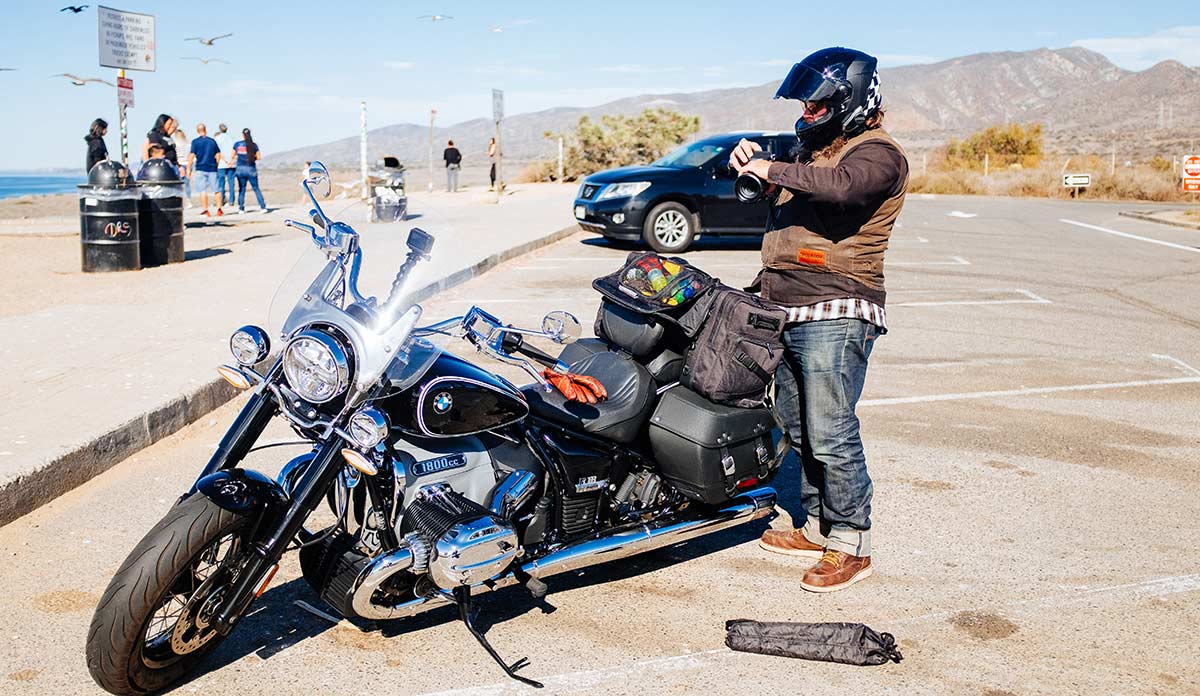
On a motorcycle trip, you can expect to cover between 200 and 500+ miles per day. However, your actual daily mileage depends most on your experience level, with beginner guides recommending 200–300 miles and experienced riders often planning 300–500+ miles. Factors like physical fitness, weather, terrain, and your motorcycle type also affect how far you can comfortably ride each day.
Factors to Consider Before Determining the Mileage
Before you can decide on the daily mileage for your motorcycle trip, it's important to take certain factors into consideration. These factors can greatly impact how many miles you can comfortably cover in a day. Here are some key factors to keep in mind:
- Rider Experience: Your level of experience as a rider plays a significant role in determining your daily mileage. If you're a seasoned rider with years of experience, you may be able to cover more miles comfortably—experienced riders often plan for 300–500+ miles per day. On the other hand, if you're relatively new to riding, it's important to take it easy and not overexert yourself; beginner guides recommend about 200–300 miles/day as a starting point.
- Physical Fitness: The physical demands of riding a motorcycle should not be underestimated. Long hours in the saddle can strain your body, especially if you're not used to it. Consider your physical fitness level and make sure to incorporate regular breaks and stretches into your riding schedule.
- Weather Conditions: Weather can have a significant impact on your daily mileage. Riding in unfavorable weather conditions, such as heavy rain or extreme heat, can be physically exhausting and affect your concentration. It's best to be flexible and adjust your mileage accordingly to ensure a safe and comfortable ride.
- Terrain: The type of terrain you'll encounter on your motorcycle trip can also affect your daily mileage. Riding on hilly or mountainous terrain may require more energy and time compared to riding on flat highways. Take into account the elevation changes and road conditions to estimate your daily mileage more accurately.
- Motorcycle Type: The type of motorcycle you're riding can impact your daily mileage as well. Sport bikes may allow for faster speeds and cover more miles, while adventure bikes or cruisers may provide a more relaxed and comfortable riding experience.
It's important to assess these factors honestly and realistically. Pushing yourself beyond your limits can result in fatigue, decreased enjoyment, and safety risks. Find the right balance that suits your capabilities and preferences.
Recommended Daily Mileage for Motorcycle Trips
While the ideal daily mileage for motorcycle trips varies from rider to rider, there are some general recommendations that can help guide your planning process. Here are a few guidelines to consider:
- 150-200 Miles: For beginner riders, covering around 150-200 miles per day is a good starting point, while intermediate riders may aim higher. This allows for shorter riding durations and ample time to rest, explore attractions, and take breaks.
- 200-300 Miles: Beginner to intermediate riders can comfortably aim for a daily mileage range of 200-300 miles. This range strikes a balance between enjoying the ride and having enough time to relax and soak in the sights along the way.
- 300+ Miles: Experienced riders or those on a time crunch may opt for higher daily mileages of 300 miles or more. However, it's crucial to listen to your body and not compromise safety and enjoyment for the sake of covering more ground.
Remember, these mileages are not set in stone and can fluctuate based on the factors mentioned earlier. Additionally, it's important to consider your personal preferences, the availability of accommodations, and the overall duration of your trip. Flexibility is key when it comes to planning your daily mileage.
Keep in mind that motorcycle trips are meant to be enjoyable and immersive experiences, so don't be too fixated on covering a specific number of miles each day. It's crucial to leave room for spontaneity and exploration along the way.
Now that we've covered the recommended daily mileages, let's explore the factors that can influence the ideal daily mileage for your motorcycle trip.
Factors Affecting the Ideal Daily Mileage
When determining the ideal daily mileage for your motorcycle trip, several factors come into play. These factors can influence the number of miles you can comfortably cover each day. Let's take a closer look at some of the key factors:
- Time Constraints: If you have a specific timeframe for your trip, it may impact the daily mileage you can achieve. Consider the number of days available and the overall distance you need to cover to balance your desire to explore with the need to reach your destination on time.
- Attractions and Points of Interest: Your trip itinerary may include stops at various attractions or points of interest. Spending time exploring these places will naturally reduce your daily mileage. Be sure to allocate enough time for sightseeing and make adjustments to your mileage accordingly.
- Accommodations: The availability and location of accommodations along your route can affect your daily mileage. If you have a specific destination in mind, you may need to adjust your daily mileage to ensure you reach a suitable place to stay for the night.
- Road Conditions: The condition of the roads you'll be traversing can impact your speed and overall progress. Construction zones, traffic congestion, or rough terrain can all affect your daily mileage. It's essential to be flexible and adjust your plans accordingly.
- Health and Well-being: Your physical and mental well-being are crucial for an enjoyable trip. Factors such as fatigue, illness, or discomfort can impact how many miles you can comfortably cover each day. Listen to your body and make adjustments to your mileage if needed.
By taking these factors into account, you can adjust your daily mileage to align with your goals and circumstances. Remember, it's important to find a balance that allows you to enjoy the journey and make the most of your motorcycle trip.
Tips for Planning Your Motorcycle Trip
Planning a motorcycle trip requires careful consideration and preparation to ensure a smooth and enjoyable experience. Here are some helpful tips to guide you in planning your next adventure:
- Research and Plan Your Route: Spend time researching and planning your route. Consider scenic roads, points of interest, and attractions along the way. Utilize online resources, maps, and motorcycle-specific routing apps to create a detailed itinerary. When deciding on daily mileage, match your pace to your skill level—beginner guides recommend about 200–300 miles per day, while intermediate riders often plan 300–400 miles.
- Check Weather Conditions: Keep an eye on the weather forecast for your planned route. Be prepared for any changes or adverse conditions. Adjust your daily mileage or route if necessary to ensure a safe and comfortable ride.
- Pack Wisely: Consider the essentials when packing for your trip. Pack lightweight, breathable clothing suitable for different weather conditions. Bring necessary tools, spare parts, and a first aid kit. Distribute the weight evenly on your motorcycle to maintain balance.
- Stay Hydrated and Take Breaks: Riding for long hours can be physically demanding. Stay hydrated by drinking plenty of water and take regular breaks to rest and stretch your muscles. It's crucial to maintain your physical well-being during the trip.
- Consider Your Riding Style: Take into account your personal riding preferences and style. If you enjoy twisty roads and scenic routes, plan your itinerary accordingly. If you prefer a more relaxed pace, allow for extra time to explore and take in the surroundings. For daily mileage, 150-200 miles is a good starting point for beginner riders, while intermediate riders may aim higher; 200-300 miles suits beginner to intermediate riders comfortably, and 300+ miles is typical for experienced riders or those on a time crunch.
- Book Accommodations in Advance: Especially during peak travel seasons, it's advisable to book accommodations in advance. This ensures you have a place to stay at the end of each day's ride and relieves the stress of finding a last-minute lodging option.
- Be Prepared for Emergencies: Carry a basic tool kit, tire repair kit, and an emergency contact list. Familiarize yourself with local emergency services and roadside assistance options. Inform someone about your trip plans and keep them updated on your progress.
Remember, the goal of your motorcycle trip is to have fun and create lasting memories. Embrace the freedom of the open road, stay safe, and be open to unexpected adventures along the way.
Conclusion
Planning a motorcycle trip involves careful consideration of various factors to determine the ideal daily mileage. By assessing factors like rider experience, physical fitness, weather conditions, terrain, and motorcycle type, you can plan a trip that strikes a balance between adventure and comfort.
While there are recommended daily mileages based on rider skill level, it's important to remember that these guidelines can be adjusted to suit your preferences and circumstances. Factors such as time constraints, attractions along the route, accommodations, road conditions, and your health can all influence the daily mileage you aim to cover.
When planning your motorcycle trip, conduct thorough research, plan your route, and be prepared for various weather conditions. Pack wisely, stay hydrated, and take breaks to ensure your physical well-being during the journey. Additionally, consider your riding style and book accommodations in advance to avoid last-minute stress.
Remember, motorcycle trips are meant to be enjoyed, and flexibility is key. Embrace the freedom of the open road, be open to unexpected adventures, and prioritize safety throughout your journey.
So, whether you're embarking on a short weekend getaway or a cross-country expedition, take the time to plan your daily mileage and create memories that will last a lifetime. Gear up, start your engines, and get ready to explore the world on two wheels!
Related travel guides: Day Trips, Road Trips, and City Breaks, How To Plan For A 3-Day Trip, and How Many Hours Should I Drive A Day On A Road Trip.
