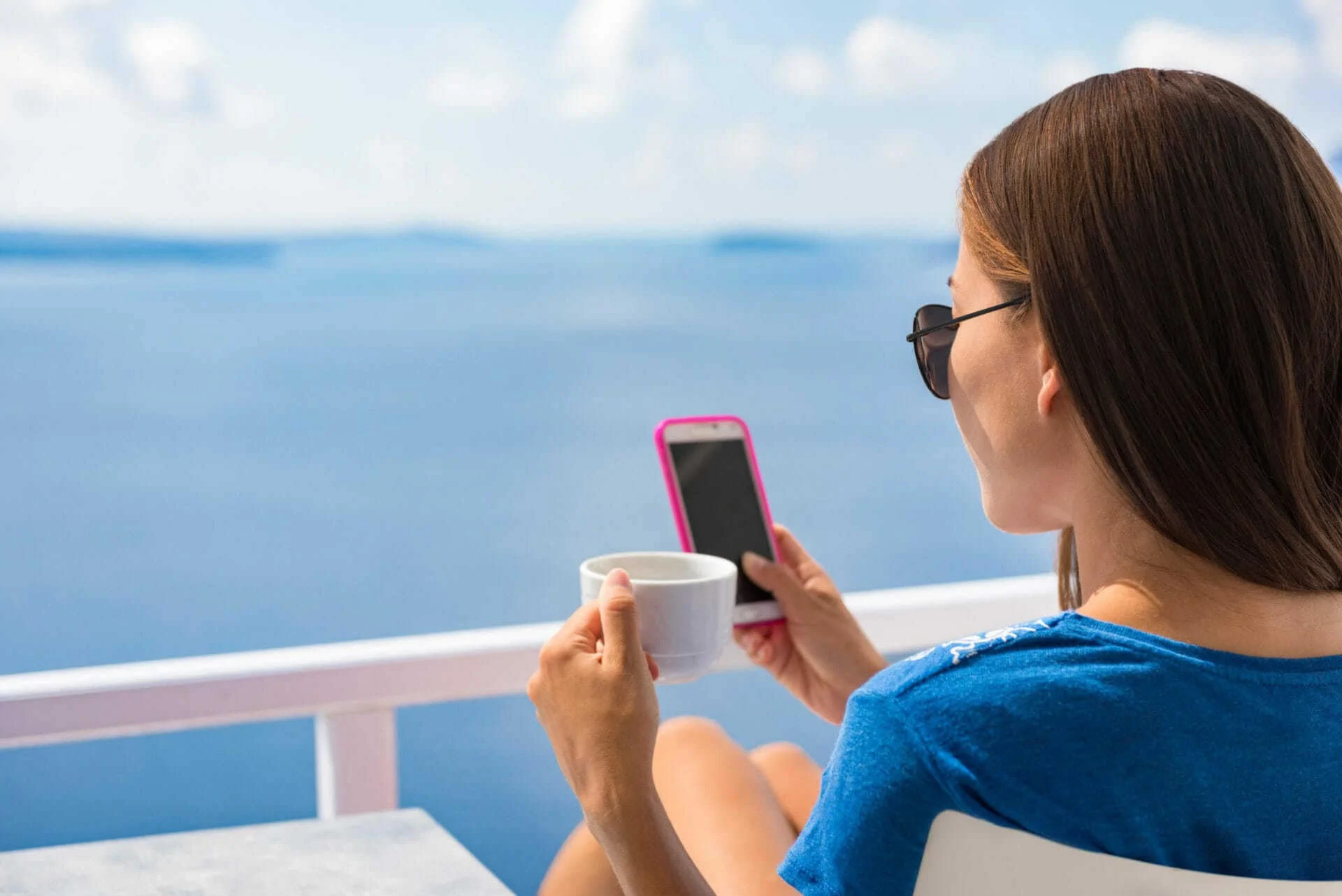
To avoid phone charges on a cruise, put your phone in airplane mode and rely on the ship's Wi-Fi for connectivity. The catch is that while airplane mode blocks cellular roaming fees, you still need to connect to the ship's Wi-Fi network to make calls or use data, and that Wi-Fi service may come with its own cost. Understand your phone plan before you sail, then activate airplane mode in your device settings to prevent unexpected roaming charges while at sea.
Understand Your Phone Plan
Before embarking on your cruise, it's crucial to understand the specifics of your phone plan. Contact your mobile service provider and inquire about international calling and data options. Familiarize yourself with the potential charges for roaming and data usage while traveling.
Some carriers offer international plans that provide discounted rates for calls, texting, and data usage abroad. These plans may be suitable if you plan on using your phone extensively during your cruise. However, they may come with additional fees or require a minimum subscription period, so be sure to discuss the details with your provider.
Alternatively, your current plan may already include international services at no extra cost. Check with your provider to determine if this is the case.
If you discover that your current phone plan does not offer favorable rates for international usage, consider exploring other options such as purchasing a temporary international plan or obtaining a local SIM card, as we will discuss later in this article.
It's important to note that while some cruise lines offer cellular connectivity at sea, the charges can be significantly higher than regular roaming rates. Be mindful of these additional costs and explore alternatives to prevent bill shock.
Taking the time to understand your phone plan and exploring your international calling and data options will empower you to make informed decisions and choose the most cost-effective method of staying connected during your cruise.
Utilize Airplane Mode
One of the simplest and most effective ways to avoid phone charges on a cruise is to utilize the airplane mode feature on your device. Activating airplane mode disconnects your phone from cellular networks, preventing any incoming or outgoing calls, texts, and data usage.
By enabling airplane mode, you can still use your phone's other features and applications that do not require an internet connection. This allows you to use your device for activities such as capturing photos and videos, playing games, listening to music, or accessing offline content.
While in airplane mode, your phone can still connect to Wi-Fi networks if they are available. This enables you to enjoy internet access without incurring expensive roaming charges.
To activate airplane mode, simply go to the settings menu on your device and toggle the airplane mode switch.
It's important to note that while airplane mode prevents your device from connecting to cellular networks, it will not impact the functionality of Wi-Fi. Therefore, you can still connect to onboard Wi-Fi networks or any other Wi-Fi hotspot available.
Utilizing airplane mode is an effective way to ensure that you have control over your phone's connectivity and prevent any unexpected charges while on a cruise. It offers peace of mind and allows you to stay connected through Wi-Fi without worrying about incurring expensive roaming fees.
Connect to Wi-Fi
One of the most cost-effective ways to stay connected on a cruise without incurring significant charges is by connecting to Wi-Fi networks. Many cruise ships offer onboard Wi-Fi services, allowing passengers to access the internet and stay connected with family and friends.
When you board the cruise ship, inquire about the availability of onboard Wi-Fi and any associated costs. Some cruise lines provide complimentary Wi-Fi in certain public areas or offer discounted packages for the duration of your trip.
Once connected to onboard Wi-Fi, you can use communication apps, browse the internet, check your emails, and even make voice and video calls through platforms like Skype, WhatsApp, or FaceTime. This allows you to stay in touch with your loved ones and share your cruise experiences in real-time.
Keep in mind that Wi-Fi signals on ships can vary in strength and availability depending on your location and the ship's infrastructure. It's advisable to be in close proximity to the Wi-Fi access points for a stable and reliable connection.
While connected to onboard Wi-Fi, be mindful of your data usage. Streaming videos, downloading large files, or excessively browsing social media platforms can consume a significant amount of data, potentially leading to additional charges or reduced connectivity speeds.
If you need to use the internet extensively during your cruise, consider purchasing a Wi-Fi package from the cruise line. These packages often offer unlimited or extended periods of internet access at a fixed fee, allowing you to stay connected without worrying about excessive costs.
Connecting to Wi-Fi is a convenient and cost-effective way to stay connected while on a cruise. It enables you to make use of various apps and internet services, keeping you connected with the world without straining your phone's data plan.
Use Messaging Apps
When it comes to staying connected on a cruise without incurring phone charges, utilizing messaging apps is a convenient and cost-effective solution. Messaging apps allow you to send text messages, make voice and video calls, and share media files over an internet connection, eliminating the need for traditional cellular networks.
Popular messaging apps such as WhatsApp, Facebook Messenger, and iMessage offer free messaging and calling services to other users of the same app. By connecting to onboard Wi-Fi or any other available internet connection, you can use these apps to stay in touch with your friends and family back home or communicate with fellow passengers.
Using messaging apps on a cruise has several advantages. It enables you to send and receive messages without incurring SMS charges or international calling fees. Whether sending a quick message or having a lengthy conversation, you can do so without worrying about the cost.
Messaging apps often have additional features such as group chats, voice and video calling, and media sharing capabilities. This allows more interactive and engaging conversations, making you feel connected even when far away.
Both parties need to have the same messaging app installed for compatibility. Ensure your loved ones back home use the same app so you can communicate seamlessly.
Also, familiarize yourself with the privacy and security settings of the messaging app you choose. Adjust the settings according to your preferences to ensure the privacy of your conversations.
Using messaging apps on a cruise is a cost-effective and efficient way to maintain communication with your loved ones. Take advantage of these apps to share experiences, coordinate plans, and stay connected without worrying about expensive phone charges.
Make Calls through Wi-Fi
Another effective way to avoid phone charges on a cruise is by making calls through Wi-Fi. Many smartphones offer Wi-Fi calling capabilities, allowing you to place and receive calls using an internet connection instead of relying on cellular networks.
Wi-Fi calling works similarly to traditional phone calls but uses the internet to transmit voice data instead. This means that as long as you have a stable Wi-Fi connection, you can make calls to any phone number, including landlines and mobile numbers, without incurring additional charges.
Enabling Wi-Fi calling on your device is usually a straightforward process. Most modern smartphones have this feature built-in, and you can activate it through the settings menu. Look for the Wi-Fi calling option in your device settings to enable it.
Once Wi-Fi calling is enabled, your phone will automatically route calls through the internet when connected to a Wi-Fi network. This allows you to use your device to make and receive calls just as you would normally, without worrying about roaming charges or international calling fees.
It's important to note that while Wi-Fi calling is a convenient and cost-effective solution, it does require a stable and reliable Wi-Fi connection. Make sure to be in an area with a strong Wi-Fi signal to ensure the best call quality.
Additionally, keep in mind that both parties involved in the call must have a Wi-Fi calling-enabled device and be connected to a Wi-Fi network. If the person you are calling is not using a Wi-Fi calling-enabled device, or if they are outside of a Wi-Fi network, regular cellular networks will be used, potentially incurring charges for the recipient of the call.
Utilizing Wi-Fi calling on a cruise allows you to stay connected with your contacts without worrying about expensive phone charges. Take advantage of this feature to make calls and continue communicating throughout your cruise.
Consider Temporary International Plans
If you anticipate extensive phone usage during your cruise, consider temporary international plans from your mobile service provider. These plans offer discounted rates for roaming and international calling and data for a specific duration.
Contact your provider to inquire about temporary international plans. They may have options tailored for cruise travel, offering more favorable rates than standard international plans. These plans typically include a set amount of minutes, texts, and data for roaming abroad.
This option suits regular and extensive phone use on your cruise, allowing you to stay connected without exorbitant charges.
Carefully review the plan’s cost, coverage, and limitations. Some plans have daily usage limits or data speed restrictions after a threshold. Understanding these details avoids surprises on your phone bill.
If you opt for a temporary international plan, activate it before your cruise and confirm activation with your provider. This ensures the plan is ready once you board the ship.
These plans are typically valid for a specific period. If your cruise extends beyond that duration, regular roaming rates may apply. Consider your itinerary and trip length to ensure the plan covers your entire voyage.
Temporary international plans provide a convenient option for staying connected on your cruise with discounted rates. Explore offerings from your provider to find the plan that best suits your needs and budget.
Purchase a Local SIM Card
Another option to consider for avoiding high phone charges on a cruise is to purchase a local SIM card at your port of call. A local SIM card allows you to have a local phone number and access to local cellular networks, often at more affordable rates than using your home SIM card.
When you arrive at a port, look for authorized retailers or mobile network providers that offer prepaid SIM cards for tourists. These SIM cards usually come with a set amount of calling minutes, texts, and data, valid for a specific duration.
Purchasing a local SIM card has several advantages. First and foremost, it can offer significant cost savings, especially for making local calls or using data services within the country you're visiting. You can avoid expensive international roaming charges by using a local SIM card.
Secondly, having a local SIM card allows you to stay connected with ease. You'll have a local phone number, making it convenient for receiving calls and texts from local contacts or making reservations and inquiries during your time ashore.
Before purchasing a local SIM card, it's important to ensure that your phone is unlocked and compatible with the local network's technology (such as GSM or CDMA). Most modern smartphones are compatible with multiple networks, but it's always wise to double-check to avoid any compatibility issues.
When using a local SIM card, keep in mind that your home SIM card will not be active. This means you won't receive calls or texts to your regular number unless they are forwarded to your temporary local number.
Additionally, if your cruise ship provides onboard Wi-Fi, you can still utilize it for internet access while using a local SIM card for calls and texts. This allows you to enjoy the best of both worlds - affordable local rates and the convenience of Wi-Fi connectivity on the ship.
Purchasing a local SIM card can be a cost-effective solution to stay connected during your cruise, particularly if you plan to spend a considerable amount of time ashore. Research the options available in each port of call to find the best local SIM card deal that suits your needs.
Use Ship's Communication Services
When it comes to staying connected on a cruise, one convenient option is to utilize the communication services provided by the cruise ship itself. Cruise lines understand the importance of connectivity and often offer various options to keep you in touch with the outside world.
Many cruise ships have internet cafes or designated areas where you can access computers to send emails, check social media, or browse the web. These services are typically available for a fee, either as a pay-per-minute or package-based access.
Additionally, some cruise ships offer phone services, allowing you to make calls from designated areas or from your cabin. These services may require purchasing phone cards or using a pre-paid system aboard the ship.
While using the ship's communication services may not be as cost-effective as other options such as Wi-Fi or local SIM cards, they do provide convenience and accessibility onboard. They may be particularly useful for making quick calls or sending urgent emails without the hassle of setting up other alternatives.
Keep in mind that using ship-provided communication services often incurs additional charges, and rates may vary depending on the cruise line. Inquire about pricing and available options to determine if this is a suitable choice for your needs.
Due to satellite-based connectivity on the water, internet speeds may not be as fast as what you're accustomed to on land. Managing your expectations and being patient with the connection speed is important when using these services.
Overall, the ship's communication services offer a convenient option for staying connected on your cruise, whether you need to make a quick call, send an email, or browse the internet.
Be Mindful of Data Usage
When it comes to avoiding excessive phone charges on a cruise, it's essential to be mindful of your data usage. Data usage can quickly add up, especially when using apps, streaming videos, or browsing the internet. By managing your data consumption, you can prevent unexpected charges and stay within your intended budget.
Here are some tips to help you be mindful of your data usage:
- Monitor your usage: Keep track of how much data you are using during your cruise. Most smartphones have built-in tools that allow you to monitor your data usage. Check these settings periodically to ensure you are aware of your consumption.
- Connect to Wi-Fi: Whenever possible, connect to onboard Wi-Fi or any available Wi-Fi networks at ports of call. Wi-Fi usage does not count towards your cellular data plan, and it allows you to enjoy internet services without incurring additional charges.
- Disable automatic app updates and background data: Many apps on your phone may use data in the background, even when you're not actively using them. Disable automatic app updates and background data for non-essential apps to minimize unnecessary data usage. You can adjust these settings in your phone's app or data usage settings.
- Limit media streaming: Streaming music, videos, or podcasts can consume a significant amount of data. Consider downloading media before your cruise or wait until you have access to Wi-Fi to enjoy your favorite entertainment without using your cellular data.
- Use data-saving modes: Some smartphones offer data-saving modes or low-data modes that help optimize your device's usage. Enable these settings to reduce data consumption, especially for apps and services that do not require high-quality media or images.
- Manage app settings: Review the settings of individual apps to see if there are any data-saving options available. Some apps have specific settings that allow you to minimize data usage, such as enabling "lite" modes for social media platforms or adjusting video quality settings in streaming apps.
- Limit cloud backups: Automatic backups to cloud services can consume a significant amount of data. Disable or limit the frequency of cloud backups during your cruise to minimize data usage.
By practicing these data-saving tips, you can ensure that you have control over your data consumption and prevent any unexpected charges. Being mindful of your data usage allows you to stay connected while on a cruise without breaking the bank.
Turn Off Automatic Updates and Background App Refresh
To further conserve data usage and avoid unnecessary phone charges on a cruise, it's important to turn off automatic updates and background app refresh on your device. These features can consume data in the background without your knowledge, leading to unexpected data usage and potential charges.
Automatic updates ensure your apps are always up to date, but they can require significant data usage, especially for larger apps or frequent updates. To disable automatic updates, follow these steps:
- iOS: Go to Settings > App Store > App Updates, and toggle off the "App Updates" option.
- Android: Open the Google Play Store app, tap on the menu icon, go to Settings > Auto-update apps, and select the "Don't auto-update apps" option. To turn off background app refresh, follow these steps:
- iOS: Go to Settings > General > Background App Refresh, and toggle off the "Background App Refresh" option. Alternatively, you can individually select which apps are allowed to refresh in the background.
- Android: Open the Settings app, go to Apps (or Application Manager), select the app you want to manage, and disable the "Allow background data usage" option. By disabling automatic app updates and background app refresh, you have greater control over when and how apps consume data on your device. This can significantly reduce your data usage on a cruise and help you avoid overage charges.
However, note that by disabling automatic updates, you may need to manually update your apps when you have access to Wi-Fi or a reliable internet connection. Set a reminder to periodically check for updates during your cruise to ensure your apps are secure and up to date.
With these settings adjusted, you can manage your data usage more effectively and prevent any unexpected charges while enjoying your cruise experience.
Disable Data Roaming
One of the crucial steps to avoid exorbitant phone charges on a cruise is to disable data roaming on your device. Data roaming allows your phone to connect to cellular networks outside of your home country, but it can come with hefty fees when used in international waters.
By disabling data roaming, you prevent your device from automatically connecting to the local cellular networks while on a cruise. This is essential because cruise ships often operate their own satellite-based communication systems, which can result in high roaming charges if your phone connects to them.
Disabling data roaming is relatively straightforward, and the steps may vary slightly depending on your device's operating system:
- iOS: Go to Settings > Cellular (or Mobile Data) > Cellular Data Options (or Mobile Data Options) > Data Roaming, and toggle off the "Data Roaming" option.
- Android: Open the Settings app, go to Network & Internet > Mobile Network > Data Roaming, and toggle off the "Data Roaming" option.
Once data roaming is disabled, your phone will only connect to available Wi-Fi networks for internet access. Remember to connect to onboard Wi-Fi or any other Wi-Fi networks at ports of call to stay connected without incurring additional charges.
It's important to note that disabling data roaming means that you will not have access to cellular data while on the cruise ship or in international waters. However, you can still make calls, send texts, and access the internet through Wi-Fi networks.
Before disabling data roaming, it's a good practice to confirm with your mobile service provider that it will not interfere with any necessary services, such as voicemail or text message delivery. Some providers may have specific requirements or settings to accommodate disabled data roaming while ensuring essential services remain functional.
By disabling data roaming on your device, you can have peace of mind knowing that you won't incur unnecessary charges while on a cruise. It's a simple precautionary measure that helps you stay connected without breaking the bank.
Conclusion
Staying connected while on a cruise is essential for many travelers, but it's important to avoid expensive phone charges that can quickly accumulate. By following the tips and strategies outlined in this article, you can navigate mobile connectivity on a cruise while keeping your expenses in check.
Understanding your phone plan and checking for international options or temporary plans can help you choose the most cost-effective solution for your needs. Utilizing airplane mode and connecting to Wi-Fi allow you to stay connected without incurring roaming charges, while messaging apps and Wi-Fi calling provide convenient and affordable ways to communicate with your loved ones.
If your phone plan doesn't offer favorable rates for international usage, consider purchasing a local SIM card at your ports of call to access local networks at affordable rates. Additionally, taking advantage of the ship's communication services can provide convenience while onboard.
Being mindful of data usage, disabling automatic updates and background app refresh, and turning off data roaming are essential steps to prevent excessive charges. By managing your data consumption and connectivity settings, you can enjoy your cruise without worrying about unexpected fees.
Related travel guides: How To Avoid Norovirus On Cruise Ships and What Are Things You Cannot Bring On A Cruise?.