

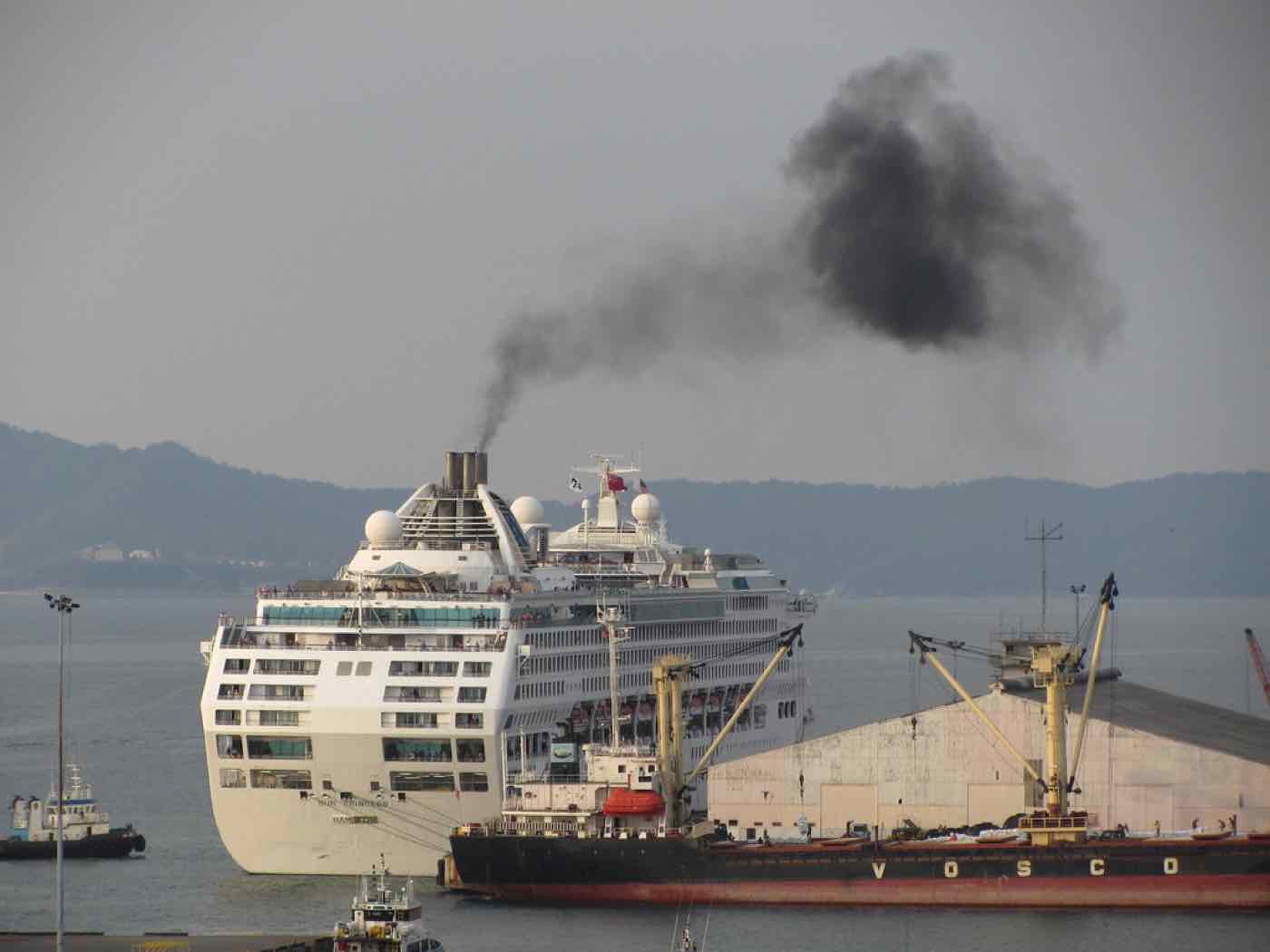
Cruise ships are very dirty, despite their glamorous image. The sheer size and constant passenger turnover make thorough sanitation a relentless challenge, even with rigorous cleaning procedures in place. Dedicated crews work around the clock disinfecting high-touch surfaces, scrubbing common areas, and sanitizing cabins, while food and beverage areas follow strict protocols to prevent illness. Yet, the continuous battle against germs on a floating city means that absolute cleanliness remains an uphill struggle.
Cruise Ship Cleaning Procedures
Cruise ship cleaning procedures are rigorous and comprehensive, with strict protocols to maintain a sanitary environment for passengers and crew. Dedicated cleaning crews, trained extensively on cleaning techniques, proper handling of cleaning products, and health and safety regulations, work throughout the ship to keep common areas, cabins, and facilities spotless.
Related travel guides: How To Avoid Norovirus On Cruise Ships and How Do Cell Phones Work On Cruise Ships.
Common areas such as lobbies, corridors, and lounges are cleaned multiple times daily. Staff disinfect surfaces, wipe down handrails, and vacuum carpets, with extra attention given to high-traffic zones and frequently touched surfaces like elevator buttons, door handles, and public restrooms to minimize germ spread.
Cabin cleanliness is a priority. After each guest disembarks, the cabin is thoroughly cleaned and sanitized: bed linens are changed, floors are vacuumed or mopped, surfaces are disinfected, and the bathroom is cleaned. Air filters and ventilation systems are regularly maintained to ensure clean, fresh air circulation.
Food and beverage areas follow stringent cleaning procedures to prevent foodborne illnesses. Utensils and dishes are washed in high-temperature dishwashers, surfaces are sanitized regularly, and fresh water is sourced and treated for safe consumption.
Cruise lines also operate comprehensive waste management systems, incorporating recycling and waste sorting to minimize environmental impact. Overall, these procedures prioritize hygiene, ensuring a safe and healthy environment for everyone on board.
Common Areas on Cruise Ships
Common areas on cruise ships—lobbies, lounges, theaters, casinos, and shopping boutiques—are high-traffic hubs that require constant upkeep. Dedicated cleaning staff work throughout the day to disinfect surfaces, sanitize seating, and maintain spotless floors, following daily schedules to keep these spaces guest-ready.
Public restrooms receive special attention, with cleaning crews disinfecting toilets, sinks, and counters multiple times daily. Soap dispensers and hand sanitizer stations are always stocked, reinforcing hand hygiene. Elevator interiors and buttons are wiped down regularly, as are handrails, escalators, and doorknobs—all high-touch surfaces.
Designated smoking areas are cleaned even more frequently to remove residue and keep the air fresh for smokers and non-smokers alike. This continuous cleaning effort ensures passengers can relax, socialize, and enjoy the amenities without worrying about hygiene. By prioritizing these routines, cruise lines uphold comfort and well-being from the first sea day to the last.
Cabin Cleanliness on Cruise Ships
Cruise lines prioritize a high standard of hygiene in cabins, ensuring a clean and comfortable living space throughout your voyage. Upon disembarkation, each cabin undergoes a detailed cleaning process: changing bed linens and towels, vacuuming or mopping floors, dusting surfaces, and disinfecting high-touch areas such as doorknobs, light switches, and remote controls.
Bathroom cleanliness is paramount. Housekeeping staff sanitize toilets, sinks, showers, and countertops, and provide fresh towels and toiletries for each new guest. Daily cabin service maintains this standard during the cruise—staff make beds, empty trash bins, tidy up, and restock amenities like toilet paper, tissues, and soap.
In response to the pandemic, cruise lines have added enhanced measures, including more frequent disinfection, electrostatic sprayers, and hospital-grade cleaning solutions. Cabin ventilation is also a focus: air filters and ventilation systems are regularly cleaned and maintained to circulate fresh air. Many ships offer individual air conditioning controls, letting you adjust the temperature to your comfort.
These extensive procedures create a welcoming, hygienic environment—so you can focus on relaxation. And if you’re ever unsure about what to expect, it’s worth checking how far is the cruise port from Fort Lauderdale before you book, as port logistics can affect your overall experience. Ultimately, spotless cabins and fresh air circulation are central to a comfortable, rejuvenating retreat at sea.
Food and Restaurant Cleanliness on Cruise Ships
Food and restaurant cleanliness on cruise ships is critical for passenger health and safety. Cruise lines follow strict protocols and guidelines to maintain high hygiene standards across all dining facilities.
Kitchens operate under stringent regulations and undergo regular inspections. They are equipped with state-of-the-art equipment, and culinary staff are highly trained to prepare and serve meals safely.
Food safety starts with sourcing. Cruise lines work with suppliers to ensure ingredients meet rigorous quality and safety standards, including monitoring temperature and storage conditions for perishables.
Once onboard, ingredients are stored in designated areas to prevent cross-contamination. Kitchens follow a "clean as you go" policy, where surfaces, utensils, and equipment are cleaned and sanitized during food preparation to reduce the risk of foodborne illnesses.
All restaurants, buffets, and dining areas are thoroughly cleaned and sanitized before and after each meal service. Tables, chairs, and floors are wiped down to ensure a hygienic environment for guests.
Dining options are plentiful, accommodating special dietary needs and food allergies. Cruise lines prioritize proper handling and labeling of allergens to prevent cross-contamination and ensure passenger well-being.
In response to the COVID-19 pandemic, cruise lines have added measures such as reducing self-service options, implementing social distancing, and enhancing cleaning procedures in food areas.
Overall, rigorous food safety protocols and a clean environment help cruise lines provide a safe, enjoyable dining experience for all guests.
Swimming Pools and Recreational Areas on Cruise Ships
Cruise lines maintain strict protocols for cleaning pools and recreational zones. Pool attendants monitor water quality and chemical levels regularly to keep swimming environments safe and hygienic. Deck surfaces are cleaned and sanitized daily to remove debris, spills, or potential hazards.
Sun loungers and seating areas around the pool are wiped down routinely, and towels are replaced as needed. Trash bins are emptied frequently to maintain tidiness. For sports courts, mini-golf courses, and jogging tracks, staff inspect equipment and game areas, sanitizing them on a regular basis to prevent accidents and injuries.
Guest behavior is also regulated. Passengers are asked to shower before entering the pool, avoid swimming if they feel unwell, and follow general etiquette to keep shared spaces pleasant. These rules apply across all recreational facilities, including those near the cruise terminal does Celebrity use in Fort Lauderdale or any other embarkation point.
Since the COVID-19 pandemic, additional measures have been introduced. Cruise lines may limit pool capacity, enforce social distancing in lounging areas, and increase the frequency of cleaning and sanitization cycles. These steps are in addition to pre-existing hygiene routines.
Overall, the focus remains on consistent upkeep—daily chemical testing, scheduled deep cleans, and staff oversight—so that passengers can use pools, hot tubs, sports courts, and other amenities without unnecessary health risks. While no system is foolproof, the combination of regular monitoring and clear passenger guidelines helps keep these areas functional and clean throughout the voyage.
Air Quality and Ventilation on Cruise Ships
Air quality and ventilation on cruise ships are central to maintaining a healthy, comfortable environment for passengers and crew. Cruise lines prioritize the circulation of clean, fresh air throughout the vessel to support overall well-being.
Ships use advanced ventilation systems that continuously supply fresh air to all areas, including cabins, dining venues, and common spaces. These systems filter and regulate the air, removing potential pollutants and ensuring a steady supply of clean air. The air filters are regularly cleaned and maintained to capture dust, allergens, and other airborne particles, improving overall air quality on board.
Beyond filtration, ventilation systems incorporate outdoor air intake to provide a continuous flow of fresh air. This helps dilute indoor pollutants and maintain a comfortable temperature throughout the ship. Efficient air circulation also manages odors and controls the spread of airborne contaminants, minimizing unpleasant smells and preserving a pleasant atmosphere for passengers.
Cruise lines enforce strict cleaning protocols for air ducts and vents to prevent the build-up of dust, mold, or other allergens. Regular inspections and maintenance keep the ventilation systems in optimal condition, promoting a healthy and clean environment for everyone on board.
The COVID-19 pandemic introduced additional measures to enhance air quality. Cruise lines have increased air circulation, stepped up cleaning of air filters, and adopted advanced air purification technologies to further safeguard passengers and crew. These steps build on existing practices, ensuring that ventilation systems remain effective even under heightened health scrutiny.
Overall, cruise lines invest in advanced ventilation, routine maintenance, and thorough cleaning procedures to deliver a comfortable, worry-free experience. The focus on air quality is a practical part of ship operations, not just a marketing point, and it directly contributes to the health of everyone on board.
Waste Management and Environmental Impact of Cruise Ships
Waste management is a core part of cruise ship operations, given the high volume of waste generated by thousands of passengers. Cruise lines run comprehensive systems to handle this, with a strong focus on separation and recycling programs designed to divert as much material as possible from landfills.
Across the ship, designated recycling bins accept paper, plastic, glass, and aluminum cans. Crew members actively educate passengers on correct disposal practices and encourage participation in recycling efforts.
Food waste is collected separately and processed through methods like composting or onboard treatment systems. Some cruise lines donate excess food to local communities at port stops.
Reducing overall waste is a growing priority. Lines are cutting down on single-use plastics by swapping straws and stirrers for eco-friendly alternatives and promoting refillable water bottles.
Operations are governed by strict international regulations aimed at preventing pollution. Advanced wastewater treatment systems ensure that any water discharged meets or exceeds environmental standards.
Cruise lines are also addressing their carbon footprint through cleaner technologies. Some ships now feature advanced propulsion systems and energy-saving features that cut fuel consumption and limit emissions.
Beyond waste, protecting the marine environment is a key focus. Lines follow guidelines and best practices in sensitive areas like coral reefs and marine sanctuaries, working with local authorities and environmental groups to reduce harm to fragile ecosystems.
In short, cruise lines are taking responsibility for their environmental impact by implementing robust waste systems, reducing plastics, and investing in cleaner tech—steps toward a more sustainable future for the industry.
Health and Hygiene Measures on Cruise Ships
Health and hygiene are top priorities on cruise ships, where large numbers of people gather in close proximity. Cruise lines have implemented strict measures and protocols to ensure the safety and well-being of passengers and crew members.
One key aspect is the emphasis on hand hygiene. Cruise lines provide hand sanitizing stations throughout the ship, particularly in high-traffic areas such as entrances, dining areas, and entertainment venues. Passengers are encouraged to regularly wash their hands with soap and water or use hand sanitizers to minimize the spread of germs.
Cruise lines also employ rigorous cleaning and sanitation procedures. Common areas, cabins, and high-touch surfaces are regularly cleaned and disinfected to maintain cleanliness and reduce the risk of infection. Enhanced cleaning protocols have been introduced in response to the COVID-19 pandemic, with increased frequency of cleaning and the use of hospital-grade disinfectants.
Health screenings are conducted for both passengers and crew members before embarkation. This may include temperature checks and health questionnaires to identify any potential illness symptoms. Those who exhibit symptoms or have been in close contact with someone with an infectious disease may be subject to additional screening or denied boarding.
In the event of a medical concern or illness on board, cruise ships have medical facilities and trained medical staff available to provide prompt and appropriate care. Medical personnel are equipped to handle a range of medical issues, from minor ailments to emergencies.
Education and communication play a crucial role in promoting health and hygiene. Cruise lines provide informational materials and announcements to remind passengers about proper hand hygiene, respiratory etiquette, and other preventive measures. They also conduct safety drills and provide information on vaccination requirements for certain destinations.
Additionally, cruise lines closely monitor global health alerts and work in partnership with public health authorities to ensure they are implementing the latest health and safety guidelines. They are committed to adapting their protocols and procedures as needed to safeguard the health of everyone on board.
Overall, cruise lines prioritize health and hygiene through hand hygiene, enhanced cleaning protocols, health screenings, and medical facilities. By implementing these measures, they aim to provide a safe and healthy experience for all on board.
Conclusion
Cruise ships are sophisticated floating resorts that prioritize cleanliness and hygiene to ensure passenger health and well-being. Through rigorous cleaning procedures, dedicated staff, and adherence to health and safety protocols, cruise lines maintain a high standard of cleanliness throughout the ship.
From common areas to cabins, cleaning procedures cover every aspect, ensuring surfaces are regularly sanitized and high-touch areas receive extra attention. Dining areas and food preparation facilities are a top priority, with strict protocols to prevent foodborne illnesses and accommodate special dietary needs.
Recreational areas, including swimming pools and sports courts, are cleaned and maintained regularly. Cruise lines also prioritize air quality and ventilation, incorporating advanced systems for clean, fresh air throughout the ship.
Waste management and environmental sustainability are key considerations, with recycling programs, reduced single-use plastics, and compliance with international regulations to minimize environmental impact.
Health and hygiene measures are comprehensive, including hand hygiene, health screenings, and medical facilities on board. Cruise lines are dedicated to promoting passenger well-being and preventing the spread of illnesses.
By investing in comprehensive cleaning procedures, waste management systems, and health and safety protocols, cruise ships strive to provide a safe, clean, and enjoyable experience. Whether you're a seasoned cruiser or considering your first voyage, you can trust that cruise ships prioritize your health, comfort, and satisfaction throughout your journey.
