

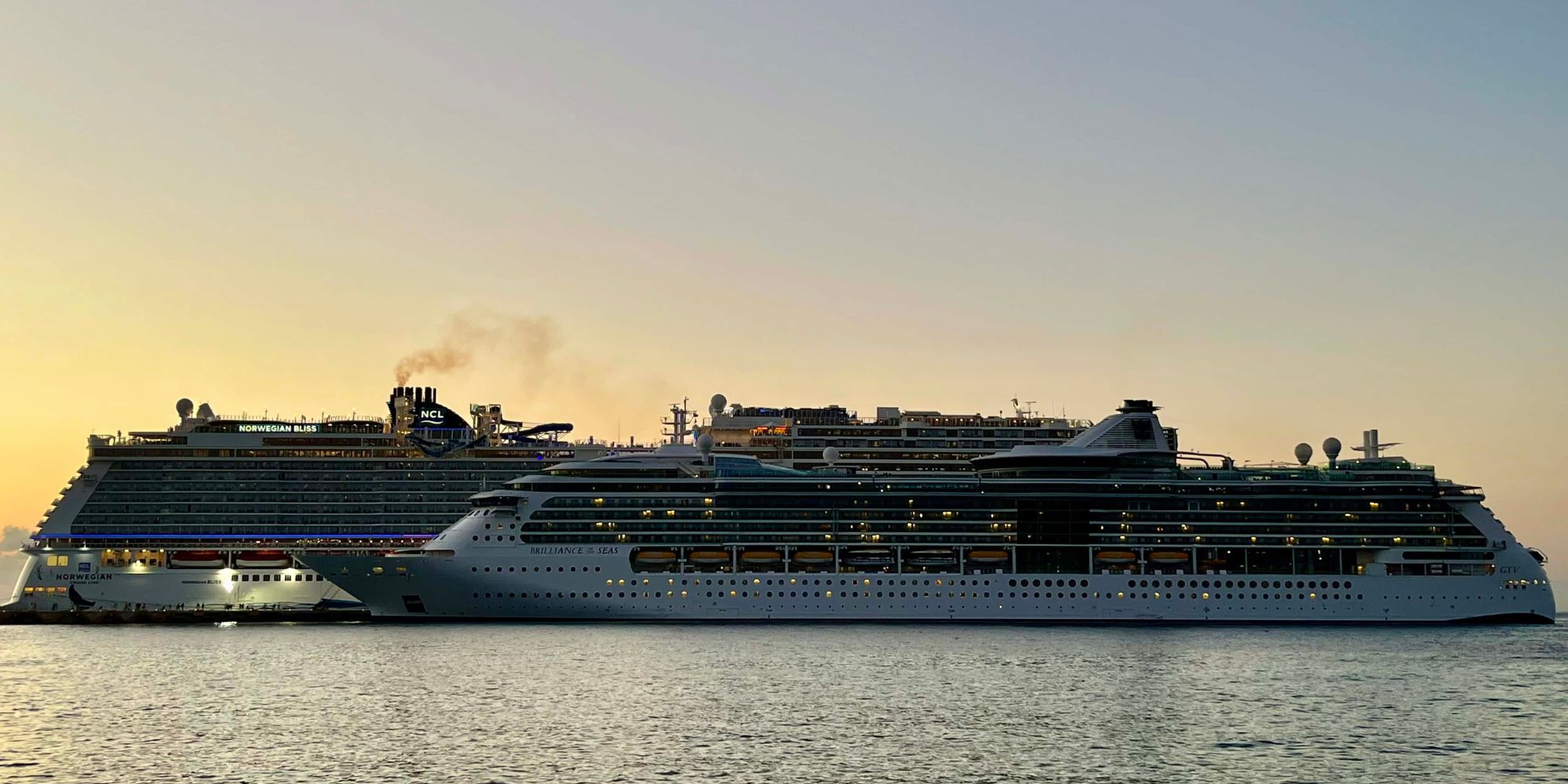
Between 2000 and 2023, hundreds of people have disappeared from cruise ships. However, these cases remain rare when compared to the tens of millions of passengers who sail safely each year, and the vastness of the ocean makes each disappearance uniquely difficult to investigate.
The Phenomenon of Disappearances from Cruise Ships
The occurrence of individuals going missing from cruise ships has puzzled people worldwide. While disappearances are relatively rare compared to the millions who safely embark on these voyages, they capture significant attention due to the unique circumstances and mysteries surrounding them.
One reason these cases gain widespread attention is the element of remoteness. When a person goes missing at sea, the vastness of the ocean and distance from land make search and rescue efforts challenging. Unlike missing person cases on land with local law enforcement and established infrastructure, maritime searches involve coordination between cruise lines, international maritime organizations, and search and rescue teams from different countries.
Another contributing factor is media coverage. The captivating and tragic nature of these incidents draws public interest, leading to headlines and news stories that generate ongoing discussion and speculation.
Some critics argue the cruise industry is partially responsible, claiming inadequate security measures, insufficient surveillance systems, and a lack of transparency in reporting incidents contribute to challenges in investigating and preventing such cases. However, many cruise lines have implemented comprehensive security measures and continually invest in passenger safety.
Disappearance cases are complex and multifaceted, involving the overlap of international jurisdictions, different legal systems, and varying levels of cooperation between cruise lines and law enforcement agencies. These factors can lead to delays and challenges in conducting thorough investigations.
While these disappearances are undoubtedly unsettling and tragic, they represent a small fraction of the millions who safely enjoy cruising each year. Nonetheless, exploring these incidents raises awareness, improves safety protocols, and provides support to affected families.
In the next sections, we will delve into historical and recent cases of disappearances from cruise ships, shedding light on investigation efforts and possible explanations behind them.
Historical Cases of Disappearances
The history of disappearances from cruise ships spans several decades, with several notable cases. While each case is unique, they all share the harrowing aspect of someone vanishing in the vastness of the open sea.
One of the most well-known historical cases is the disappearance of George Allen Smith IV in 2005. Smith, a newlywed on his honeymoon aboard a Mediterranean cruise ship, vanished under mysterious circumstances. His disappearance garnered significant media attention and highlighted the challenges involved in investigations carried out in international waters.
Another notorious case is the disappearance of Amy Lynn Bradley in 1998. Bradley, a young American woman vacationing with her family aboard a Caribbean cruise, went missing during the night. Despite extensive search efforts and ongoing investigations, her whereabouts remain unknown to this day.
In 1984, the case of Annette Mizener captured global attention. Mizener went overboard from a cruise ship while on a family vacation in the Caribbean. The incident sparked debates about safety precautions and led to increased awareness of the need for monitoring systems.
These historical cases have served as reminders of the complexities involved in investigating disappearances from cruise ships. The international nature of these incidents, jurisdictional challenges, and the vastness of the ocean have presented unique obstacles to finding answers and providing closure to the families of the missing individuals.
While historical cases have been widely publicized, they do not represent the norm for cruise ship travel. The cruise industry has implemented various safety measures and protocols, leading to millions of safe voyages each year. These cases have prompted important discussions and improved safety measures within the industry. For example, passengers wondering what drinks they can bring on a Royal Caribbean cruise will find clear policies that are part of broader safety protocols. Similarly, travelers who need to file a complaint with Norwegian cruise line can follow established procedures designed to address concerns efficiently.
As we explore recent cases of disappearances and the investigations carried out, it is important to approach these incidents with empathy and a commitment to uncovering the truth while respecting the privacy and dignity of those affected.
Recent Cases of Disappearances
While disappearances from cruise ships are relatively rare, recent cases continue to grip public attention. In 2011, crew member Rebecca Coriam vanished from a Disney cruise ship off the coast of Mexico. Despite extensive searches by local authorities and the cruise line, the details of her disappearance remain unknown.
In 2018, Tien Phuoc Nguyen, a 26-year-old Canadian man, disappeared from a Royal Caribbean cruise ship during a Caribbean trip. A thorough search by the ship's crew and local authorities found no trace of him.
That same year, German pop singer Daniel Kueblboeck was reported missing from a cruise ship in the Labrador Sea. Search and rescue efforts found no trace of Kueblboeck, leaving his fate unknown.
These cases highlight the challenges of investigating cruise ship disappearances. The international nature of these incidents, the vastness of the ocean, and jurisdictional complexities add layers of difficulty. If you need to file a complaint with Norwegian cruise line, the process can be similarly complicated by these factors.
The cruise industry takes these incidents seriously and collaborates with authorities, but limited resources and constraints imposed by international waters create significant obstacles. Understanding how far is the cruise port from Fort Lauderdale or other departure points is a simpler logistical question compared to the complexities of an open-ocean search.
Despite the difficulties, discussing these cases ensures the individuals are not forgotten and prompts ongoing efforts to improve safety protocols, enhance surveillance systems, and foster transparency within the industry. It is essential to approach these cases with empathy and respect for the privacy of the families affected.
Investigation and Search Efforts
Investigating disappearances from cruise ships requires coordination between cruise lines, authorities from different jurisdictions, and international maritime organizations. When a person is reported missing, the ship's crew initiates immediate search efforts within the ship, conducting a thorough search of the entire vessel including cabins, public areas, and technical spaces. Surveillance footage is reviewed to determine the last known whereabouts of the missing person.
If the initial on-board search is unsuccessful, the cruise line contacts the appropriate authorities, such as the Coast Guard or local law enforcement, depending on the ship's location. These authorities lead the search and investigation, often collaborating with other jurisdictions or countries involved. Search efforts face challenges including the vastness of the ocean, unpredictable weather conditions, and potential delays in reporting the incident. Coordinating with multiple countries' authorities further complicates the process.
Technology plays a crucial role in investigations. Maritime surveillance systems, including radar and satellite tracking, help identify the ship's possible route and focus search locations. Advanced imaging technology such as sonar systems and underwater robots can search the seabed for evidence or traces related to the disappearance. Each case is unique, and the level of investigative resources varies depending on jurisdiction, cooperation between parties, and the severity of the incident.
While investigations may not always yield definitive results, ongoing efforts advance safety measures within the cruise industry. Lessons learned lead to improved surveillance systems, stricter safety protocols, and further crew training to enhance awareness and response capabilities. For example, understanding how far is the cruise port from Fort can help authorities determine search radius parameters in coastal incidents.
Dedicated efforts of authorities and organizations involved in investigation and search operations are essential in addressing these difficult cases. Their commitment to uncovering the truth and providing closure to families remains the driving force behind these complex investigations.
Possible Explanations for Disappearances
When it comes to disappearances from cruise ships, a number of theories and explanations have been put forward. While the exact circumstances surrounding each case vary, here are possible explanations investigators and experts have considered:
Accidents and Maritime Hazards: One potential explanation is accidents or maritime hazards, including falling overboard due to rough seas, high winds, or slippery surfaces. The sudden and unexpected nature of the accident can make it difficult for witnesses or crew members to react in time to prevent the disappearance.
Intentional Acts: Unfortunately, intentional acts such as suicides or deliberate disappearances cannot be ruled out. Factors such as pre-existing mental health issues, personal crises, or unidentified motivations could lead individuals to go missing intentionally.
Alcohol and Substance Abuse: Alcohol consumption is often part of the cruise ship experience, and excessive drinking can impair judgment and coordination, potentially leading to accidents or poor decision-making that results in disappearances. Similarly, misuse of drugs or other substances on board could contribute to incidents of missing persons.
Unforeseen Circumstances: Disappearances could also stem from medical emergencies or accidents that occur within the confines of the ship. In some cases, individuals may be unable to alert others or seek immediate help, leading to a delayed response and a subsequent mystery surrounding their disappearance.
Criminal Activity: While rare, instances of criminal activity on cruise ships cannot be completely discounted. Acts such as kidnapping, human trafficking, or foul play can potentially lead to a disappearance. Cruise lines, in collaboration with law enforcement agencies, take steps to prevent these activities, but the unique environment of a cruise ship can present challenges in detection and prevention. If you need to file a complaint with Norwegian cruise line, that process is handled through their customer service department.
Each disappearance case is unique, and the exact cause may remain unknown despite extensive investigations. The vastness of the ocean, the complexities of international jurisdictions, and the limitations of forensic evidence in maritime environments can hinder a definitive explanation.
As technology and safety measures continue to advance, efforts are being made to address these possible explanations and mitigate risks. Improved surveillance systems, enhanced safety protocols, and increased awareness among both passengers and crew members are crucial steps toward preventing and reducing such incidents. Understanding these possible explanations highlights the importance of ongoing research, collaboration, and preventative measures to ensure the safety and security of all who embark on these voyages.
Safety Measures and Precautions
The cruise industry prioritizes the safety and well-being of passengers and crew members through comprehensive safety measures and protocols designed to mitigate risks associated with disappearances.
Enhanced Surveillance Systems: Cruise lines have invested in advanced surveillance technology, including video monitoring systems and access control measures, to enable timely responses to potential incidents or suspicious activities on board.
Mandatory Safety Drills: Every passenger must participate in mandatory safety drills before the ship sets sail. These drills familiarize passengers with emergency procedures, including the proper use of life jackets and the locations of lifeboat stations, ensuring awareness of safety protocols before any emergency arises.
Increased Safety Training: Crew members receive comprehensive safety training covering crowd management, first aid and medical assistance, and procedures for handling missing persons cases. This training enhances preparedness, promotes effective communication, and improves the overall safety culture on cruise ships.
Crew Accountability: Cruise lines enforce strict rules for crew members, including monitoring alcohol consumption and ensuring crew are not under the influence while on duty. Protocols ensure crew members understand their responsibilities and adhere to safety procedures to maintain a secure environment.
Improved Communication Systems: Cruise lines have established reliable communication systems, including onboard public address systems, emergency hotline numbers, and satellite communication devices, to facilitate efficient communication between passengers, crew members, and shore-side authorities during emergencies.
Passenger Responsibility: Passengers play a crucial role in their own safety. It is important for passengers to familiarize themselves with safety procedures, follow all instructions and guidelines provided by the cruise line, and report any suspicious activities or concerns to the appropriate authorities. Being responsible with alcohol consumption and practicing general personal safety precautions contributes to a safe cruise experience.
Collaboration with Authorities: Cruise lines work closely with local authorities, international maritime organizations, and law enforcement agencies to ensure swift response to incidents. This collaboration includes sharing information, coordinating search efforts, and conducting thorough investigations in cases of disappearances or other onboard incidents. For passengers needing to address specific concerns, it is possible to file a complaint with Norwegian cruise line through established procedures.
Continuous Evaluation and Improvement: The cruise industry is dedicated to continually evaluating and improving safety measures through regular inspections, safety audits, and adherence to international safety standards, ensuring ongoing enhancement of safety practices on board.
While these measures minimize risks associated with disappearances, no environment can guarantee absolute safety. However, the cruise industry's commitment to implementing and enforcing these protocols contributes to the overall security of passengers and crew members. By working together, cruise lines, authorities, and passengers can create an environment that promotes safety and reduces potential risks.
Conclusion
Disappearances from cruise ships are a captivating and often heartbreaking aspect of the industry. While rare compared to the millions who safely cruise each year, each disappearance resonates deeply with families and loved ones left behind.
We have examined historical and recent cases, the investigation and search efforts involved, and possible explanations for these occurrences. We have also highlighted safety measures and precautions implemented by cruise lines to enhance security and promote passenger well-being.
It is crucial to approach these discussions with empathy and respect, keeping in mind the profound impacts on affected families. Each case is a unique puzzle, with investigations facing challenges from international jurisdictional complexities, maritime environments, and the vastness of the ocean.
Ongoing efforts are being made to improve safety protocols and surveillance systems. Enhanced communication, comprehensive crew training, advanced technology, and collaboration with authorities are all integral components of these efforts.
It is essential for cruise lines, passengers, and authorities to work together and remain vigilant. The commitment to continuous evaluation and improvement ensures the industry remains proactive in addressing potential risks.
Ultimately, the goal is to ensure every passenger and crew member can enjoy their cruise experience with peace of mind. By staying informed, following safety procedures, and engaging in responsible behavior, we can contribute to a positive and secure cruising environment.
While disappearances may leave us with unanswered questions, these incidents represent a small fraction of the millions who embark on voyages each year. Cruise ships continue to be a popular choice for travelers seeking memorable vacations, and the industry's commitment to passenger safety remains paramount.
As we continue to discuss this phenomenon, let us honor the memories of those who have gone missing and support ongoing efforts to improve safety protocols. Together, we can strive for a future where every cruise is not only a memorable experience but also a safe and secure one.
Related travel guides: How Far Are Cruise Ships From Land.
