What Is The Role Of A TSA Travel Document Checker?
Introduction
Welcome to the world of travel! Whether you are a seasoned traveler or embarking on your first adventure, there are always tips and tricks that can enhance your journey and make it more enjoyable. From packing hacks to navigating airports, finding the best deals to experiencing local culture, this comprehensive guide will equip you with essential travel tips to help you make the most of your next trip.
There is something magical about exploring new places, immersing yourself in different cultures, and creating lifelong memories. However, traveling can be overwhelming and stressful without proper preparation. That’s where these travel tips come in handy. They cover a wide range of topics, providing you with insights and advice to tackle common travel challenges and enhance your overall experience.
Whether you’re planning a solo adventure, a family vacation, or a romantic getaway, these travel tips are designed to cater to every type of traveler. From budget-friendly hacks to luxury travel suggestions, you’ll find a wealth of information to suit your preferences and needs.
In addition to practical tips, this guide also delves into the cultural aspects of traveling. It offers advice on how to experience local customs and traditions authentically, ensuring respectful interactions with the communities you visit. By immersing yourself in the local culture, you can gain a deeper appreciation for your destination and forge meaningful connections.
Throughout this guide, you’ll also find insights on sustainable travel. As responsible travelers, it is crucial to minimize our impact on the environment and support local communities. These tips will help you travel in an eco-friendly manner, fostering a positive relationship with the places you visit.
Remember, the essence of travel is exploration and discovery. Whether you’re embarking on a quick weekend getaway or a months-long backpacking adventure, embrace the unknown and be open to new experiences. Utilize these travel tips as tools to enhance your journey, but always allow room for spontaneity and unexpected adventures.
So, without further ado, let’s dive into these travel tips and unlock the secrets to a memorable and fulfilling journey!
Role and Responsibilities
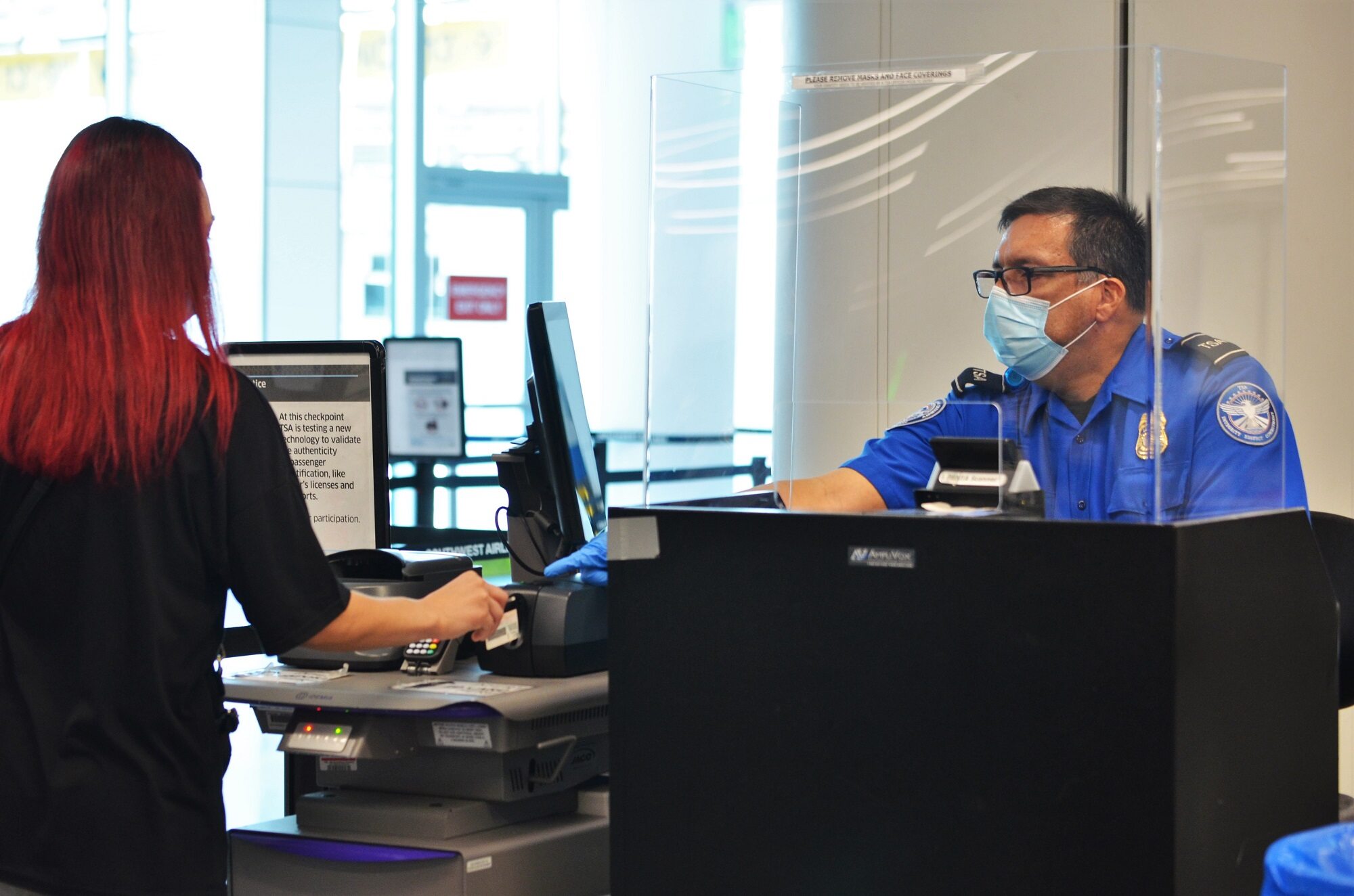
As a TSA Travel Document Checker, your role is vital in ensuring the safety and security of passengers traveling through airports. You are responsible for verifying travel documents, checking for security threats, assisting passengers, and collaborating with other TSA personnel.
One of your primary responsibilities is to verify the authenticity of travel documents presented by passengers, such as passports, driver’s licenses, and other forms of identification. This involves thorough examination of the documents to ensure they meet all necessary requirements and are not counterfeit. By doing so, you help prevent individuals with fraudulent or invalid documents from accessing secure areas of the airport.
Another crucial aspect of your role is to identify potential security threats. This includes carefully examining boarding passes, tickets, and other travel documents to check for any anomalies or discrepancies. Your attention to detail and ability to spot irregularities play a vital role in maintaining the safety and security of all passengers and airport personnel.
As a TSA Travel Document Checker, you are also responsible for providing assistance and guidance to passengers. This may involve answering questions about travel requirements, directing passengers to the correct lines or checkpoints, and assisting individuals who may require special attention or accommodations. Your friendly and helpful demeanor can greatly contribute to a positive travel experience for passengers.
Collaboration is an essential part of your job. You work closely with other TSA personnel, including Transportation Security Officers and Supervisors, to ensure a seamless and efficient screening process. Effective communication and teamwork help maintain the integrity of airport security protocols.
Being knowledgeable about the latest TSA procedures, policies, and security measures is crucial. You undergo comprehensive training to stay up to date with evolving security requirements, enabling you to perform your duties effectively. Your commitment to ongoing education and professional development is essential in maintaining the highest standards of airport security.
In summary, as a TSA Travel Document Checker, your role is multifaceted. You verify travel documents, identify security threats, assist passengers, and collaborate with other TSA personnel. Your attention to detail, professionalism, and commitment to ensuring the safety and security of all travelers are of utmost importance in the success of your role.
Verifying Travel Documents
One of the key responsibilities of a TSA Travel Document Checker is to verify the authenticity and validity of travel documents presented by passengers. This process is crucial in maintaining airport security and ensuring that only authorized individuals are granted access to restricted areas.
When verifying travel documents, you must pay close attention to several important details. Firstly, you need to ensure that the document is not counterfeit or altered in any way. This involves checking for signs of tampering, such as uneven edges, smudged ink, or discrepancies in font styles. Additionally, you should verify the presence of security features, such as holograms, watermarks, and special markings, which are unique to legitimate travel documents.
It’s important to compare the information on the travel document with the details provided by the passenger. This includes verifying the accuracy of the passenger’s name, date of birth, and passport number, among other essential information. Any discrepancies or inconsistencies should be thoroughly investigated to determine the authenticity of the document.
As a TSA Travel Document Checker, you must also be familiar with different types of travel documents from various countries. This knowledge allows you to recognize the valid formats and security features specific to each document. Familiarize yourself with common passports, driver’s licenses, and ID cards from different countries, as well as the latest security measures implemented by respective issuing authorities.
In addition to verifying the physical attributes of the travel document, you should also confirm that the document meets all necessary requirements for travel. This includes checking the expiration date to ensure that it is valid for the duration of the passenger’s journey. Depending on the destination, you may need to verify if the traveler possesses the required visas or permits.
It’s important to approach the verification process with professionalism and tact. Be respectful and courteous when interacting with passengers, making them feel comfortable while ensuring compliance with security protocols. If any doubts arise during the verification process, consult with your colleagues or a supervisor for further guidance.
By diligently verifying travel documents, you play a significant role in maintaining the integrity of airport security. Your attention to detail, knowledge of security features, and ability to identify counterfeit or altered documents contribute to ensuring the safety of passengers and the smooth operation of the overall travel experience.
Checking for Security Threats
As a TSA Travel Document Checker, ensuring the safety and security of passengers is of utmost importance. You play a critical role in identifying and mitigating potential security threats at airports. By carefully examining travel documents and boarding passes, you contribute to maintaining a secure environment for travelers and airport personnel.
One of your primary responsibilities is to check for any anomalies or discrepancies in travel documents. This may include unusual patterns, missing information, or inconsistencies in the passenger’s identification details. By diligently scrutinizing the documents, you help identify possible signs of fraudulent activity or security breaches.
In addition to examining travel documents, you must also review boarding passes and tickets for any irregularities. This involves checking the passenger’s name, flight details, and any special instructions or alerts that may be present. Any discrepancies or suspicious information should be verified and reported to the appropriate TSA personnel.
As part of your role, you may also need to identify individuals who may pose a potential security threat. This can involve observing passenger behavior, body language, or any suspicious activities. While you are not a law enforcement officer, your ability to recognize and report suspicious behaviors is crucial in maintaining airport security.
Throughout the security screening process, you must remain vigilant and be prepared to respond to any security threats that may arise. This includes remaining up to date with the latest TSA protocols and procedures, as well as any emerging security concerns or trends. By staying informed, you can effectively contribute to the prevention and detection of potential threats.
Working in coordination with other TSA personnel, including Transportation Security Officers and Supervisors, is vital in identifying and addressing security threats. Effective communication and collaboration ensure that any detected issues are promptly addressed and appropriate actions are taken to mitigate potential risks.
Remember, promoting a safe and secure travel environment requires a combination of thorough document verification, attentiveness to passengers’ behaviors, and effective collaboration with colleagues. Your dedication to identifying and addressing security threats helps safeguard the well-being of all passengers and serves as a deterrent to potential criminals or individuals with malicious intent.
Assisting Passengers
As a TSA Travel Document Checker, one of your important responsibilities is to assist passengers throughout their journey at the airport. Your friendly and helpful demeanor can greatly contribute to a positive travel experience for individuals passing through security checkpoints.
First and foremost, you are there to provide guidance and answer any questions passengers may have regarding travel requirements or airport procedures. This can range from clarifying the liquids and electronics restrictions to explaining the process for removing shoes or belts during the screening process. Your knowledge and expertise help ensure that passengers are aware of and compliant with security protocols, making their journey smoother and more efficient.
Additionally, you play a crucial role in directing passengers to the correct lines or checkpoints. This may involve guiding them to appropriate TSA PreCheck lanes, international travel lines, or providing assistance to individuals with special needs or disabilities. Your understanding of the airport layout and procedures enables you to navigate passengers through the security screening process with ease.
If a passenger requires special assistance or accommodations, such as those with medical conditions or disabilities, you are there to provide support. This may involve ensuring their comfort during the screening process or coordinating with other TSA personnel to facilitate a seamless experience. Your patience and empathy contribute to creating an inclusive and accessible environment for all travelers.
In instances where a passenger’s travel documents are incomplete or require further scrutiny, you act as a liaison between the traveler and the appropriate TSA personnel. By maintaining open lines of communication and clear explanations, you help alleviate any concerns or frustrations that passengers may have during this process.
During peak travel times or busy periods, it is essential to remain calm and composed, even in high-pressure situations. Your ability to multitask and manage passenger flow efficiently enables you to provide a seamless experience for travelers, reducing stress and congestion in the security area.
Ultimately, your role as a TSA Travel Document Checker is not solely about verifying documents, but also about creating a positive and welcoming atmosphere for passengers. By offering assistance, guidance, and support, you contribute to a stress-free and enjoyable travel experience, ensuring that passengers can start their journey on the right foot.
Collaborating with Other TSA Personnel
As a TSA Travel Document Checker, effective collaboration with other TSA personnel is essential in maintaining the security and efficiency of airport operations. Your role involves working closely with Transportation Security Officers (TSOs), Supervisors, and other team members to ensure a seamless and coordinated screening process.
One aspect of collaboration is effective communication. Clear and timely communication between team members is crucial in ensuring that everyone is aware of any changes in security procedures, emerging threats, or other important information. By sharing relevant updates and insights, you help create a unified and informed team that can respond effectively to different situations.
Collaboration also involves coordinating with TSOs during the screening process. When verifying travel documents, you may need to rely on TSOs to perform additional security checks or resolve any issues that arise. By maintaining open lines of communication and working together, you can ensure that the screening process is thorough, efficient, and seamless for passengers.
In situations where a potential security threat is identified, collaboration becomes even more critical. Quick and effective communication with your colleagues and supervisors allows for a coordinated response to mitigate the threat. By working together, you can follow established protocols and ensure that the necessary actions are taken to maintain the safety and security of all individuals at the airport.
Collaboration also extends beyond your immediate TSA team. In some instances, you may need to collaborate with other airport personnel, such as airline representatives or law enforcement agencies. This collaboration may be necessary when dealing with situations that require additional expertise or resources, such as handling suspicious items or responding to security breaches.
Additionally, teamwork and collaboration are crucial during periods of high passenger volume or unexpected events, such as flight delays or cancellations. By supporting and assisting your colleagues, you contribute to creating a smooth and efficient screening process, mitigating passenger frustration and maintaining the security standards of the airport.
To facilitate effective collaboration, it’s important to foster a positive working environment. Respectful and open communication, mutual support, and a willingness to listen and learn from your colleagues’ expertise all contribute to a cohesive team dynamic.
In summary, collaboration with other TSA personnel is vital in ensuring the success of your role as a Travel Document Checker. Effective communication, coordination during the screening process, and collaboration during security threats or challenging situations are all key components of maintaining a secure and efficient airport environment.
Training and Qualifications
To become a TSA Travel Document Checker, rigorous training and specific qualifications are required to ensure that you possess the necessary skills and knowledge to perform your role effectively.
Starting with the basic qualifications, candidates must be at least 18 years old and have U.S. citizenship or legal authorization to work in the United States. Additionally, a high school diploma or equivalent is typically required.
Once these qualifications are met, candidates undergo a comprehensive training program provided by the Transportation Security Administration (TSA). The training covers a range of topics, including document verification, security threat identification, passenger assistance, and collaboration with other TSA personnel.
During the training, you will become familiar with various types of travel documents, such as passports, driver’s licenses, and ID cards. You will learn the security features of these documents, as well as how to spot counterfeit or altered versions. Additionally, you will be trained on the proper procedure for verifying the information on the documents and ensuring their validity.
To identify potential security threats, you will receive instruction on observing passenger behavior, body language, and other indicators of suspicious activity. This training equips you with the skills to detect and report any security concerns effectively.
In addition to the technical aspects of the role, training also emphasizes the importance of customer service and passenger assistance. You will learn how to provide clear and concise information to passengers, assist individuals with special needs, and handle situations with professionalism and empathy.
Collaboration is a fundamental aspect of airport security, and you will receive training on working effectively as part of a team. This includes communication strategies, coordination during security incidents, and collaboration with other TSA personnel and airport staff.
The training program may also include practical, hands-on exercises and simulations to reinforce the learned concepts. These exercises provide an opportunity to apply the knowledge gained in a real-life airport environment, further enhancing your skills and confidence in performing the role.
Once the initial training is completed, ongoing education and development are crucial for maintaining the highest standards of airport security. TSA may require annual or periodic recertification training to ensure that you stay up to date with evolving security procedures, technologies, and threats.
Continued training may involve workshops, seminars, and online resources to enhance your knowledge and skills. Keeping pace with the latest advancements in travel document security and security threat detection is essential to fulfilling your role effectively.
By completing the rigorous training and staying current with ongoing education and development, you demonstrate your commitment to maintaining the safety and security of travelers and contribute to the success of the TSA’s mission.
Conclusion
Being a TSA Travel Document Checker is a vital role in ensuring the safety and security of passengers in airports. From verifying travel documents to checking for security threats and assisting passengers, your contributions play a significant part in maintaining the integrity of the travel process.
By diligently verifying travel documents, you prevent individuals with invalid or fraudulent documents from accessing secure areas of the airport. Your attention to detail and knowledge of security features are essential in authenticating travel documents and detecting any irregularities.
Furthermore, your role in checking for security threats helps identify and mitigate potential risks. By observing passenger behavior and being alert to any suspicious activities, you contribute to the overall security efforts in keeping airports safe for all travelers and staff.
Assisting passengers is another crucial aspect of your responsibility. By providing guidance, answering questions, and offering support, you contribute to creating a positive travel experience. Your professionalism, empathy, and ability to navigate passengers through security procedures help alleviate stress and ensure a smooth journey for travelers.
Collaborating with other TSA personnel is vital in maintaining a unified and effective security system. By communicating and working together, you contribute to a seamless screening process and a coordinated response to potential security incidents. The collaboration extends to collaborating with other airport staff or law enforcement agencies when necessary.
The training and qualifications you undergo equip you with the necessary skills and knowledge to perform your role effectively. Ongoing education and development further enhance your expertise and ensure that you stay current with the latest security procedures and technologies.
In conclusion, as a TSA Travel Document Checker, your role is crucial in maintaining the safety and security of travelers. Your attention to detail, vigilance, and dedication to assisting passengers contribute to a smooth and secure travel experience for everyone. By fulfilling your responsibilities with professionalism and a commitment to excellence, you make a significant impact in safeguarding the well-being of individuals within the airport environment.