

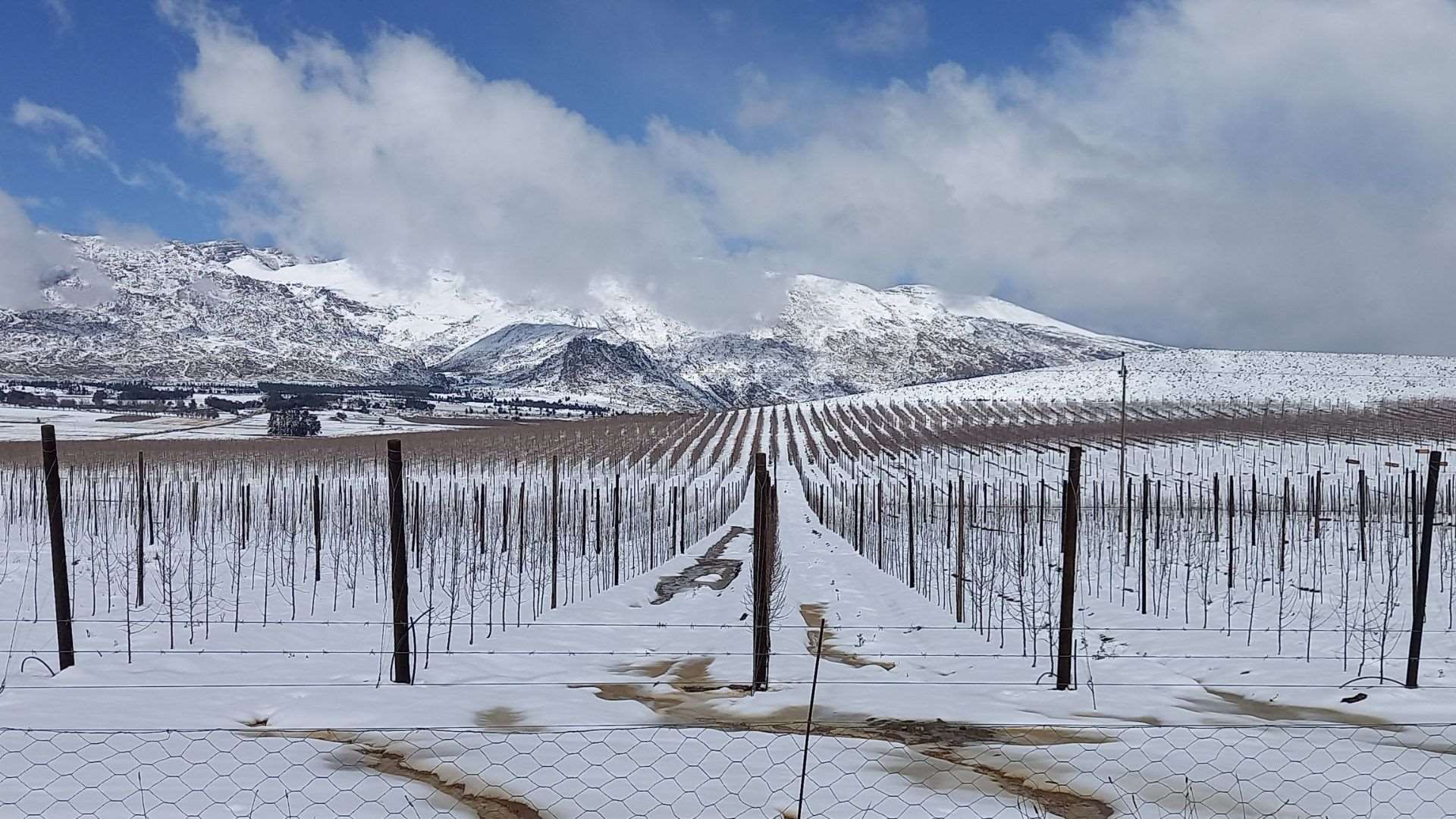
Visiting South Africa in winter is worth it, especially for safari-goers and travelers who prefer drier conditions and thinner crowds. However, the trade-off is that nights and higher-altitude regions like the Drakensberg Mountains can get genuinely cold, requiring warm layers. South Africa’s winter spans June to August, bringing mild coastal temperatures (10°C to 20°C) and cooler inland days, but with the major advantage of little to no rainfall in the north and safari areas—making game viewing and outdoor activities far more reliable than in the stormy summer months.
Climate in South Africa during Winter
When it comes to the climate in South Africa during winter, it's important to remember that the country is located in the Southern Hemisphere. This means that winter falls during the months of June, July, and August, providing a stark contrast to the summer months in the Northern Hemisphere.
While parts of South Africa may experience colder temperatures, especially in the higher-altitude regions such as the Drakensberg Mountains, overall, the climate remains relatively mild. Along the coastal areas, a Mediterranean climate prevails, which means winters are generally mild with average temperatures ranging from 10°C to 20°C (50°F to 68°F).
Inland regions, such as Johannesburg and the Kruger National Park, experience cooler temperatures with daytime averages ranging from 15°C to 25°C (59°F to 77°F). However, nights can be chilly, with temperatures dropping as low as freezing point in some areas.
One advantage of visiting South Africa during winter in many inland and safari regions is the lack of rainfall. Unlike the summer months, which can bring heavy showers and thunderstorms, winter tends to offer drier and more stable conditions in the north and safari areas. This makes it an ideal time for outdoor activities, wildlife spotting, and exploring the stunning landscapes that South Africa has to offer.
It's worth noting that the climate can vary from region to region within South Africa, so it's important to research and plan accordingly. If you're planning to visit multiple areas, be prepared for fluctuating temperatures and pack layers to accommodate the changing weather conditions. Winter welcomes the arrival of migratory birds from the northern hemisphere.
The diverse climate of South Africa during winter opens up a wide range of activities and experiences for visitors. Let's explore the pros and cons of visiting South Africa during this season.
Pros of Visiting South Africa in Winter
Visiting South Africa during winter offers several advantages that make it a compelling choice for travelers. Here are some of the pros of planning your trip during this season:
1. Milder temperatures: Compared to the scorching heat of summer, winter in South Africa brings cooler and more comfortable temperatures. This makes it ideal for outdoor activities such as hiking, safari drives, and exploring national parks without feeling overheated or fatigued. 2. Less crowded: South Africa is a popular tourist destination, and the summer months can see large crowds and busy attractions. Winter, on the other hand, tends to be less crowded, allowing you to enjoy a more intimate and peaceful experience. You'll have shorter queues, better availability of accommodations, and more exclusive access to popular attractions. 3. Discounted prices: Winter is considered the off-peak season in South Africa, which means you can often find great deals and discounts on flights, accommodations, and tour packages. Whether you're traveling on a budget or looking to make your travel budget stretch further, visiting during winter can offer significant savings. 4. Prime wildlife viewing: Winter is an excellent time for wildlife enthusiasts, as the vegetation is less dense, making it easier to spot animals in the wild. With the scarcity of water, animals tend to congregate around waterholes, providing excellent opportunities for observing them up close and personal. The Kruger National Park and other game reserves offer incredible sightings of the Big Five and other native species during this time. 5. Whale watching: The winter months offer a unique chance to witness the majestic southern right whales as they migrate along the South African coast. Places like Hermanus and Plettenberg Bay are renowned for their whale watching opportunities, providing a thrilling and awe-inspiring experience. 6. Festivals and events: Winter in South Africa is also a season of vibrant festivals and events. From the National Arts Festival in Grahamstown to the Hermanus Whale Festival, there are numerous cultural and outdoor events that showcase the rich heritage and natural beauty of the country. Participating in these events can add an extra layer of excitement and depth to your travel experience. 7. Scenic beauty: The winter season brings out a different kind of beauty in South Africa's landscapes. The lush greenery of the summer months gives way to golden hues, creating picturesque vistas. The crisp air and clear skies make for stunning views of iconic landmarks like Table Mountain and the Blyde River Canyon. 8. Bird watching: Winter welcomes the arrival of migratory birds from the northern hemisphere.
All these factors make visiting South Africa during winter an enticing option. However, it's important to consider the potential drawbacks as well. Let's explore the cons of visiting South Africa in winter.
Cons of Visiting South Africa in Winter
While there are numerous advantages to visiting South Africa in winter, it's essential to consider the potential drawbacks before planning your trip. Here are some cons to keep in mind:
1. It's important to pack appropriate clothing to stay warm, particularly during early mornings and evenings. 2. Shorter daylight hours: Winter in South Africa means shorter daylight hours compared to the summer months. This can impact the amount of time available for outdoor activities and sightseeing. It's crucial to plan your itinerary accordingly and prioritize the activities that are most important to you. 3. Limited beach activities: South Africa is known for its stunning coastline and beautiful beaches. However, during winter, the ocean waters can be colder, making swimming and water sports less appealing. While beachcombing and scenic walks are still enjoyable, if you're primarily seeking beach activities, it may be better to visit during the summer months. 4. Reduced wildlife activity: While winter offers fantastic opportunities for wildlife viewing, it's important to note that some animals may migrate during this season. Additionally, the cooler temperatures can make some animals less active during the day. However, the abundance of wildlife in South Africa ensures that there are still plenty of sightings to be had. 5. Limited availability of certain attractions: Some tourist attractions, especially those related to outdoor activities or seasonal festivals, may have limited availability or operate on reduced schedules during winter. It's advisable to check ahead and plan accordingly to avoid disappointment. 6. However, the Western Cape/Cape Town area is cool and rainy in winter, as it is the wet season there, with intermittent rain or cold fronts. It's important to pack appropriate rain gear and be flexible with your outdoor plans in case of inclement weather. 7. Varied climate across regions: South Africa is a large country with diverse landscapes and climates. While one region may have mild temperatures, another may experience colder conditions. It's essential to research the specific areas you plan to visit and pack accordingly to accommodate the varying climates.
Considering these cons will help you make an informed decision about whether visiting South Africa in winter aligns with your travel preferences and expectations. Despite these drawbacks, South Africa still offers a wealth of experiences and attractions that are well worth exploring during the winter months.
Winter Activities in South Africa
South Africa offers a diverse range of activities during the winter months. Whether you're an adventure seeker, a wildlife enthusiast, or a cultural explorer, there's something to suit every interest. Here are popular winter activities:
1. Safari adventures: Winter is an excellent time for wildlife enthusiasts to embark on exciting safari experiences. Game reserves such as the Kruger National Park, Madikwe Game Reserve, and Hluhluwe-iMfolozi Park offer incredible opportunities to spot Africa's iconic "Big Five" - lions, elephants, rhinos, leopards, and buffalos. The drier vegetation during winter makes it easier to spot wildlife, providing unforgettable encounters with nature. 2. Whale watching: The South African coastline becomes a prime location for whale watching during the winter months. Places like Hermanus, Plettenberg Bay, and De Hoop Nature Reserve offer exceptional opportunities to witness the breathtaking displays of southern right whales and humpback whales. It's a magical experience to see these majestic creatures breach and frolic in the ocean. 3. Exploring the Garden Route: The Garden Route, located along the southern coast of South Africa, is a scenic stretch of coastline famous for its breathtaking landscapes and diverse ecosystems. During winter, this route showcases its beauty with verdant forests, dramatic cliffs, and picturesque towns. Plan a road trip and visit charming towns like Knysna, Plettenberg Bay, and Mossel Bay while enjoying outdoor activities like hiking, bird watching, and canoeing. 4. Cultural experiences: South Africa is a melting pot of cultures, and winter provides an opportunity to immerse yourself in the rich history and traditions of the country. Explore the vibrant city of Cape Town, visit historical landmarks like Robben Island and District Six Museum, or discover the ancient rock art of the Cederberg region. You can also attend local festivals and events, such as the National Arts Festival in Grahamstown, for an authentic cultural experience. 5. Wine tasting in the Cape Winelands: The Cape Winelands region, including Stellenbosch, Franschhoek, and Paarl, offers a haven for wine lovers. Winter is an excellent time to visit, as the lush vineyards transform into beautiful hues of gold and copper. Enjoy wine tasting at world-class vineyards, indulge in gourmet cuisine, and soak in the cozy ambiance of wine estates with crackling fireplaces. 6. Adventure activities: South Africa is renowned for its adventure sports, and winter is a great time to get your adrenaline pumping. Try your hand at shark cage diving in Gansbaai, experience the thrill of bungee jumping from the Bloukrans Bridge, or enjoy hiking and mountain biking in the Drakensberg Mountains. The cooler temperatures make outdoor activities more enjoyable and provide stunning backdrops for your adventures.
These are just a few examples of the many winter activities available in South Africa. From wildlife encounters to cultural explorations, there's no shortage of experiences to create lasting memories. Plan your itinerary and embrace the unique opportunities that South Africa offers during the winter season.
Wildlife in South Africa during Winter
South Africa is renowned for its incredible wildlife, and visiting during the winter months offers unique opportunities to witness and engage with the country's diverse fauna. Here's a glimpse into the wildlife experiences you can expect during a South African winter:
- Big Five sightings: South Africa is home to the famous "Big Five" - lions, elephants, rhinos, leopards, and buffalos. During winter, the dry vegetation and scarcity of water sources make it easier to spot these iconic animals in their natural habitats. Game reserves like Kruger National Park, Sabi Sand Game Reserve, and Addo Elephant National Park provide excellent chances of encountering these majestic creatures up close.
- Migratory birds: Winter welcomes the arrival of migratory birds from the northern hemisphere. Birdwatchers can witness the extraordinary sight of colorful species such as European bee-eaters, yellow-billed kites, and Amur falcons as they make their way to South Africa to escape the harsh winters in their native lands.
- Marine life: South Africa's coastal regions also offer incredible marine wildlife encounters during the winter months. Along the Cape coast, you can spot seals, dolphins, and even whales. The southern right whales migrate to South Africa's shores during this time to calve and breed, providing a breathtaking display of their acrobatic behavior and vocalizations.
- Cultural wildlife conservation: South Africa has a strong focus on wildlife conservation, with numerous organizations dedicated to preserving endangered species. Winter provides an opportunity to engage in meaningful wildlife conservation activities, such as volunteering at wildlife rehabilitation centers or participating in research programs to support the conservation efforts of species like the African penguin or the cheetah.
- Nighttime game drives: With shorter daylight hours during winter, it's an ideal time to embark on nighttime game drives. Many game reserves offer guided night drives, allowing you to witness the nocturnal creatures in action. From elusive leopards and spotted hyenas to the mesmerizing eyes of bush babies and genets, a nighttime game drive can provide a whole new perspective on South Africa's wildlife.
- Unique animal behavior: During the winter months, some animals, like lions and leopards, become more active during the day due to the cooler temperatures. This offers a greater chance of witnessing their hunting behaviors and interactions. Additionally, many animals give birth during this time, providing unforgettable sightings of adorable baby animals taking their first steps in the wild.
South Africa's wildlife is a significant draw for visitors, and experiencing it during winter adds a layer of uniqueness and excitement. Whether you're a wildlife enthusiast or simply appreciate the wonders of nature, exploring the fauna of South Africa will leave you with unforgettable memories.
Festivals and Events in South Africa Winter
Winter in South Africa brings a variety of festivals and events that showcase the country's culture and traditions. Here are some festivals and events to enjoy:
- National Arts Festival: Held annually in Grahamstown, this is one of the largest arts festivals in Africa. Spanning over a week, it showcases theater, dance, music, visual arts, and film.
- Hermanus Whale Festival: Taking place in the coastal town of Hermanus, this festival celebrates the arrival of southern right whales. It offers opportunities to witness whales up close and enjoy live music, street parades, craft markets, and seafood.
- Franschhoek Bastille Festival: In the Cape Winelands, this two-day event commemorates Bastille Day with wine tastings, gourmet food stalls, live music, and a street parade.
- Namaqualand Daisy Season: Winter marks the time when the Namaqualand region bursts into wildflower displays. The landscape transforms into carpets of colorful blooms; take a drive through the region to see this natural display.
- Soweto Wine and Lifestyle Festival: Held in Soweto, this festival showcases South Africa's wine industry and the culture of the township. Visitors can sample wines from renowned wineries, enjoy local cuisine, and attend live music performances.
- Pretoria Jacaranda Festival: Known as the Jacaranda City, Pretoria’s streets are adorned with purple blossoms during this festival. Events include live music concerts, art exhibitions, food markets, and guided tours.
These are examples of festivals and events in South Africa during winter. Check specific dates and locations to plan your visit accordingly.
Safety Tips for Traveling to South Africa in Winter
While South Africa is a beautiful and captivating destination, like any other country, it's important to prioritize your safety while traveling, especially during the winter months. Here are some essential safety tips to consider for your trip to South Africa:
1. Research and plan: Before you depart, conduct thorough research about the areas you plan to visit. Familiarize yourself with local customs and traditions, and be aware of any potential safety concerns in those regions. Plan your itinerary accordingly and choose reputable accommodations and tour operators. 2. Stay updated on weather conditions: Keep track of weather forecasts and any potential storms or extreme weather conditions. South Africa can experience heavy rains and storms during winter in the Western Cape, which may affect travel plans. Stay informed and be prepared to adjust your itinerary if necessary. 3. Dress appropriately: South African winters can be chilly, particularly during morning and evening hours. Pack warm clothing, including jackets, sweaters, and scarves. Layering your clothing will help you adjust to varying temperatures throughout the day. 4. Protect against the sun: Even in winter, South Africa can have high levels of UV radiation. Apply sunscreen with a high SPF, wear a hat and sunglasses, and seek shade during the peak hours of the day. Protecting yourself from the sun will prevent sunburn and long-term skin damage. 5. Take precautions against crime: Like any other tourist destination, it's essential to be mindful of your surroundings and take precautions against theft and petty crime. Keep your valuables secure and avoid displaying signs of wealth. Be cautious when using public transportation or walking alone at night, and consider using reputable transportation services or arranging for airport transfers. 6. Follow safety guidelines in wildlife areas: If you're visiting national parks or game reserves, ensure you follow the guidelines provided by park officials and guides. Do not approach or feed wild animals, maintain a safe distance, and refrain from littering. Respect the wildlife and their natural habitat to ensure your safety and the preservation of these magnificent creatures. 7. Stay informed about health risks: Consult with a healthcare professional before traveling to South Africa to ensure you are up to date on recommended vaccinations and medications. It's also important to take precautions against mosquito-borne diseases, such as malaria, if you'll be visiting affected areas. 8. Use reliable transportation: When traveling between destinations, choose reputable transportation options. Use licensed taxis or arrange private transfers through trusted providers. Avoid picking up hitchhikers or accepting rides from strangers. 9. Share your itinerary: Inform a trusted friend or family member about your travel plans and itinerary. Provide them with copies of your travel documents and keep them updated on any changes to your plans. Regular communication can provide an added layer of safety and peace of mind. 10. Trust your instincts: Finally, trust your instincts and be aware of your surroundings. If something feels off or unsafe, remove yourself from the situation. It's always better to prioritize your safety and well-being above all else.
By following these safety tips and staying vigilant, you can ensure a safe and enjoyable journey through the wonders of South Africa during the winter season.
Conclusion
Visiting South Africa during the winter months can be a rewarding experience, from milder temperatures and fewer crowds to abundant wildlife sightings and vibrant festivals.
Winter offers a variety of activities: thrilling safari drives, whale watching along the coast, sampling wines, and experiencing festivals.
Potential cons such as cooler temperatures and shorter daylight hours can be mitigated with proper planning and packing.
Ultimately, the decision comes down to personal preferences—whether you embrace the winter wilderness, immerse yourself in cultural heritage, or take advantage of discounted prices and shorter queues. Winter in South Africa provides an intimate perspective of what this remarkable country has to offer.
Related travel guides: 15 Best Things To Do In Durban, South Africa.
