

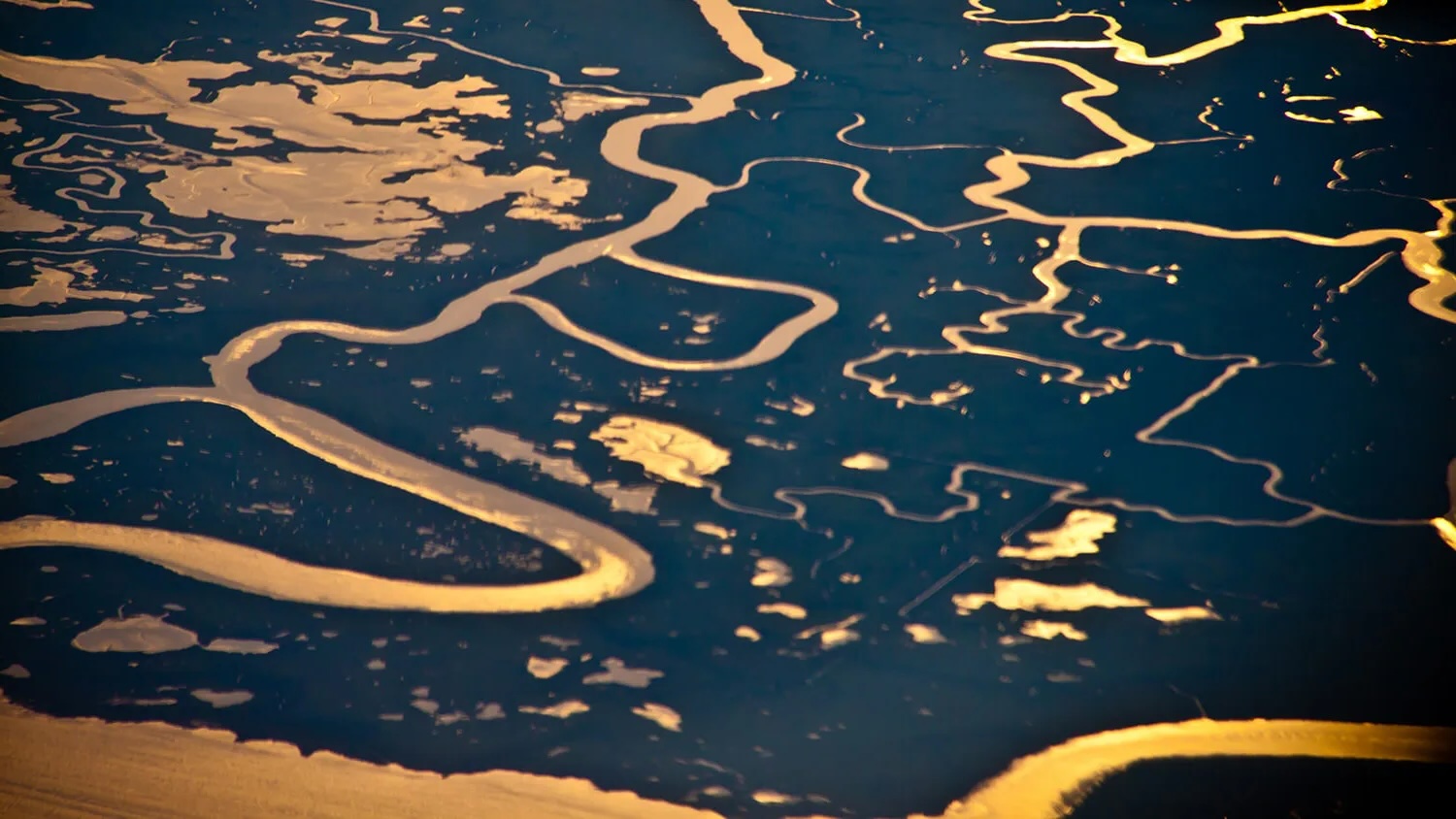
Jamestown (1607), St. Mary’s City (1634), and Annapolis (1649) are the oldest of Chesapeake Bay’s colonial settlements, each with distinct stories and surviving structures. These sites preserve original fortifications, working farms, and 18th-century taverns that reveal daily life from the first English arrivals through the Revolutionary War.
Historic Jamestown
Jamestown, the first permanent English settlement in America, was established in 1607.
- Jamestown Settlement: This living history museum features re-creations of the original fort, a Powhatan village, and the three ships that brought the settlers.
- Historic Jamestowne: Managed by the National Park Service, this site includes the original James Fort and an archaeological museum showcasing artifacts from the early 1600s.
Colonial Williamsburg
Colonial Williamsburg covers over 300 acres and includes restored buildings, reenactments, and interactive exhibits.
- Governor’s Palace: Once home to Virginia’s colonial governors, this grand building offers guided tours and insights into colonial governance.
- Bruton Parish Church: Established in 1674, this church remains an active place of worship and a historical landmark.
- Colonial Capitol: The reconstructed Capitol building where Virginia’s colonial government met offers a glimpse into early American politics.
St. Mary’s City
Maryland’s first colonial settlement, St. Mary’s City, was founded in 1634. Today, it serves as an outdoor museum and archaeological site.
- Historic St. Mary’s City: This museum includes re-creations of colonial buildings, a working farm, and the original town center.
- St. John’s Site Museum: An archaeological site and museum showcasing the remains of a 17th-century brick house and artifacts from the period.
Annapolis
Annapolis, Maryland’s capital, was founded in 1649.
- Maryland State House: The oldest state capitol still in continuous legislative use, this building played a crucial role in American history.
- William Paca House and Garden: The restored home of a signer of the Declaration of Independence, this site includes gardens and period furnishings.
- Hammond-Harwood House: An example of colonial architecture, this house offers guided tours and exhibits on 18th-century life.
Yorktown
Yorktown, famous for the decisive battle of the American Revolution, was established in 1691.
- Yorktown Battlefield: Part of the Colonial National Historical Park, this site includes the battlefield, siege lines, and historic buildings.
- American Revolution Museum at Yorktown: This museum features interactive exhibits, films, and outdoor living history areas.
Chestertown
Chestertown, founded in 1706, is a colonial town on Maryland’s Eastern Shore.
- Chestertown Historic District: Walking through this district, you’ll find preserved colonial homes and buildings.
- White Swan Tavern: This 18th-century inn offers a glimpse into colonial hospitality and has been meticulously restored.
Alexandria
Alexandria, Virginia, established in 1749, is known for its well-preserved 18th-century architecture and waterfront.
- Carlyle House: This Georgian mansion, built in 1753, offers guided tours and exhibits on colonial life.
- Gadsby’s Tavern Museum: A historic tavern and hotel where George Washington and other notable figures dined and stayed.
Chesapeake Bay’s Timeless Allure
Chesapeake Bay’s colonial settlements offer a rich tapestry of history. From the streets of Annapolis to the landscapes of St. Mary’s City, each location tells a unique story. The preserved architecture, museums, and reenactments showcase the resilience and ingenuity of its settlers. The blend of natural beauty and historical significance creates a captivating destination.
Related travel guides: The Secret Islands Of The Chesapeake Bay, Breathtaking Views On Chesapeake Bay Bridge, and Hidden DMV Slang Terms You’ve Likely Never Heard Of.
