

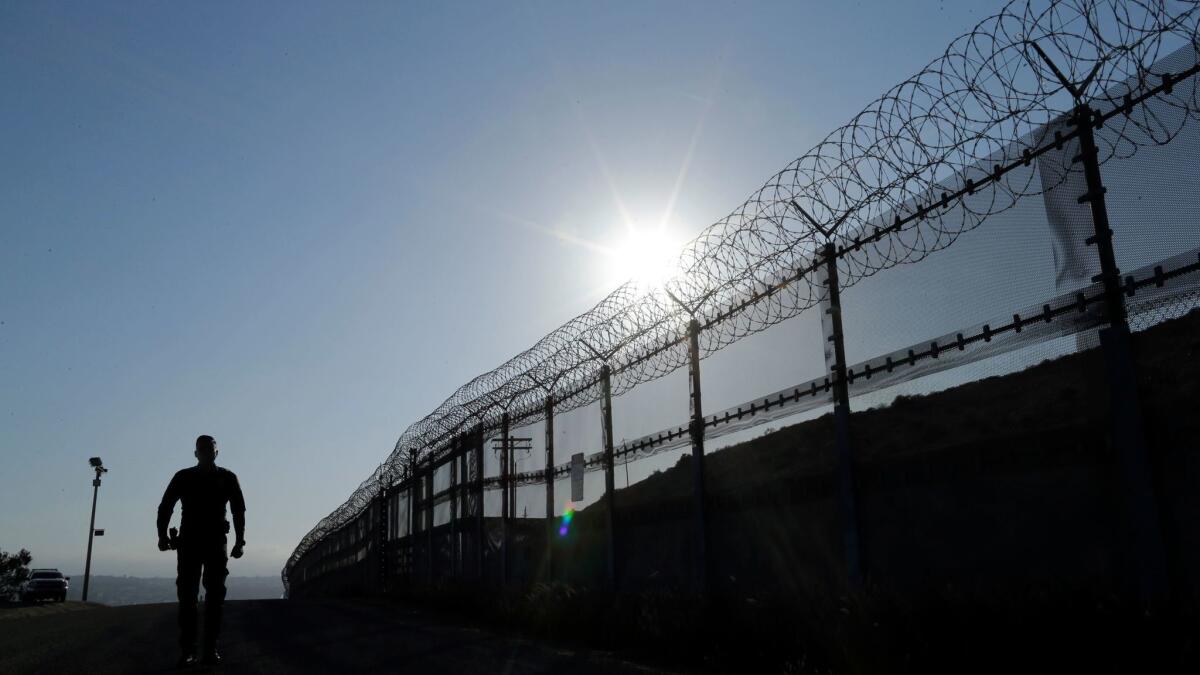
To not get detained at a port of entry, prepare your documents and cooperate with officials. But the single most important qualification is that you must understand the specific procedures and layout of the port you are using, as facilities and staffing vary. Customs and immigration officials are responsible for national security; they may ask questions, inspect documents, and search belongings. Approaching the port with the right mindset and following protocols ensures a smooth entry. This article covers tips to help you avoid detention, including how to identify a passport with a chip or properly scan a passport at automated kiosks.
Understanding the Port of Entry
A port of entry is the designated location where travelers enter a country, typically an airport, seaport, or land border crossing. Before your trip, research the specific port you will use, as facilities, staffing levels, and procedures vary. Knowing this in advance helps you anticipate the process and potential challenges.
Upon arrival, follow signs and personnel directing you to the appropriate areas. Deviating from the designated path or missing checkpoints can lead to delays or complications. The port of entry is a high-security area with measures including baggage scanning, passport checks, and interviews with customs or immigration officials. If you need to scan a passport for verification, follow the officer’s instructions. Remain calm and cooperative; uncooperative behavior can raise suspicion and lead to further scrutiny.
Understanding the layout and procedures lets you approach entry with confidence, making it more likely to go smoothly. For example, when identifying a passport with a chip, hold it correctly for the scanner to speed your passage.
Preparing Documentation
Having the correct documentation ready is critical for a smooth port of entry process. Ensure your passport is valid for at least six months beyond your planned stay and has enough empty pages for immigration stamps. If a visa is required, apply well in advance and understand the specific requirements for your destination.
Carry a copy of your travel itinerary, including flight details and hotel reservations. This supports the purpose and duration of your visit. You may also need to locate my reservation on Expedia or another booking platform to present confirmation. Proof of sufficient funds—such as bank statements, credit cards, or traveler's checks—demonstrates you can support yourself financially. Travel insurance covering medical expenses and emergencies is advisable; keep a copy accessible.
Additional documents may be required based on your purpose of visit, such as invitation letters, conference registrations, or employment letters. If you have a Trusted Traveler number, remember to add your known traveler number to an existing reservation for faster processing. Keep all documents organized and easily accessible throughout your journey, as you may need to present them multiple times. Having everything in order saves time and helps you present a prepared demeanor to immigration officials.
Dress and Appearance
Your dress and appearance can influence how customs and immigration officials perceive you at the port of entry. Presenting yourself in a respectful and professional manner helps create a positive first impression. Consider these tips:
- Dress Neatly: Choose clean, appropriate attire that reflects the purpose of your visit. Avoid clothing considered offensive or provocative in the local culture.
- Be Conservative: Opt for more conservative clothing choices. Avoid excessively casual or revealing outfits, as they may attract unnecessary scrutiny.
- Maintain Good Grooming: Ensure personal hygiene is in check. Neatly groomed hair, clean hands, and a well-maintained appearance contribute to a favorable impression.
- Remove Headwear: In many countries, it is customary to remove hats or head coverings when interacting with officials. Do so when going through passport control or during interviews.
- Minimize Accessories: Keep accessories like excessive jewelry or bulky belts to a minimum. These items may need to be removed during security screening, potentially causing delays.
- Show Respect: Dress modestly in religious or conservative countries to demonstrate respect for local culture and customs. This shows you are mindful of local norms and can create a positive impression.
When you approach the booth, the officer may need to scan a passport and verify your identity; a tidy appearance can make this interaction smoother. The goal is to present yourself in a way that is respectful, professional, and in line with local customs, helping minimize unnecessary scrutiny at the port of entry.
Answering Questions
When entering a foreign country, expect customs and immigration officials to ask questions verifying your purpose of visit, duration of stay, and entry requirements.
- Be Prepared: Know the purpose and duration of your trip, plus other relevant details, to give clear, concise answers.
- Be Honest: Provide truthful information. Lying can result in denied entry or legal action.
- Keep Responses Concise: Stick to relevant details. Avoid elaboration or tangents.
- Stay Calm and Confident: A calm demeanor reduces suspicion. Nervousness can appear suspicious.
- Speak Clearly and Politely: Speak audibly, use polite language, and maintain a respectful attitude.
- Ask for Clarification: If you don’t understand a question, politely ask the officer to repeat or clarify it rather than guess.
- Avoid Volunteering Unnecessary Information: Answer only what is asked. Extra details can complicate the process.
- Keep Documents Handy: Have your passport and supporting documents accessible in case the officer requests them. If you need to scan a passport for a digital copy, do so before reaching the counter.
Officials are doing their job to ensure security and legality. Answering honestly, concisely, and respectfully helps facilitate a smooth entry.
Cooperating with Officials
Cooperating with customs and immigration officials is crucial when entering a foreign country. It demonstrates your willingness to comply with necessary procedures and helps create a positive, efficient entry experience. Here are tips for effectively cooperating:
- Follow Instructions: Listen carefully to officials’ instructions and follow them without hesitation. This includes directives on where to stand, when to present documents, and how to proceed through entry.
- Be Respectful and Courteous: Use polite language, maintain eye contact, and refrain from arguing or displaying impatience. Officials perform duties to ensure the country’s safety and security.
- Provide Required Documents: Present your passport, visa, and other requested documents promptly and in an organized manner. Avoid fumbling or looking disoriented, which may raise suspicion.
- Be Patient: The entry process can involve waiting in queues. Exercise patience and remain calm; losing your temper or becoming agitated complicates matters.
- Answer Truthfully and Clearly: Respond to questions honestly and clearly. Vague or evasive answers may result in further scrutiny.
- Declare Goods and Currency: If carrying goods or currency exceeding allowed limits, declare them honestly and accurately. Non-declaration can lead to penalties or legal complications.
- Comply with Security Measures: Cooperate fully with baggage scans or body searches if required. These measures ensure the safety of all passengers.
- Stay Alert and Observant: Pay attention to announcements, signs, and signals. Stay aware of your surroundings and be prepared for additional instructions.
By cooperating, you help facilitate a smooth entry process, minimizing delays or complications. A cooperative and respectful attitude enhances the experience for yourself and the officials. When presenting documents, officials may need to scan a passport or identify a passport with a chip to verify your identity.
Declaring Items
When entering a foreign country, declaring items means informing customs officials about any goods or merchandise you are bringing in that may be subject to restrictions, duties, or taxes.
- Know the Rules: Familiarize yourself with the specific import rules for the country you're visiting. Limits and restrictions on items vary by country.
- Understand Duty-Free Allowances: Most countries allow you to bring certain goods without paying duties or taxes up to a set limit. Know these allowances to stay compliant.
- Declare All Relevant Items: Be honest and thorough. This includes purchases, gifts, souvenirs, and any valuable or regulated items.
- Keep Receipts and Documentation: Retain receipts, permits, or licenses for restricted items. These may be required during the declaration process.
- Use the Declaration Forms: Most countries provide forms to fill out upon arrival. Complete them accurately with all necessary details about your items.
- Declare Currency and Monetary Instruments: If carrying a significant amount of cash or monetary instruments, declare it to avoid legal complications. Some countries have specific reporting thresholds.
- Be Prepared for Inspection: Customs officials may inspect your luggage or ask detailed questions. Cooperate and provide requested information.
- Be Aware of Prohibited Items: Each country has a list of items that cannot be brought in under any circumstances. Check this list before traveling.
Declaring items honestly demonstrates compliance with customs regulations. Failure to declare or providing false information can result in penalties, confiscation of goods, or legal consequences. If you need to scan a passport for digital customs forms, ensure your device is ready before arrival. For travelers who frequently cross borders, it can help to add your known traveler number to an existing booking to speed up processing. Understanding and following these rules helps ensure a smooth entry experience.
Maintaining Calm and Composure
Entering a foreign port of entry can be nerve-wracking, but maintaining calm and composure helps you navigate unexpected challenges. Here are tips to stay composed:
- Prepare Mentally: Expect long queues, security checks, and repetitive questions. Anticipating these helps you remain calm.
- Breathe and Relax: Take deep breaths and consciously relax your body. Deep breathing alleviates anxiety and promotes calm.
- Practice Patience: The entry process can be time-consuming. Remind yourself to stay patient and wait your turn.
- Remain Positive: Focus on the exciting aspects of your journey. Delays are temporary.
- Avoid Arguments: Do not argue with officials or fellow travelers. Arguments escalate tension and may cause further delays.
- Engage in Relaxation Techniques: If anxious, try meditation, visualization, or calming music to reduce stress.
- Distract Yourself: Keep occupied with a book, music, or another enjoyable activity while waiting.
- Focus on the Big Picture: Remember the experiences awaiting you at your destination. This puts temporary inconveniences into perspective.
- Seek Support: If traveling with a companion, talk to them or ask for support. Sharing concerns alleviates stress.
If you need to access travel documents digitally, you may need to scan a passport using your phone or a hotel business center before arriving. For air travel, remember to add your known traveler number to an existing reservation to speed up security screening. Maintaining calm and composure during the port of entry process is essential for a positive entry experience. By staying calm, you can navigate challenges more efficiently and ensure a smoother start to your journey.
Understanding Your Rights
When entering a foreign country, knowing your rights helps you navigate the entry process with confidence. Here are key rights to keep in mind:
- Right to Non-Discrimination: You have the right to be treated fairly and without discrimination based on race, gender, religion, or nationality.
- Right to Privacy: You have the right to privacy during the entry process. Customs and immigration officials may conduct searches if they have reasonable suspicions.
- Right to Legal Representation: If you encounter legal issues during entry, you have the right to seek legal representation. Consult a lawyer to understand your rights and receive guidance.
- Right to Communication: You have the right to communicate in your preferred language, provided it is understood by officials. If you are not fluent in the local language, you can request an interpreter.
- Right to Know the Reason for Detention: If detained, you have the right to know why and for how long. In some cases, officials must provide a written explanation.
- Right to Know the Entry Requirements: You have the right to know the specific entry requirements of the country you are visiting, including visa requirements, travel restrictions, and necessary documentation.
- Right to Refuse to Answer Questions: While cooperation is important, you have the right to refuse questions that infringe on your privacy or could incriminate you. Refusal may have consequences, so seek legal advice.
- Right to Contact Your Embassy or Consulate: If you encounter difficulties, you have the right to contact your embassy or consulate for support. They can provide guidance and intervene if necessary.
It is essential to respect the laws and regulations of the country you are visiting. Infringement upon local laws can have serious consequences, so familiarize yourself with the rules before your trip. For example, when preparing documents, you may need to know the steps for identifying a passport with a chip to ensure your travel documents are compliant. Additionally, if you need to update your travel profile, you can add your known traveler number to an existing booking to expedite clearance.
Additional Tips and Considerations
- Research Local Customs and Etiquette: Familiarize yourself with local traditions to make a positive impression on officials.
- Carry Essential Items in Your Carry-On: Keep medication, important documents, valuables, and a change of clothes in your carry-on in case checked baggage is delayed or lost.
- Double-Check Visa Requirements: Confirm you have the correct visa type and that it is valid for your intended stay. Apply for any necessary extensions well before travel.
- Be Aware of Prohibited and Restricted Items: Research regulations on weapons, narcotics, food, and plant products. Avoid bringing these to prevent legal issues.
- Secure Digital Devices: Keep smartphones, laptops, and tablets password-protected. Back up important data and consider encrypting sensitive information.
- Be Mindful of Social Media Activity: Customs officials may review your profiles, so avoid posting content that could raise concerns or lead to additional questioning.
- Stay Informed About Travel Alerts: Check travel advisories from your home country or destination for security or health-related updates affecting your plans.
- Keep Emergency Contact Information: Carry a list of emergency numbers, including your country’s embassy or consulate.
- Follow COVID-19 Guidelines: Stay updated on local mask, social distancing, testing, and quarantine requirements.
Remember, each country has specific entry requirements. Research and prepare accordingly to ensure a smooth entry. By following these tips, you can minimize challenges and focus on enjoying your journey.
Conclusion
Entering a foreign port of entry can be intimidating, but preparation minimizes issues. Understand the port, prepare documentation, dress appropriately, answer questions truthfully, cooperate, declare items, maintain composure, and know your rights. Research your destination’s specific requirements and local customs. Keep essentials in your carry-on, stay informed about travel alerts, and comply with COVID-19 guidelines. To speed processing, ensure you can quickly identify a passport with a chip and know how to scan a passport if asked. Follow rules, be honest, and remain respectful. The port of entry is the gateway to your adventure; being well-prepared and cooperative starts your journey smoothly. Remember, this process is a small part of your trip—stay positive and savor every moment.
